


Drought more dangerous than Russian attacks: Ukraine exports power to neighbors
Translated from Polish, summarized and contextualized by DistantNews.
At a glance
News
Sources not specified
Context piece
- Ukraine is exporting electricity to neighboring countries, including Romania and Moldova, to help them manage power deficits caused by drought and the shutdown of a nuclear reactor.
- Romania is importing electricity from Ukraine to compensate for the closure of a unit at the Cernavodă nuclear power plant due to critically low water levels in the Danube River.
- Hungary's Paks nuclear power plant is also shut down because of low water levels, impacting energy supply and leading to voluntary power consumption reductions by businesses and households.
After four years of enduring Russian attacks, Ukraine has developed resilience against power deficits and is now supporting its neighbors who face challenges from a drying Danube River. On August 3, Romania's energy company Nuclearelectrica began purchasing electricity from Ukraine following the shutdown of Unit 1 at the Cernavodă nuclear power plant. These imports are facilitated by the Moldovan energy supplier Energocom.
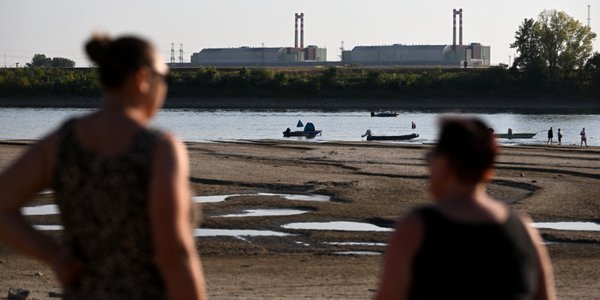
The region is experiencing a severe situation due to critically low water levels in the Danube, a consequence of intense drought and prolonged heatwaves. The imported electricity is intended to cover the deficit caused by the Cernavodă plant's closure and mitigate the impact on the Romanian energy market. In an effort to maintain operations at its sole active nuclear reactor, the Romanian army is preparing to conduct three controlled explosions using powerful charges to redirect water flow and raise the Danube's level for reactor cooling.
Imported electricity will be used to cover the deficit caused by the closure of Unit 1 of the Cernavodă nuclear power plant. This should also help mitigate the impact of the electricity shortage on the Romanian energy market.
Across Europe, the Danube's record-low water levels have disrupted transport, tourism, industry, and the energy sector. In Hungary, the Paks nuclear power plant, the country's only nuclear facility, has been taken offline due to insufficient water for cooling. Prime Minister Peter Magyar warned of five critical days ahead, with the Paks plant potentially remaining shut for weeks, coinciding with peak summer temperatures. Voluntary energy consumption reductions by households and over 300 companies have eased the strain on the national grid, but mandatory restrictions remain a possibility if needed.
The five most critical days are ahead of us. The Paks plant will be decommissioned, and the hottest days are approaching, with temperatures reaching 40 degrees Celsius. The power grid, our power plants, and we ourselves will be under enormous strain.
DistantNews Editorial
Originally published by Rzeczpospolita in Polish. Translated, summarized, and contextualized by our editorial team with added local perspective. Read our editorial standards.
More Stories


From Our Blog

What Gets Lost (and Found) When News Is Translated

The Critical Role of Diaspora Media in Global News

What Travellers Should Know About Countries with Restricted Press

A Digital Nomad's Guide to Following Local News

How the Same Story Looks Different in Different Countries
