

Russia's Economy Ruin is a Prerequisite for Peace in Ukraine
Translated from Romanian, summarized and contextualized by DistantNews.
TLDR
- Russia's economy faces stagflation, a combination of high inflation and economic stagnation, driven by increased defense spending and declining revenues, particularly from oil exports.
- Federal budget expenditures on defense and security have surged, while essential revenues, heavily reliant on oil, are under pressure, depleting significant financial reserves accumulated earlier.
- The growing budget deficit, exacerbated by war costs and indirect financing through monetary issuance, risks fueling inflation as the population attempts to protect their income through rapid consumption.
From Bucharest, Adevărul reports on the precarious state of the Russian economy, framing its ruination as a prerequisite for peace negotiations in Ukraine. The analysis, drawing from Zarkalo Nedeli, highlights the emergence of stagflation within Russia, a condition characterized by high inflation and economic stagnation, severely limiting the Kremlin's policy options and increasing short-term risks.
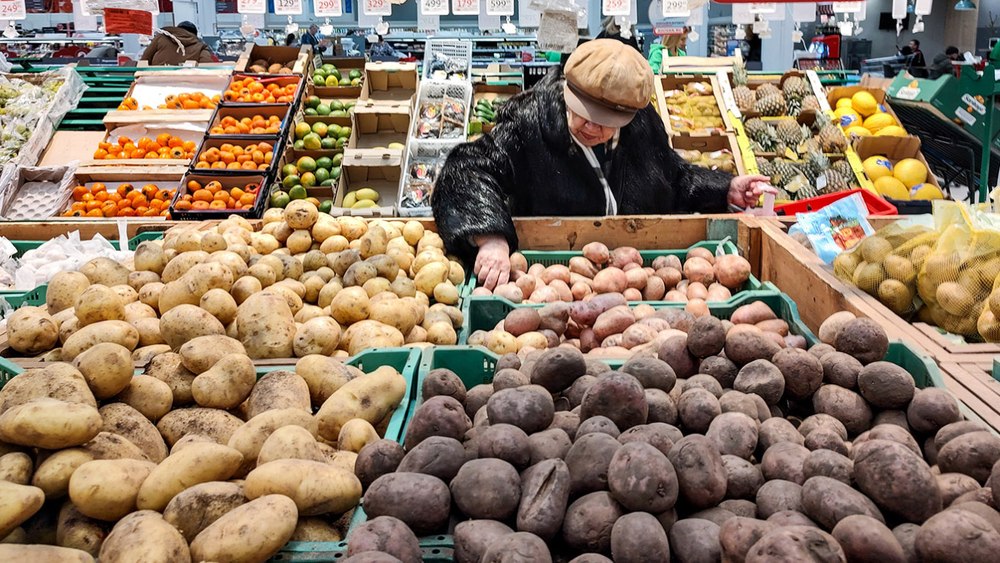
The article details how Russia's federal budget has seen a dramatic increase in defense and security spending, nearly quadrupling between 2021 and 2025. Concurrently, vital revenues, especially from oil and petroleum product exports—which constitute about 45% of foreign earnings—are facing significant pressure. This over-reliance on energy exports makes the Russian economy particularly vulnerable to external shocks. The substantial financial reserves, including the National Welfare Fund, have diminished considerably due to these escalating military expenditures, which now exceed 9% of the GDP.
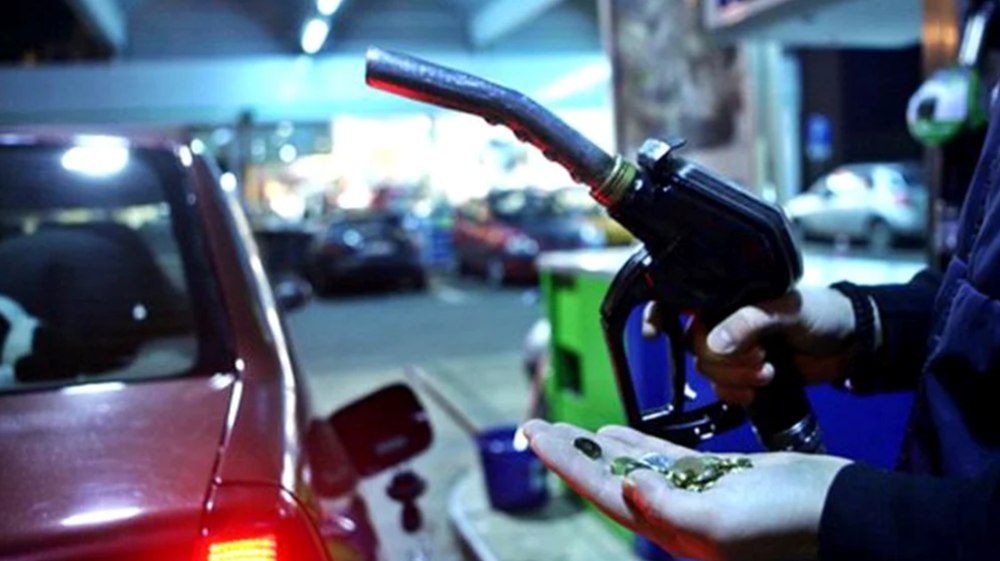
Official data suggests an economic contraction, while alternative estimates point to even higher real inflation. The combination of these factors presents a classic stagflationary scenario, where measures to curb inflation can stifle economic growth, and vice versa. The war's financial burden is compounded by recruitment incentives, leading to a ballooning budget deficit, which reached approximately 8.3 trillion rubles in 2025, or 17% of expenditures. As financial reserves dwindle, Moscow increasingly resorts to indirect financing, including monetary issuance, a move that risks further inflation, especially as the population tries to preserve their income through accelerated consumption.
While recent Middle Eastern crises and disruptions in the Strait of Hormuz have temporarily boosted oil prices, potentially offering Russia some relief, the article implies this is a fleeting advantage. The underlying economic structure remains fragile, and the sustained pressure from the conflict in Ukraine continues to erode Russia's economic stability. From a Romanian perspective, this economic vulnerability is not just a domestic issue for Russia but a crucial factor in the broader geopolitical landscape, potentially creating leverage for achieving peace in Ukraine.
DistantNews Editorial
Originally published by Adevărul in Romanian. Translated, summarized, and contextualized by our editorial team with added local perspective. Read our editorial standards.
More Stories

From Our Blog

What Gets Lost (and Found) When News Is Translated

The Critical Role of Diaspora Media in Global News

What Travellers Should Know About Countries with Restricted Press

A Digital Nomad's Guide to Following Local News

How the Same Story Looks Different in Different Countries
