


Russia Says Peace with Ukraine is a 'Very Long Road,' Blames US Haste
Translated from Romanian, summarized and contextualized by DistantNews.
TLDR
- The Kremlin stated that the United States is rushing to achieve a peace agreement to end the war in Ukraine, but a resolution remains a distant prospect due to complex issues.
- Russia and Ukraine agreed to a three-day U.S.-mediated ceasefire from May 9-11, with hopes for extension, though negotiations are currently suspended.
- Russian President Vladimir Putin asserted that Russian forces are advancing in Ukraine despite NATO support for Kyiv, during a Victory Day parade speech.
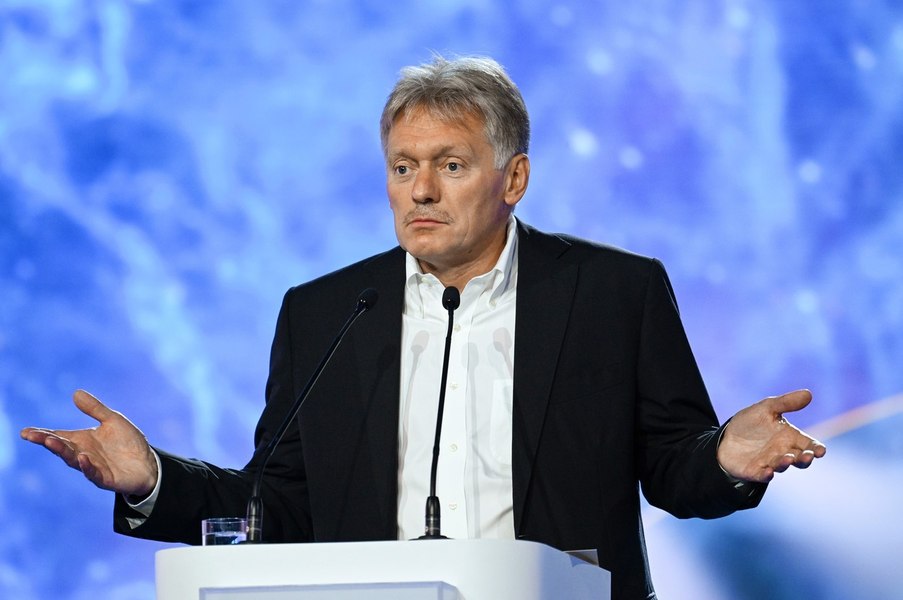
The Kremlin's assertion that the United States is prematurely pushing for a peace deal in Ukraine highlights a fundamental divergence in perspectives on the conflict's resolution. Moscow, through spokesperson Dmitri Peskov, suggests that while a ceasefire has been brokered for the Victory Day period, the underlying complexities of the Ukrainian issue mean that a comprehensive peace agreement is still a "very long road" away. This stance implies that Russia views the current U.S. efforts as perhaps overly optimistic or even naive, given the deep-seated nature of the dispute.
Este de înţeles că partea americană se grăbeşte. Dar problema unei înţelegeri ucrainene este mult prea complexă, iar ajungerea la un acord de pace este un drum foarte lung, cu detalii complexe.
The agreement for a three-day ceasefire, from May 9th to 11th, mediated by the U.S., represents a fragile step, with President Trump expressing hope for its extension. However, the Kremlin's cautious tone, emphasizing that negotiations remain suspended and their resumption is uncertain, underscores the tentative nature of these developments. This contrasts with the American desire for a swift conclusion, framing the U.S. as eager to resolve a conflict that has significant global implications.
Aş vrea să văd o prelungire semnificativă.
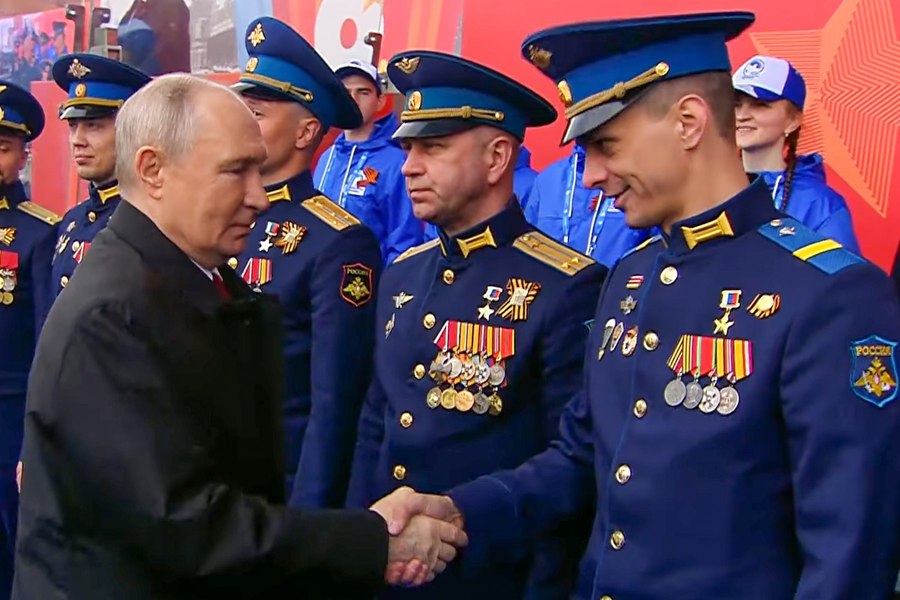
Adding to the narrative, President Putin's address during the Victory Day parade reinforced Russia's narrative of the conflict. He characterized the ongoing military operation as a "just cause" and declared Russia's eventual victory, despite acknowledging the extensive support Ukraine receives from the entire NATO bloc. This rhetoric, delivered on a day commemorating a pivotal historical victory for Russia, serves to galvanize domestic support and project an image of unwavering resolve on the international stage.
Negocierile vor fi probabil reluate, dar încă nu este clar când.
From a Russian perspective, the framing of the conflict and the peace process is deeply intertwined with historical memory and national pride. The emphasis on the "long road" to peace and Putin's defiant stance during the Victory Day celebrations are not just diplomatic talking points; they are reflections of a national narrative that views the conflict as a necessary struggle against perceived Western encroachment. While Western media may focus on the immediate humanitarian crisis and the geopolitical implications, Russian coverage often emphasizes the historical context, the perceived existential threat, and the unwavering determination of the Russian state and people. The U.S. 'rushing' is seen not as helpful mediation, but as an attempt to impose an unfavorable outcome on Russia.
Parada organizată de Moscova sâmbătă, 9 mai, pentru a celebra a 81-a aniversare a Zilei Victoriei, înfrângerea naziștilor în al Doilea Război Mondial, s-a terminat după 45 de minute.
DistantNews Editorial
Originally published by Adevărul in Romanian. Translated, summarized, and contextualized by our editorial team with added local perspective. Read our editorial standards.
More Stories
From Our Blog

What Gets Lost (and Found) When News Is Translated

The Critical Role of Diaspora Media in Global News

What Travellers Should Know About Countries with Restricted Press

A Digital Nomad's Guide to Following Local News

How the Same Story Looks Different in Different Countries
