

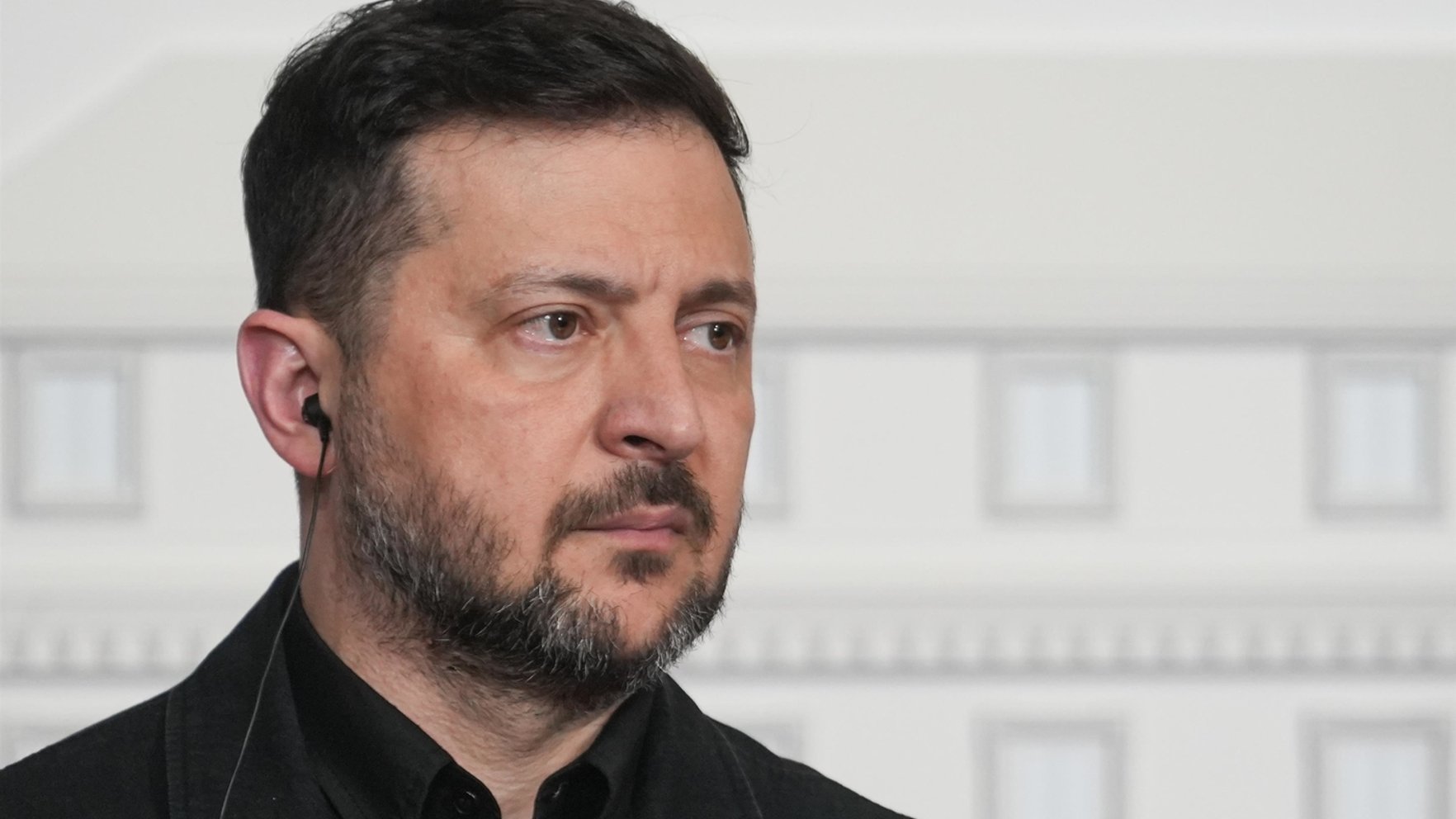

Russia Tests NATO Borders, Not Seeking War with Alliance: Expert Kevin Riely
Translated from Latvian, summarized and contextualized by DistantNews.
At a glance
Interview
Named sources
Context piece
- Russia is testing NATO's borders through hybrid operations rather than seeking direct war with the alliance, according to U.S. expert Kevin Riely.
- Riely suggests Russia's goal is to provoke a reaction from NATO, which could then be used to frame NATO as the aggressor.
- European nations are strengthening their defenses in response, potentially creating a long-term deterrence against Russia.
Russia is currently probing the boundaries of NATO through hybrid operations, aiming to gauge the alliance's reaction rather than initiating a direct conflict, according to American expert Kevin Riely. Riely, who specializes in Russian intelligence and covert operations, believes Russia's strategy involves testing responses to incidents like drone flights and airspace violations.
If Russia succeeds in getting NATO to respond militarily to these provocations, Moscow could say: 'See, we've been saying all along that NATO is the aggressor. NATO started all this. We invaded Ukraine because NATO started all this.'
"We cannot believe that Russia will never attack. Therefore, European countries are strengthening their security," Riely stated in an interview with Delfi. He posits that Russia's actions, while seemingly provocative, might inadvertently foster an environment where Europe becomes better prepared to deter it. "In a way, Russia itself is creating an environment where Europe will become increasingly better prepared for its deterrence," he explained.
Riely distinguishes these actions from sabotage but sees them as reconnaissance to assess the speed and nature of responses. He notes that incidents involving drones over Poland and military aircraft in Estonian airspace are part of this pattern. Russia's objective, he suggests, is to provoke NATO into a military response, which Moscow could then leverage to claim NATO is the aggressor. "If Russia succeeds in getting NATO to respond militarily to these provocations, Moscow could say: 'See, we've been saying all along that NATO is the aggressor.'"
In a way, Russia itself is creating an environment where Europe will become increasingly better prepared for its deterrence.
While acknowledging that airspace violations are aggressive acts, Riely questions whether they are sufficient to trigger Article 5 of the NATO treaty. He notes that military leaders across Europe are increasingly warning of a potential war with Russia within five to ten years, or even three to five years. These warnings, he believes, serve to prepare the public and justify increased defense budgets, military acquisitions, and training, ultimately creating a long-term deterrence mechanism.
We cannot believe that Russia will never attack. Therefore, European countries are strengthening their security.
DistantNews Editorial
Originally published by Delfi Latvia in Latvian. Translated, summarized, and contextualized by our editorial team with added local perspective. Read our editorial standards.
More Stories

From Our Blog

What Gets Lost (and Found) When News Is Translated

The Critical Role of Diaspora Media in Global News

What Travellers Should Know About Countries with Restricted Press

A Digital Nomad's Guide to Following Local News

How the Same Story Looks Different in Different Countries
