


Saskatchewan to increase U.S. liquor prices by 50% in response to U.S. tariffs
Translated from English and summarized by DistantNews. Read the original for the full story.
At a glance
News
Sources not specified
New plan
- Saskatchewan's Liquor and Gaming Authority will increase the price of U.S. liquor by 50% for retailers on Sept. 8.
- This move mirrors U.S. tariffs imposed on Canadian liquor, impacting the cost of American alcohol sold in the province.
- Retailers and economists anticipate shifts in consumer purchasing habits and potential price adjustments for customers.
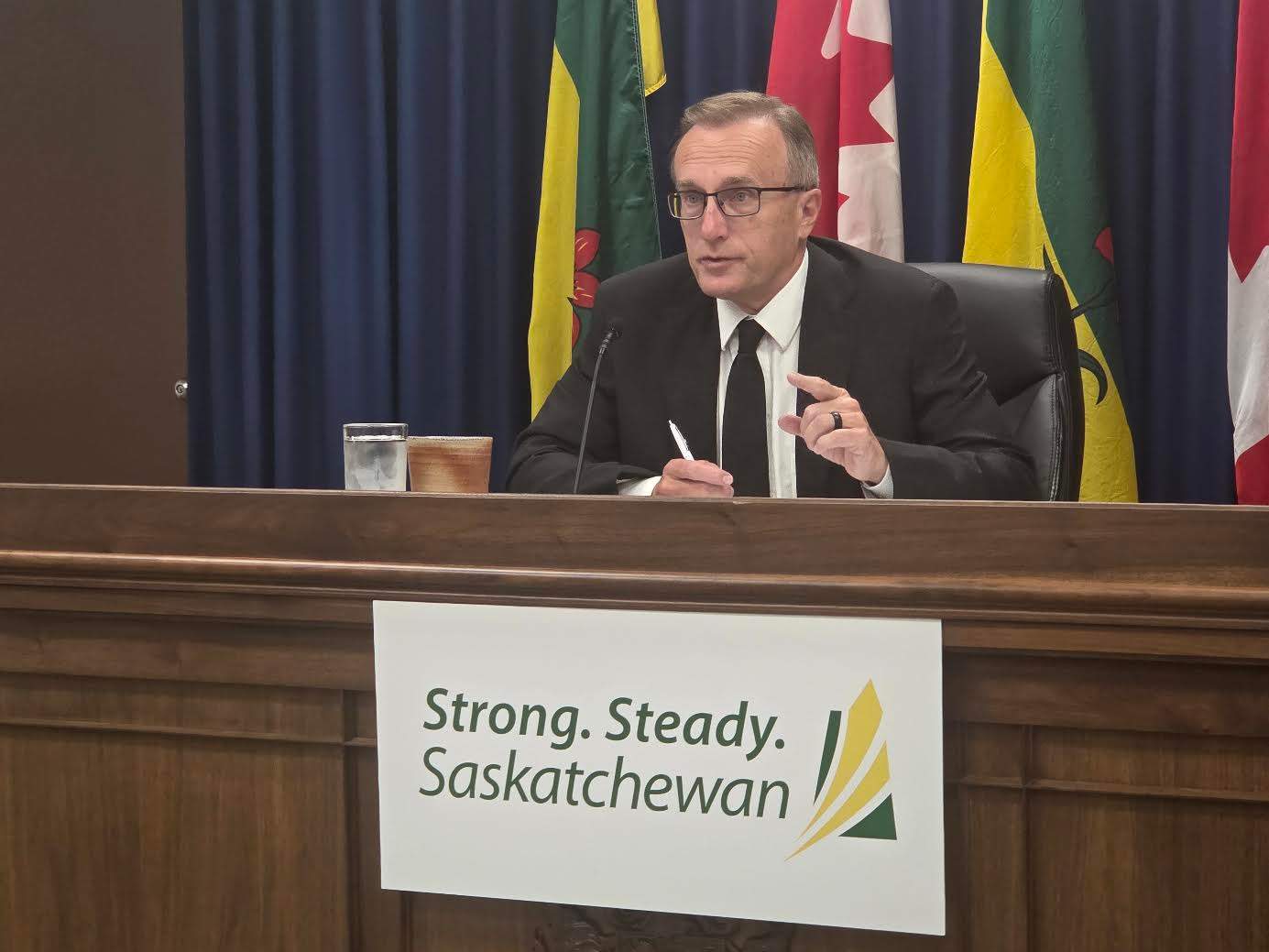
Saskatchewan retailers will soon face a 50% markup on U.S. liquor as the provincial distributor adjusts prices in response to American tariffs on Canadian alcohol. Premier Scott Moe announced the change, set to take effect September 8.
The weeks that follow, that’s gonna be the time to tell what’s gonna happen with the prices on the shelves.
This retaliatory measure means businesses buying American spirits will incur higher costs. However, it remains uncertain how much of this increase will be passed directly to consumers. Alex Wasylenko, manager of the Sutherland Beer and Wine Store, noted that the full impact on shelf prices will become clearer once existing stock sells out.
Wasylenko has consistently encouraged customers to support Canadian products since the trade dispute began. He observes a growing consumer interest in product origins and believes many businesses will continue stocking U.S. liquor despite the price hike. "If people are set on coming home with a certain product, we will have that for them, but when it comes to the prices it’s still to be determined if that entire 50 per cent is going to be passed along to the customer or how it’s going to be broken up," he stated.
We have to adapt with it because there’s more and more consumers that are changing their choice of products they’d like to buy and they’re showing a greater interest in where their products are coming from.
Economist Jason Childs suggests that U.S. producers might absorb some of the costs to retain market share, especially as consumers and businesses grow weary of the ongoing trade friction. He also pointed out that per capita alcohol sales in Canada have been declining, and this situation could further exacerbate that trend. "We’ve seen that alcohol sales per capita in Saskatoon and Canada as a whole have started to come down and notably so, right? And so we’ve got this shift that’s happening around alcohol. And I think … what we’re seeing with the U.S. right now might exacerbate that problem," Childs explained.
If people are set on coming home with a certain product, we will have that for them, but when it comes to the prices it’s still to be determined if that entire 50 per cent is going to be passed along to the customer or how it’s going to be broken up.
Jim Bence, president of Hospitality Saskatchewan, has also observed a downturn in spending patterns within the hospitality sector. Some businesses may absorb the increased costs, while others might have to pass them on, leading to potential customer losses. The situation highlights the complex interplay between international trade policies and local business operations.
Canadians are thinking with their wallet in all their shopping decisions and we’ve seen lots of people that have been changing their regular options based on prices alone.
About this summary
Originally published by Global News in English. Translated, summarized, and contextualized automatically by DistantNews, with a note on how the source frames the story. Not individually reviewed before publishing. How this works.
More Stories
From Our Blog

What Gets Lost (and Found) When News Is Translated

The Critical Role of Diaspora Media in Global News

What Travellers Should Know About Countries with Restricted Press

A Digital Nomad's Guide to Following Local News

How the Same Story Looks Different in Different Countries
