

Saudi Arabia Bolsters Road Quality with World's Largest Equipment Fleet for 2030 Vision
Translated from Arabic, summarized and contextualized by DistantNews.
TLDR
- Saudi Arabia is significantly upgrading its road network quality to support its Vision 2030 goal of hosting 30 million Umrah pilgrims by 2030.
- The country has deployed the world's largest fleet of advanced road assessment equipment, utilizing AI-driven technology.
- These efforts aim to enhance road safety, efficiency, and the overall experience for pilgrims and visitors.
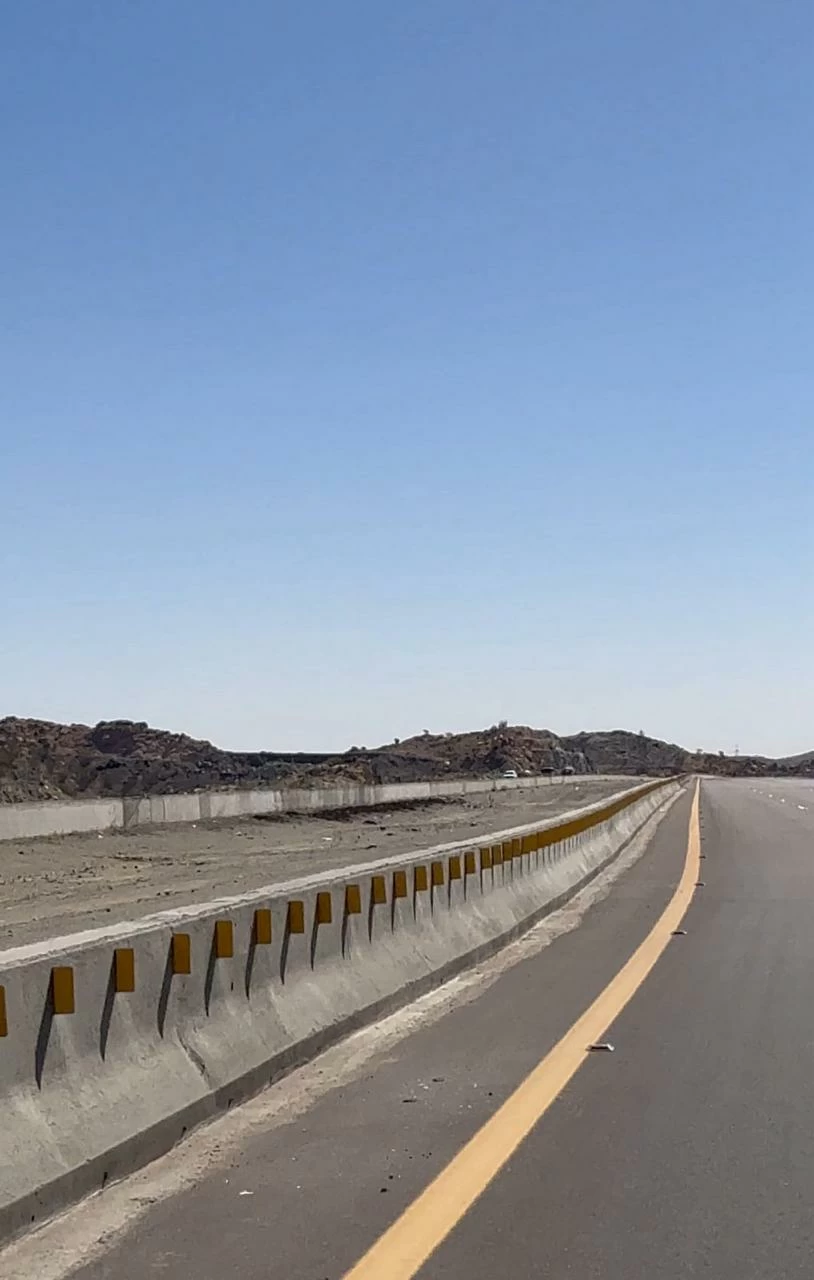
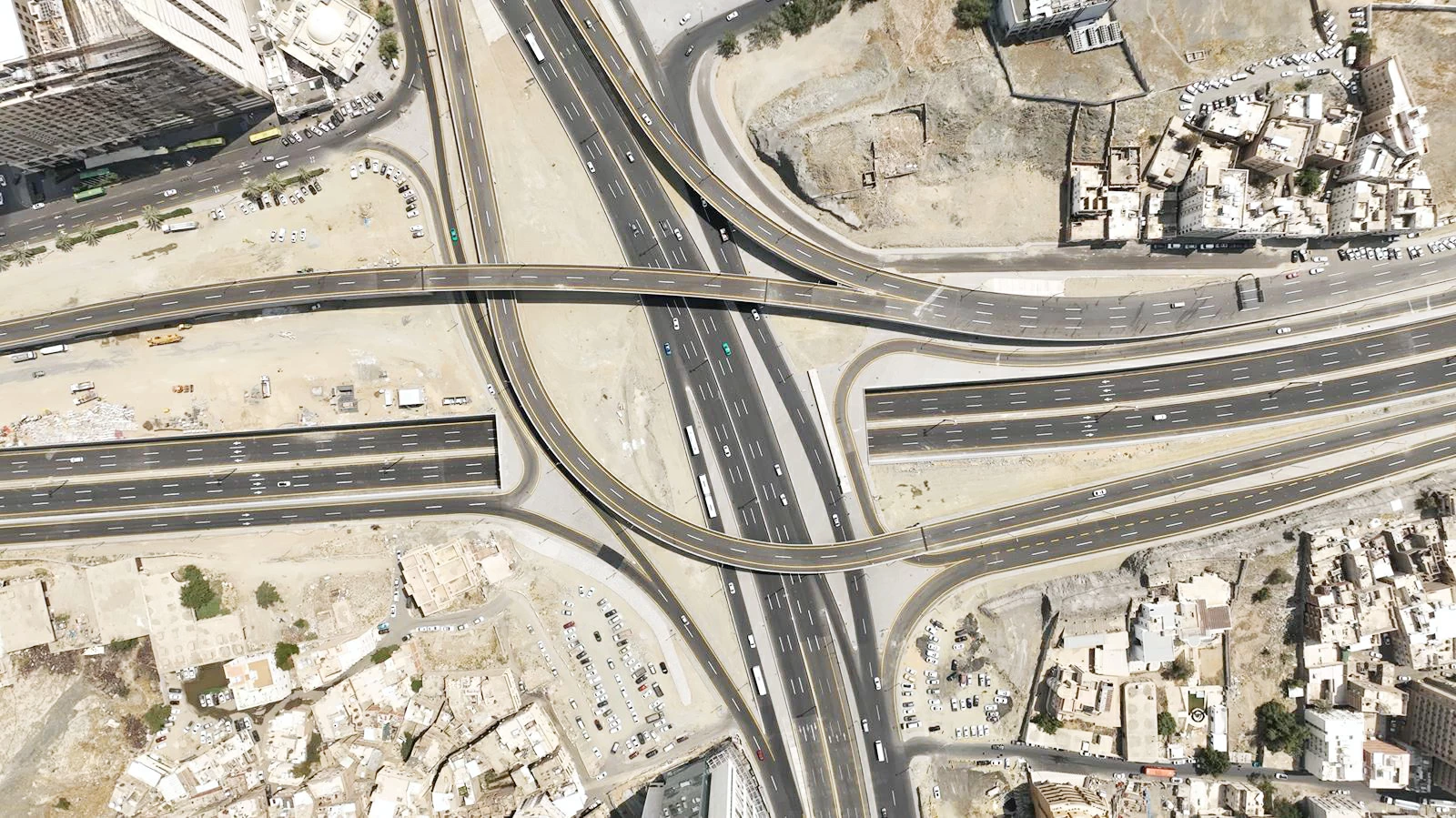
Our Kingdom is making monumental strides in infrastructure development, particularly in enhancing the quality and connectivity of our road networks. This ambitious undertaking is a cornerstone of Saudi Vision 2030, directly supporting our goal to welcome 30 million Umrah pilgrims annually by 2030. The Ministry of Transport and Logistics Services has deployed an unparalleled fleet of road assessment and evaluation equipment – the largest globally – to ensure our roads meet the highest international standards. This isn't just about asphalt and bridges; it's about leveraging cutting-edge technology, including artificial intelligence, to guarantee the safety, efficiency, and comfort of every traveler, especially the millions of faithful who journey to our holy sites. The investment in advanced machinery, capable of precise measurements for surface damage, road evenness, layer thickness, and skid resistance, underscores our commitment to excellence. As Okaz has reported, these advancements are crucial not only for facilitating religious tourism but also for bolstering our national infrastructure's global standing. We are not merely building roads; we are paving the way for a transformed Saudi Arabia, ensuring a seamless and secure experience for all who visit.
DistantNews Editorial
Originally published by Okaz in Arabic. Translated, summarized, and contextualized by our editorial team with added local perspective. Read our editorial standards.
More Stories


From Our Blog

What Gets Lost (and Found) When News Is Translated

The Critical Role of Diaspora Media in Global News

What Travellers Should Know About Countries with Restricted Press

A Digital Nomad's Guide to Following Local News

How the Same Story Looks Different in Different Countries
