


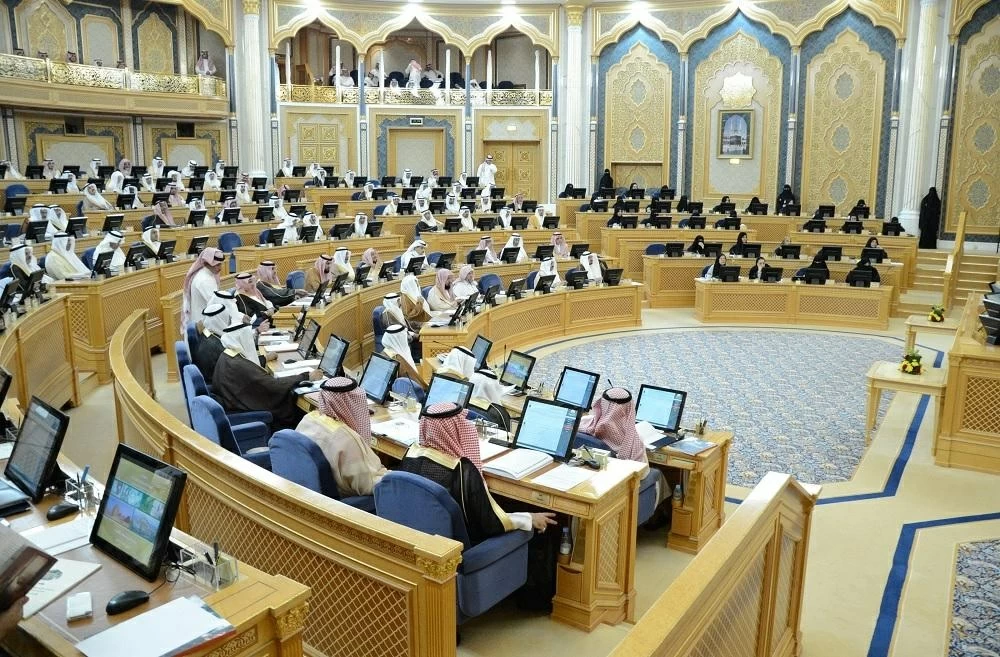
Saudi Arabia Hosts Gulf Summit Amid Escalating Regional Tensions
Translated from Arabic, summarized and contextualized by DistantNews.
TLDR
- Saudi Arabia hosted an exceptional Gulf summit to address escalating Iranian aggressions and coordinate regional efforts.
- Officials emphasized Saudi Arabia's established approach to crisis containment and de-escalation through coordinated efforts.
- The summit aimed to bolster Gulf integration, regional stability, and economic security amidst complex geopolitical challenges.
Okaz newspaper highlights the critical juncture at which the Gulf Cooperation Council (GCC) convened its extraordinary consultative summit in Jeddah, underscoring Saudi Arabia's pivotal role in navigating regional security challenges. The article emphasizes that the summit, presided over by the Kingdom, was particularly sensitive given the backdrop of escalating Iranian provocations against regional nations.
The summit's hosting by the Kingdom confirms its approach to consolidating dialogue and coordinating positions among the GCC states, which enhances integration and preserves stability in a complex regional environment that requires more joint action and more efficient crisis management strategies.
Saudi officials and writers quoted in the piece stress the Kingdom's consistent approach to de-escalating crises and mitigating their repercussions. They point to Saudi Arabia's diplomatic efforts, its commitment to preventing its territory from being used for hostile acts, and its condemnation of Iran's actions as violations of international law and threats to regional security. The article notes the GCC's unified stance on security and sovereignty, welcoming the UN Security Council resolution condemning Iranian attacks.
The convening of the Gulf consultative summit comes at a time when the region and the Gulf states are experiencing security and economic risks due to the American-Iranian war.
The perspective here is one of regional leadership and proactive diplomacy. The narrative frames Saudi Arabia as the linchpin for Gulf stability, adept at coordinating efforts and charting a course for a more secure future. The commentary from figures like Dr. Amal Al-Hazani and Dr. Abdullah Al-Najjar reinforces the idea that the GCC system is robust and capable of confronting exceptional challenges, with Saudi Arabia at its helm. This contrasts with a Western media narrative that might focus more on the direct conflict or economic impacts, whereas the Saudi perspective emphasizes the Kingdom's strategic foresight and commitment to regional solidarity.
The exceptional Gulf summit in Jeddah confirms the cohesion of the Gulf system and its ability to deal with the exceptional challenges the region is going through, extending a firm path that began nearly half a century ago.
Furthermore, the article includes a critical view from thinker Dr. Mohammed Al-Rumeihi, who argues that diplomatic channels with Iran have proven insufficient and that the aggressor 'does not understand politics or international relations.' This sentiment reflects a local frustration with perceived Iranian intransigence and a call for a firm, long-term, nationally-driven strategy to counter Iranian influence and its regional proxies. The dual attacks—physical assaults and the disruption of international shipping through the Strait of Hormuz—are presented as direct threats that necessitate a decisive, well-calculated Gulf response.
All diplomatic paths with neighboring Iran have not been enough, and the perpetrator and planner of the attacks on our countries does not understand politics and international relations.
DistantNews Editorial
Originally published by Okaz in Arabic. Translated, summarized, and contextualized by our editorial team with added local perspective. Read our editorial standards.
More Stories


From Our Blog

What Gets Lost (and Found) When News Is Translated

The Critical Role of Diaspora Media in Global News

What Travellers Should Know About Countries with Restricted Press

A Digital Nomad's Guide to Following Local News

How the Same Story Looks Different in Different Countries
