


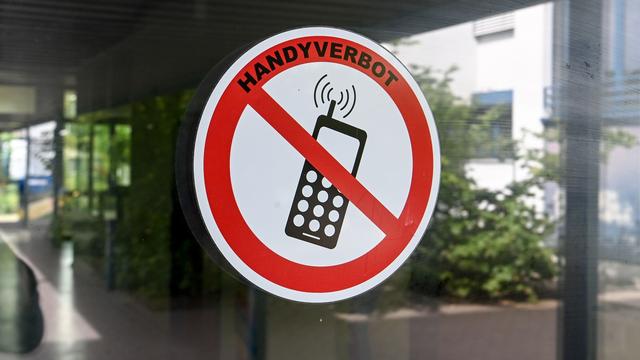
Saxony Schools Ban Private Phone Use for Younger Students
Translated from German, summarized and contextualized by DistantNews.
At a glance
News
Named sources
New plan
- Saxony is implementing stricter rules for private smartphone use in schools starting Monday, affecting students up to grade 8.
- Students must keep phones packed away during school hours, though exceptions exist for educational purposes or medical needs.
- The government aims to reduce screen time, improve concentration, and encourage more direct social interaction among students.
As students in Saxony return to school, new regulations will significantly restrict private smartphone use for younger pupils. Starting Monday, students up to grade 8 in secondary schools and grammar schools will be required to keep their devices packed away during the school day.
No ban, but a liberation.
These new rules, announced by Saxony's Minister of Culture Conrad Clemens, do not constitute a complete ban. Phones can still be brought to school and used on the way. However, once on school grounds, they must remain in backpacks or lockers unless a teacher permits their use for educational activities. Exceptions are also made for essential medical applications, such as diabetes management apps.
The restriction is actually not a ban, but a liberation.
Clemens described the policy not as a prohibition but as a "liberation," arguing that limiting constant digital engagement can benefit both students and parents. He noted the difficulty adults face in managing screen time and suggested that shared school rules could help families detach from the pervasive use of digital media. The minister anticipates that these measures will lead to increased concentration and foster more direct, personal interactions among students.
Where phones are banned from everyday school life, performance improves and there is more personal exchange in the schoolyard.
While private phone use will be curtailed, digital education will continue. Saxony has developed a "media passport" to teach students about social media, online gaming, and identifying misinformation. Artificial intelligence will also be integrated into the curriculum, with students learning to critically evaluate AI-generated content. The education union GEW expressed a nuanced view, with its state chairman Burkhard Naumann stating that while many teachers welcome stricter limits, the practical implementation is key. He cautioned against teachers becoming "de facto police officers" enforcing the rules.
What must not happen is that teachers effectively become police officers.
DistantNews Editorial
Originally published by Die Zeit in German. Translated, summarized, and contextualized by our editorial team with added local perspective. Read our editorial standards.
More Stories


From Our Blog

What Gets Lost (and Found) When News Is Translated

How the Same Story Looks Different in Different Countries

The Critical Role of Diaspora Media in Global News

What Travellers Should Know About Countries with Restricted Press

A Digital Nomad's Guide to Following Local News
