

Social Media: No photo needs to move us. We ourselves must move.
Translated from German, summarized and contextualized by DistantNews.
At a glance
Opinion
Sources not specified
Context piece
- The author reflects on the overwhelming nature of social media and its impact on individual agency.
- Constant exposure to images, like those of European wildfires, can lead to a sense of helplessness.
- The piece argues for active engagement with critical issues like climate change, rather than passive consumption of information.
The author reflects on the powerful and often overwhelming experience of engaging with social media, likening it to being lost in one's phone for hours. This immersion can foster a profound sense of powerlessness, as images flood the user, some repeatedly, others revisited. In this environment, consciously choosing a stance on issues becomes difficult.
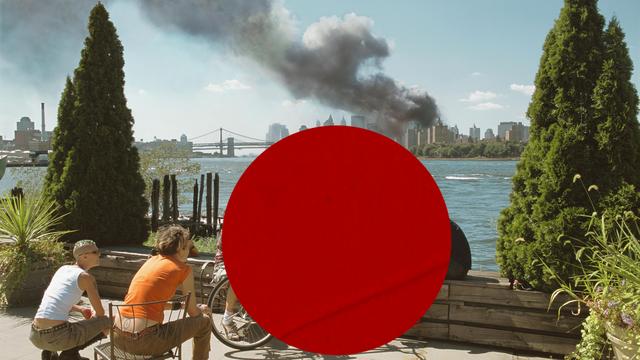
This feeling is particularly relevant when confronted with images of significant events, such as the European wildfires this summer. The author notes that individuals can become so engrossed in these impressions that they lose their sense of self and agency. The constant stream of information and imagery can lead to a state of being overwhelmed, where one is merely a passive recipient of external stimuli.
However, the author posits that for issues as far-reaching as climate change and its consequences, passive consumption is insufficient. It is precisely in these moments, when confronted with the scale of environmental challenges, that individuals should strive to act rather than simply be overwhelmed consumers of information. The piece advocates for a shift from passive observation to active participation.
The core message emphasizes the need for personal agency in the face of global challenges. Instead of being swept away by the tide of social media content, individuals are urged to find their own footing and take action. The author suggests that true engagement requires moving beyond the digital realm and actively participating in addressing the issues that affect us all.
DistantNews Editorial
Originally published by Die Zeit in German. Translated, summarized, and contextualized by our editorial team with added local perspective. Read our editorial standards.
More Stories

From Our Blog

What Gets Lost (and Found) When News Is Translated

How the Same Story Looks Different in Different Countries

The Critical Role of Diaspora Media in Global News

What Travellers Should Know About Countries with Restricted Press

A Digital Nomad's Guide to Following Local News
