

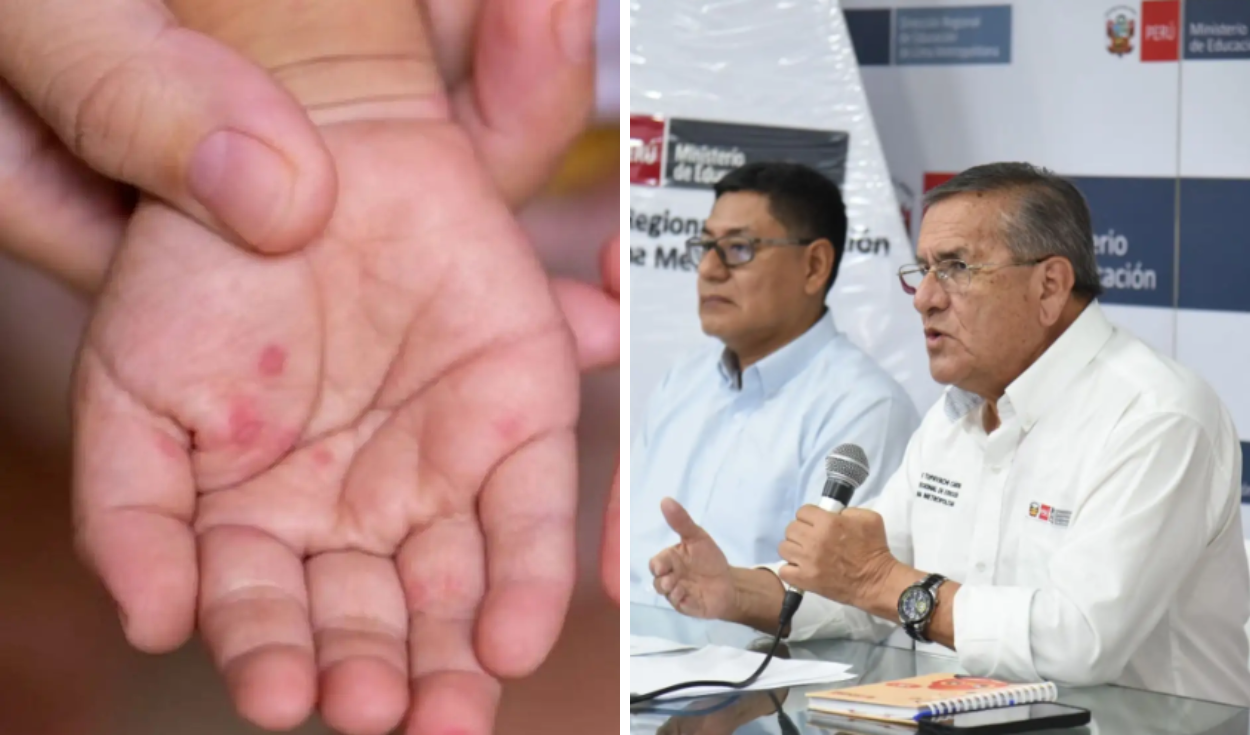
Schools in Peru to enhance hygiene amid Coxsackie virus surge; closures ruled out
Translated from Spanish, summarized and contextualized by DistantNews.
TLDR
- Peru is experiencing an increase in Coxsackie virus infections, primarily affecting children under 10.
- The Ministry of Education (Minedu) is coordinating with the Ministry of Health (Minsa) to contain the outbreak.
- Schools are not being closed, but focused isolation and enhanced hygiene practices are recommended.
La República reports on the growing concern over Coxsackie virus infections in Peru, a situation that has prompted action from the Ministry of Education (Minedu) in coordination with the Ministry of Health (Minsa). The virus, which manifests with hand, foot, and mouth disease, is particularly affecting young children, with approximately 300 cases reported nationwide, including 23 in Lima.
El protocolo establece que, ante un caso sospechoso, el docente debe informar al director del colegio, quien coordina con el Minsa y comunica a la UGEL correspondiente para activar la vigilancia epidemiológica.
Despite the rise in infections, particularly in early childhood education centers where close contact among children is common, authorities have ruled out school closures. Instead, the regional education director for Metropolitan Lima, Marcos Tupayachi, emphasized the implementation of focused isolation measures within classrooms where cases are detected. The protocol involves teachers reporting suspected cases to school directors, who then liaise with Minsa to activate epidemiological surveillance.
To combat the spread, Minedu plans to launch a campaign to reinforce personal hygiene practices in educational institutions. Tupayachi stressed the importance of returning to fundamental preventive measures, such as handwashing, and making it a widespread practice again in schools. This initiative aims to educate children on the importance of hygiene to prevent transmission, which can occur through direct contact or contaminated surfaces.
Lo importante es volver a medidas de prevención como el lavado de manos y convertirla otra vez en una tarea masiva en nuestras escuelas.
César Munayco, director of the National Center for Epidemiology, Prevention, and Disease Control at Minsa, provided further guidance, recommending thorough handwashing for 20 seconds, covering coughs and sneezes with the forearm, avoiding touching the face, and disinfecting frequently used surfaces like toys and doorknobs. These measures are crucial in controlling the outbreak and ensuring the health and safety of young students.
Lo ideal es lavarse las manos durante 20 segundos, cubrirse con el antebrazo al toser o estornudar, evitar tocarse el rostro y desinfectar superficies de uso frecuente, como juguetes y manijas de puertas.
DistantNews Editorial
Originally published by La República in Spanish. Translated, summarized, and contextualized by our editorial team with added local perspective. Read our editorial standards.
More Stories

From Our Blog

What Gets Lost (and Found) When News Is Translated

The Critical Role of Diaspora Media in Global News

What Travellers Should Know About Countries with Restricted Press

A Digital Nomad's Guide to Following Local News

How the Same Story Looks Different in Different Countries
