

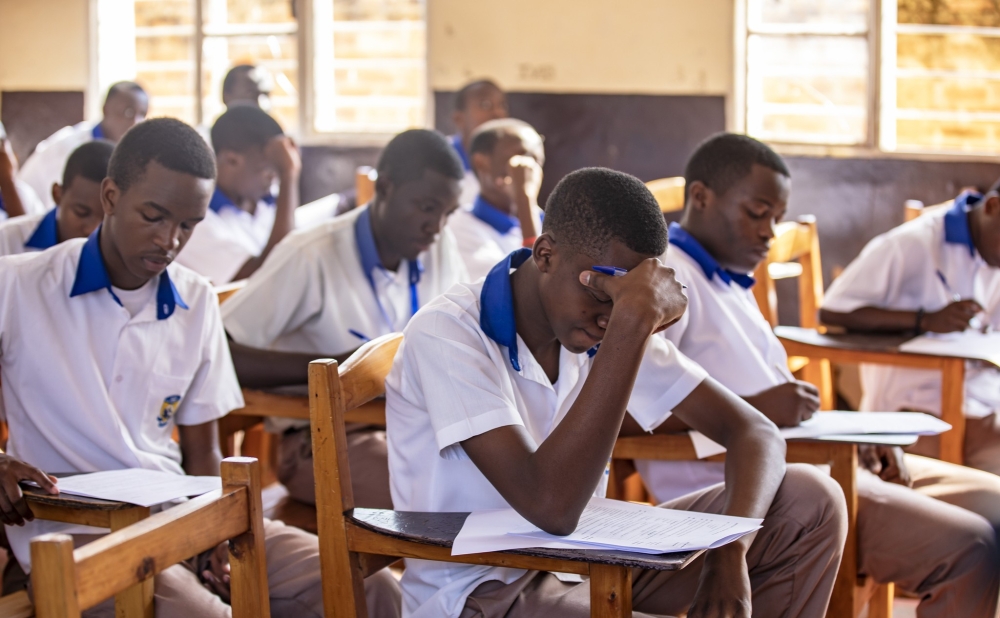

Schools Urged to Lead in Teaching Genocide History
Translated from English, summarized and contextualized by DistantNews.
TLDR
- Schools are being urged to take a leading role in educating students about the history of the Genocide against the Tutsi.
- This call comes during the 32nd commemoration of the event.
- The remarks were made at the New Life Christian Academy in Kicukiro District.
The 32nd commemoration of the Genocide against the Tutsi serves as a solemn reminder of the past and a powerful impetus for future action. As Rwandans gather to remember the horrific events of 1994, a critical focus has emerged: the imperative for educational institutions to proactively teach this history. The call for schools to lead this charge, as highlighted during the recent commemoration at New Life Christian Academy in Kicukiro District, underscores a national commitment to ensuring that the lessons of the genocide are never forgotten.
From our vantage point at The New Times, this emphasis on education is paramount. It is not merely about recounting historical facts; it is about fostering a deep understanding of the causes, consequences, and the devastating human cost of the genocide. By integrating this history into the curriculum, Rwanda aims to build a generation that is not only aware of its past but is also equipped to prevent such atrocities from ever happening again, both within Rwanda and globally.
This educational initiative is a cornerstone of Rwanda's post-genocide recovery and reconciliation efforts. It reflects a national perspective that acknowledges the importance of confronting difficult truths to build a stronger, more unified future. While the international community may observe these commemorations, for Rwandans, it is a deeply personal and collective process of remembrance, healing, and a resolute pledge to 'Never Again.' The role of schools in this ongoing journey is indispensable, ensuring that the memory of the victims is honored through education and a commitment to peace.
DistantNews Editorial
Originally published by The New Times in English. Translated, summarized, and contextualized by our editorial team with added local perspective. Read our editorial standards.
More Stories

From Our Blog

What Gets Lost (and Found) When News Is Translated

The Critical Role of Diaspora Media in Global News

What Travellers Should Know About Countries with Restricted Press

A Digital Nomad's Guide to Following Local News

How the Same Story Looks Different in Different Countries
