

Scientists Create Digital Skeleton to Aid World's Rarest Mammal, the Vaquita
Translated from Polish, summarized and contextualized by DistantNews.
At a glance
In-depth
Sources not specified
Context piece
- Only seven to ten vaquitas, the world's rarest marine mammal, are estimated to remain.
- Scientists have created a digital reconstruction of the vaquita's skeleton to aid research and conservation efforts.
- This initiative aims to preserve knowledge and support the protection of the critically endangered species.
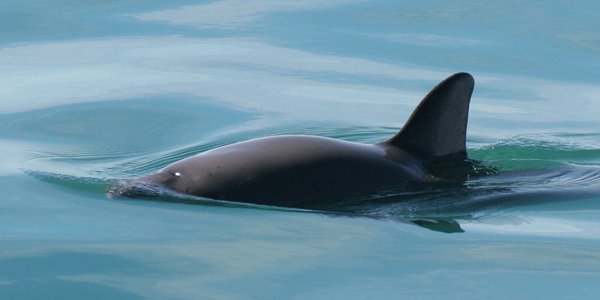
The vaquita, recognized as the world's rarest marine mammal, teeters on the brink of extinction, with estimates suggesting only seven to ten individuals survive. This critically endangered porpoise faces an uncertain future, prompting urgent action from the scientific community.
In a significant conservation effort, researchers have developed a detailed digital reconstruction of the vaquita's skeleton. This advanced technological approach aims to preserve invaluable anatomical knowledge and facilitate further scientific study. The digital model will serve as a crucial resource for understanding the species' biology and for supporting ongoing efforts to protect it from complete annihilation.
The plight of the vaquita is a stark illustration of the devastating impact of human activities, primarily illegal fishing, on marine biodiversity. Their dwindling numbers highlight the urgent need for effective conservation strategies and international cooperation to prevent the loss of unique species. The digital skeleton initiative represents a novel approach to safeguarding the legacy of this elusive creature, even as the fight for its survival continues.
DistantNews Editorial
Originally published by Rzeczpospolita in Polish. Translated, summarized, and contextualized by our editorial team with added local perspective. Read our editorial standards.
More Stories

From Our Blog

What Gets Lost (and Found) When News Is Translated

The Critical Role of Diaspora Media in Global News

What Travellers Should Know About Countries with Restricted Press

A Digital Nomad's Guide to Following Local News

How the Same Story Looks Different in Different Countries
