


Seniors May Be Healthier With Placebos If Doctors Are Honest, Study Finds
Translated from Polish, summarized and contextualized by DistantNews.
TLDR
- A study by Italian researchers challenges the traditional belief that placebo effects only work when patients are unaware they are taking a placebo.
- The experiment involved 90 adults aged 65-90, divided into three groups: one control, one deceived into believing they took a multivitamin, and one informed that they were taking sugar pills but educated on the placebo effect.
- The informed group showed significant improvements, suggesting that honesty and understanding the psychological mechanism of placebo can be as effective as deception in eliciting positive health outcomes, particularly for seniors.
A recent study from Italy's Università Cattolica del Sacro Cuore, published in the 'International Journal of Clinical and Health Psychology' and highlighted by PsyPost.org, offers a fascinating new perspective on the placebo effect, particularly relevant for our senior population.
The latest study challenges the common theory about the placebo, according to which patients must believe they are taking a real drug for the placebo to work.
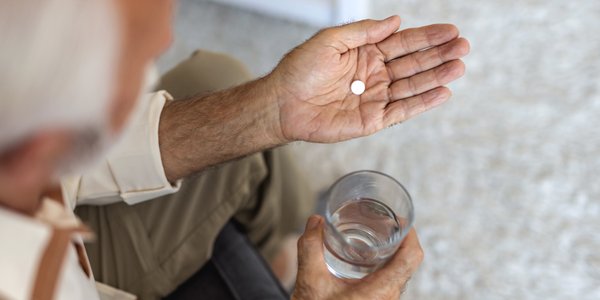
Traditionally, the efficacy of placebos has been tied to a patient's belief that they are receiving a genuine treatment, often implying deception is necessary. However, this research boldly questions that assumption. The study involved 90 healthy adults between 65 and 90 years old, split into three groups. One group received no treatment, another was deceptively given inactive pills presented as a cognitive-enhancing multivitamin, and crucially, a third group received the same inactive pills but was openly informed they were sugar pills. They were also educated about the psychological power of the placebo effect and the ritual of taking a pill.
What's remarkable is that the group fully aware they were taking a placebo, yet educated on its psychological mechanism, showed notable improvements. This suggests that transparency and empowering patients with knowledge about how their mind can influence their body might be just as, if not more, effective than traditional methods relying on deception. This approach respects the patient's autonomy and fosters a deeper understanding of the mind-body connection, which is especially pertinent for seniors seeking to maintain cognitive function and overall well-being.
The researchers explained that taking the pill could serve as a strong psychological stimulus.
This study's findings, while originating from Italy, resonate deeply with how we in Poland approach patient care. Emphasizing trust, open communication, and patient education aligns with our values. It challenges the paternalistic medical models of the past and opens doors for more collaborative and informed healthcare practices. The implications for geriatric care are significant, offering a path to enhance health outcomes through psychological empowerment rather than mere pharmacological intervention.
The researchers decided to verify this theory. They wanted to check if informing patients about taking a placebo would affect the treatment effects.
DistantNews Editorial
Originally published by Rzeczpospolita in Polish. Translated, summarized, and contextualized by our editorial team with added local perspective. Read our editorial standards.
More Stories


From Our Blog

What Gets Lost (and Found) When News Is Translated

The Critical Role of Diaspora Media in Global News

What Travellers Should Know About Countries with Restricted Press

A Digital Nomad's Guide to Following Local News

How the Same Story Looks Different in Different Countries
