


Wrocław University of Science and Technology Seeks Adults with ADHD for Brain Function Research
Translated from Polish, summarized and contextualized by DistantNews.
TLDR
- Researchers at the Wrocław University of Science and Technology are recruiting adult participants diagnosed with ADHD for a study on cognitive functions.
- The BRAVES-Cog project aims to investigate how the brain functions in individuals with various cognitive difficulties, including ADHD, and offers personalized therapy.
- Participants with ADHD will undergo cognitive assessments and may receive non-invasive neurostimulation therapy, while the study also seeks participants experiencing 'brain fog' post-COVID-19, those with memory changes, and healthy volunteers.
Wrocław University of Science and Technology is spearheading a groundbreaking interdisciplinary project, BRAVES-Cog, dedicated to understanding and potentially improving cognitive functions. The initiative is particularly focused on adults diagnosed with ADHD, a condition often misunderstood and underestimated in its impact beyond simple concentration issues. This project represents a significant step forward in neurological research within Poland.
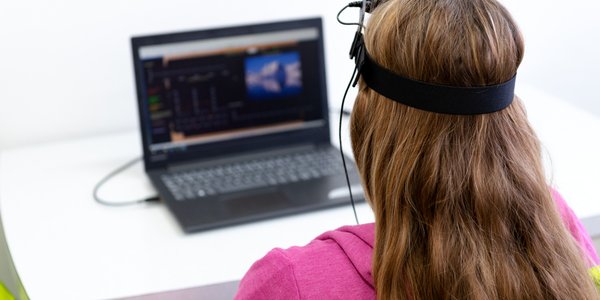
The BRAVES-Cog study goes beyond basic observation, offering participants a comprehensive evaluation of their cognitive processes. For those with ADHD, this includes advanced neurophysiological measurements. Crucially, a subset of these participants will be eligible for personalized, non-invasive neurostimulation therapies (tES). This cutting-edge approach uses weak electrical currents to gently stimulate specific brain areas, offering a potential therapeutic avenue without surgical intervention or disruption of existing medication regimens.
This research is not limited to individuals with ADHD. The university is also actively seeking participants who have experienced "brain fog" following COVID-19 infection, individuals noticing changes in memory or concentration (especially those with a family history of Alzheimer's disease), and healthy volunteers. By gathering data from these diverse groups, BRAVES-Cog aims to build a robust database of medical and biological biomarkers. This database is envisioned to significantly aid in the early prediction of memory and attention problems in the future, marking a vital contribution to both clinical practice and scientific understanding in Poland.
DistantNews Editorial
Originally published by Rzeczpospolita in Polish. Translated, summarized, and contextualized by our editorial team with added local perspective. Read our editorial standards.
More Stories



From Our Blog

What Gets Lost (and Found) When News Is Translated

The Critical Role of Diaspora Media in Global News

What Travellers Should Know About Countries with Restricted Press

A Digital Nomad's Guide to Following Local News

How the Same Story Looks Different in Different Countries
