


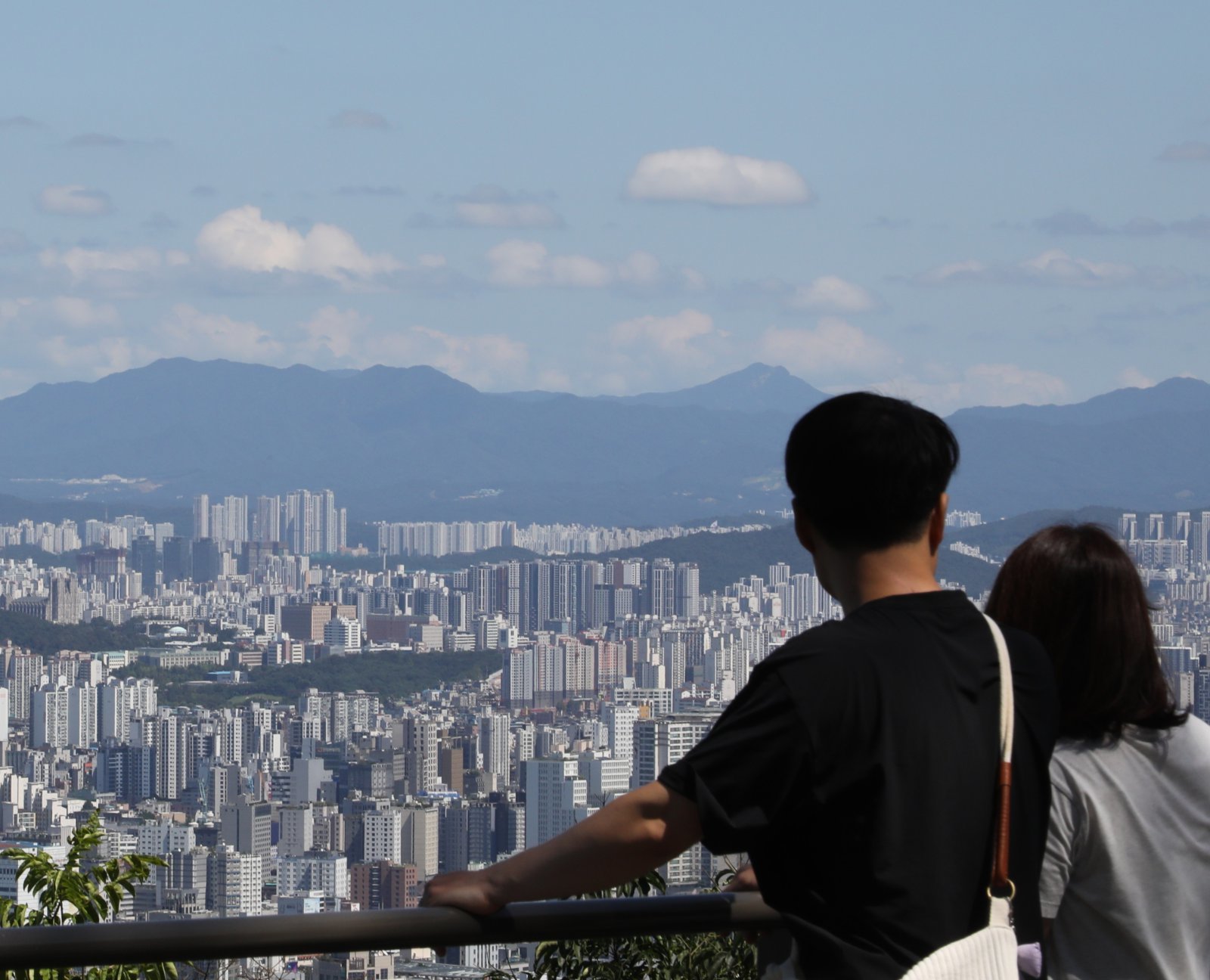
Seoul Housing Lotteries Draw Tens of Thousands Seeking Huge Profits
Translated from Korean, summarized and contextualized by DistantNews.
TLDR
- Tens of thousands of applicants are flocking to "no-substitute" (unsubstituted) housing lotteries in Seoul, seeking potential profits of hundreds of millions of won.
- High demand is driven by a significant gap between the lottery price and the current market value, with expected profits around 900 million to 1 billion won per unit.
- Despite regulatory adjustments, the "lottery effect" persists due to a shortage of new apartments and rising construction costs, leading to concerns about the integrity of the housing market.
The South Korean housing market is witnessing an intense frenzy surrounding "no-substitute" (무순위 청약) housing lotteries, particularly in Seoul, where tens of thousands are vying for a single unit, hoping for substantial profits. This phenomenon, often dubbed a "lottery competition," is fueled by a significant disparity between the original sale price and the current market value of these properties, with potential gains estimated to be as high as 900 million to 1 billion won (approximately $700,000 to $800,000 USD) per unit.
Recent examples highlight the extreme demand: one unit in 'Yeongdeungpo Xi Dignity' attracted nearly 70,000 applicants, while 'Gangdong Heritage Xi' saw over 100,000 applicants for just two units. These figures underscore the immense speculative interest, driven by the prospect of acquiring apartments at prices significantly below market rates. For instance, the 'Gangdong Heritage Xi' units were priced between 733 million and 786 million won, while comparable units were trading around 1.6 to 1.7 billion won.
While the government has attempted to curb speculation by restricting eligibility to only those without existing homes, the underlying issues of supply shortage and rising construction costs continue to drive demand. The average price for new apartments in Seoul has reached a record high, further increasing the appeal of these below-market-price lotteries. Experts express concern that this overheated market, where the original intent of clearing unsold inventory has devolved into a speculative gold rush, could undermine confidence in the broader housing subscription system. As reported by Dong-A Ilbo, this trend is expected to continue as long as the gap between regulated prices and market values remains substantial, making these lotteries a highly sought-after, albeit risky, investment opportunity for many.
DistantNews Editorial
Originally published by Dong-A Ilbo in Korean. Translated, summarized, and contextualized by our editorial team with added local perspective. Read our editorial standards.
More Stories



From Our Blog

What Gets Lost (and Found) When News Is Translated

The Critical Role of Diaspora Media in Global News

What Travellers Should Know About Countries with Restricted Press

A Digital Nomad's Guide to Following Local News

How the Same Story Looks Different in Different Countries
