


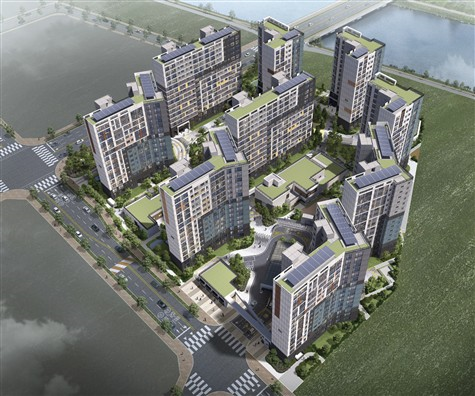
Seoul Metro Area to Offer 13,400 Public Housing Units in First Half, Up 43%
Translated from Korean, summarized and contextualized by DistantNews.
TLDR
- South Korea will offer 13,400 public housing units in the Seoul metropolitan area in the first half of the year, a 43% increase from the previous year.
- This includes 5,700 units in the third new town developments, such as Incheon Gyeyang and Goyang Changneung.
- Applications for the first batch of 3,100 units begin on March 30, with prices expected to be around 90% of the local market rate.
The South Korean government is accelerating its public housing supply initiative, with plans to offer 13,400 units in the Seoul metropolitan area during the first half of 2026. This represents a significant 43% increase compared to the same period last year, signaling a concerted effort to address housing demands in the capital region. The Dong-A Ilbo reports that this supply includes crucial units within the 'third new towns,' such as Incheon Gyeyang and Goyang Changneung, which are key components of the government's urban development strategy.
Applications for the initial 3,100 units are set to commence on March 30. These public housing projects are strategically located, with some offering convenient access to public transportation like the Seoul Metropolitan Subway Line 9 extension and proximity to major expressways. The pricing strategy, aiming for approximately 90% of the local market rate, is designed to make these homes more accessible to a wider range of citizens, particularly young couples and first-time homebuyers.
From a domestic perspective in South Korea, the expansion of public housing is a critical policy aimed at stabilizing the real estate market and providing affordable living options. While international coverage might focus on the economic implications or urban planning aspects, for South Koreans, this news directly impacts aspirations for homeownership and family stability. The government's proactive approach, detailed by the Ministry of Land, Infrastructure and Transport, underscores the ongoing commitment to alleviating housing burdens, a persistent concern for many households in the densely populated Seoul metropolitan area.
DistantNews Editorial
Originally published by Dong-A Ilbo in Korean. Translated, summarized, and contextualized by our editorial team with added local perspective. Read our editorial standards.
More Stories


From Our Blog

What Gets Lost (and Found) When News Is Translated

The Critical Role of Diaspora Media in Global News

What Travellers Should Know About Countries with Restricted Press

A Digital Nomad's Guide to Following Local News

How the Same Story Looks Different in Different Countries
