


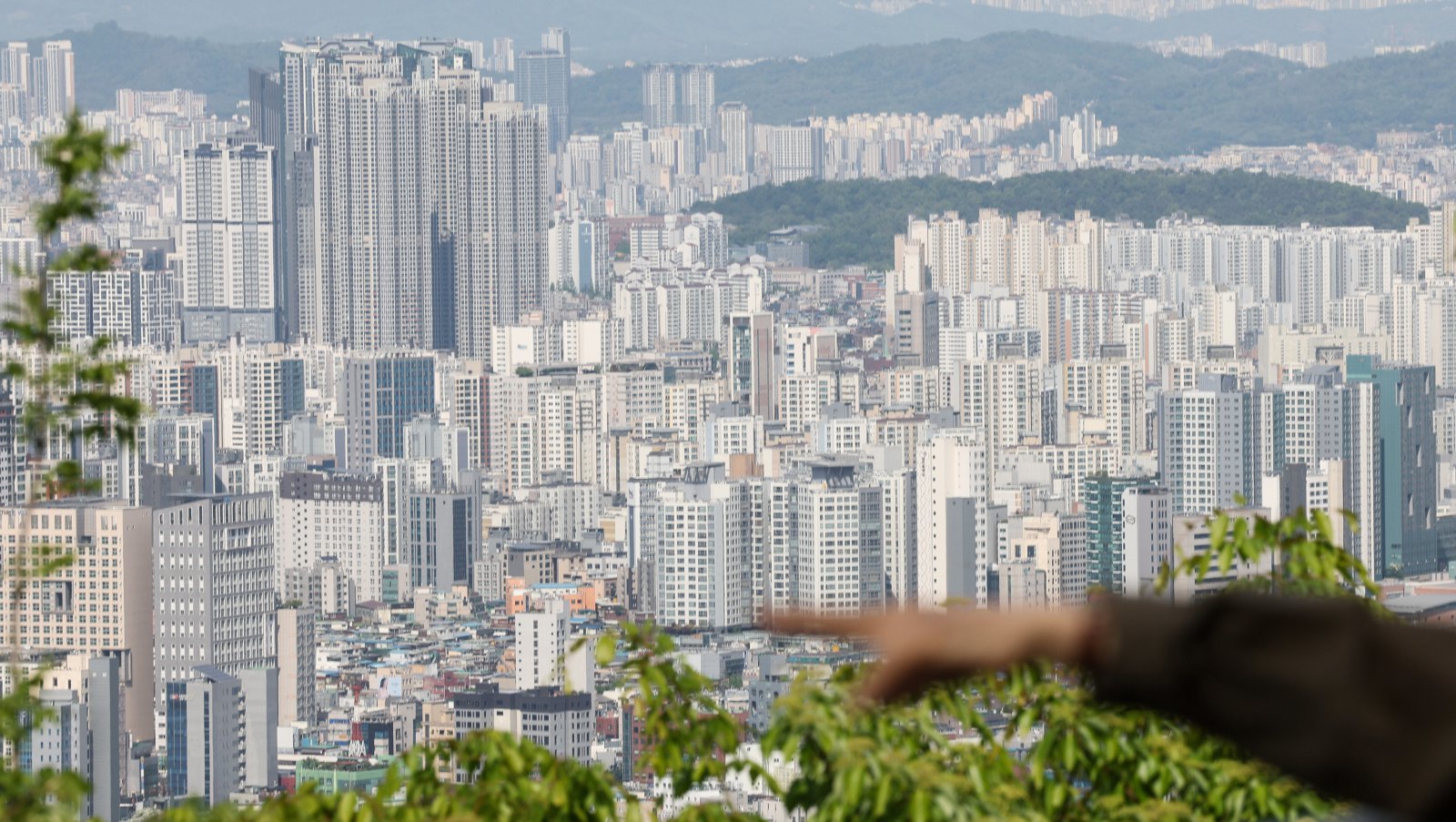
Seoul's Outer Districts See Price Surge as Loan Curbs Shift Demand
Translated from Korean, summarized and contextualized by DistantNews.
TLDR
- Apartment prices in Seoul's Gwanak district have risen 8% since December, making it the top-performing district in the capital.
- The surge is attributed to stricter loan regulations, which have shifted buyer demand towards mid-to-low-priced apartments.
- A significant decrease in available rental properties is also pushing some tenants to become buyers, further fueling price increases in outer areas.
Seoul's real estate market is showing a dynamic shift, with outer districts experiencing a notable uptick in apartment prices, particularly driven by recent lending restrictions. Gwanak-gu has emerged as the frontrunner in price appreciation among Seoul's autonomous districts, boasting an 8.1% increase in apartment sale prices since December. This trend is mirrored in other districts like Dongdaemun-gu and Gangseo-gu, which have also seen substantial growth.
The primary catalyst for this market movement appears to be the government's revised real estate policies, specifically the loan limits. With stricter regulations capping loans for higher-priced properties, buyers are increasingly focusing on apartments priced below 1.5 billion won. This has naturally channeled demand towards more affordable mid-to-low-priced housing, predominantly found in Seoul's peripheral areas. The average sale price in Gwanak, for instance, hovers around 879 million won, making it significantly more accessible than prime areas like Gangnam or Songpa, where prices often exceed 2 billion won.
The price strength in Seoul's mid-to-lower regions could potentially spread to adjacent Gyeonggi Province.
Compounding the issue is a sharp decline in the availability of rental apartments. Reports indicate a nearly 33% drop in listed rental properties compared to the end of last year. This scarcity, coupled with a trend towards converting rental units to monthly rent arrangements, is intensifying the supply-demand imbalance. Consequently, some prospective renters are finding it more viable to leverage available loans and enter the market as buyers, further stimulating price growth in these outer regions.
Experts like Nam Hyuk-woo from Woori Bank suggest that the price surge in Seoul's mid-to-lower-tier areas could potentially spill over into adjacent Gyeonggi Province. However, he also cautions that market conditions remain sensitive to macroeconomic factors, including potential interest rate hikes due to inflation and upcoming tax reforms, which could lead to a period of stabilization. The current market, while showing upward momentum in specific segments, remains subject to various economic undercurrents.
Some buyers are considering purchasing homes using loans due to the shortage of rental properties.
DistantNews Editorial
Originally published by Dong-A Ilbo in Korean. Translated, summarized, and contextualized by our editorial team with added local perspective. Read our editorial standards.
More Stories


From Our Blog

What Gets Lost (and Found) When News Is Translated

The Critical Role of Diaspora Media in Global News

What Travellers Should Know About Countries with Restricted Press

A Digital Nomad's Guide to Following Local News

How the Same Story Looks Different in Different Countries
