

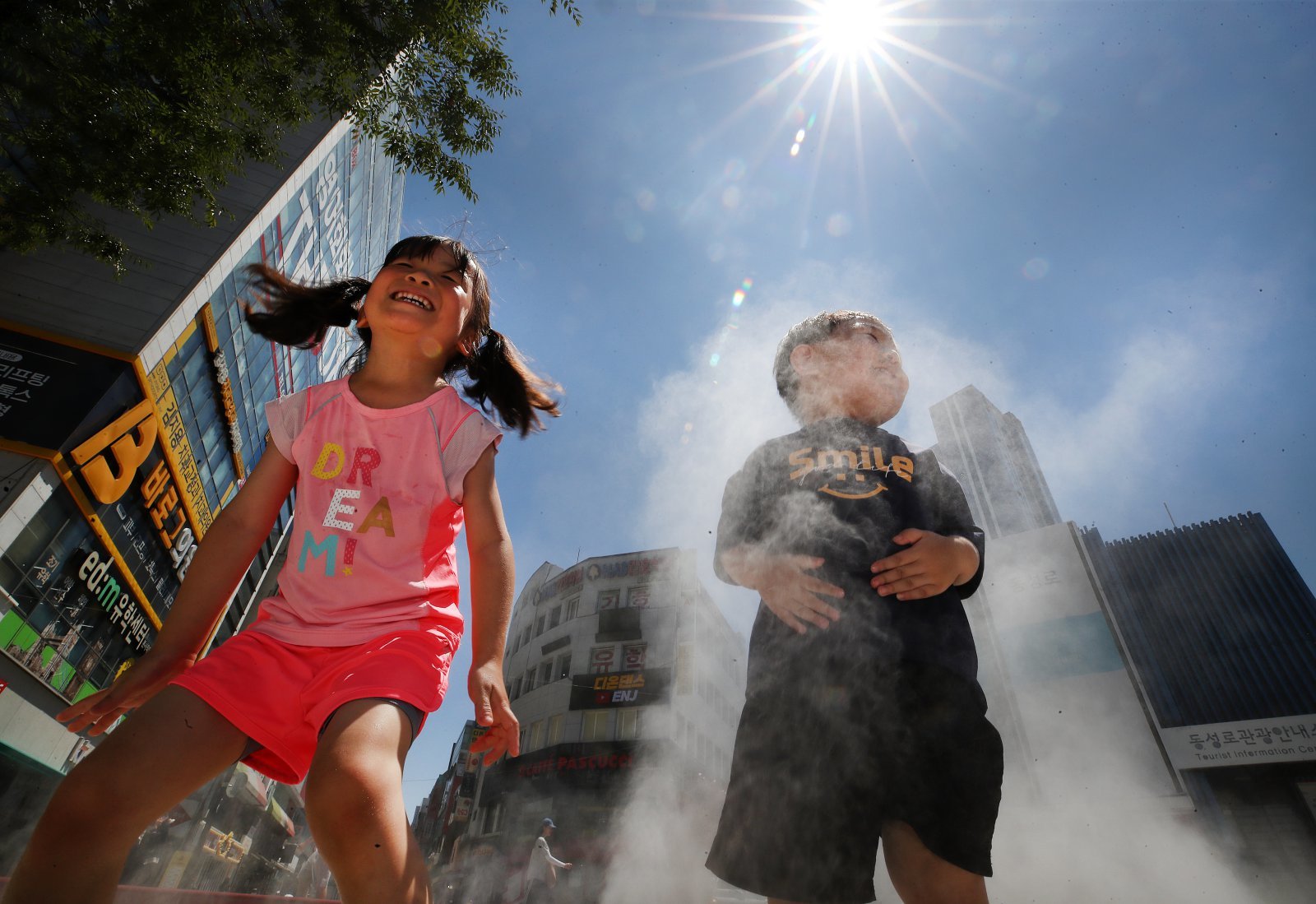

Seoul strengthens water monitoring as Han River heats up amid heatwave
Translated from Korean, summarized and contextualized by DistantNews.
At a glance
News
Sources not specified
Context piece
- Seoul is intensifying water quality monitoring and treatment due to rising Han River temperatures caused by a prolonged heatwave.
- Increased water temperatures can accelerate algae growth and the production of taste- and odor-causing substances.
- The city is enhancing its own taste and odor alert system and adjusting purification processes to remove these compounds.
Seoul is stepping up its monitoring and purification efforts for the Han River's water supply as prolonged heatwaves push water temperatures to concerning levels. The city reported that the average water temperature in July rose to 24 degrees Celsius, reaching a high of 29 degrees Celsius by August 5.
These elevated temperatures create favorable conditions for the proliferation of algae. As algae multiply, they can release substances that cause earthy or moldy tastes and odors in the water. While a legal algae alert system exists, Seoul also operates its own independent alert system for taste and odor compounds like 2-MIB and geosmin.
The city's response includes increasing the frequency of raw water testing at nine key locations along the Han River. Depending on the alert level – 'interest,' 'caution,' or 'warning' – testing will increase from weekly to daily or even twice daily. To combat the taste and odor issues, Seoul is enhancing its water treatment processes by increasing the use of ozone and activated carbon.
In addition to taste and odor concerns, the high water temperatures also promote the growth of small aquatic organisms, which are typically more active during warmer months from May to September. To address this, Seoul plans to increase ozone dosage during purification and shorten the backwashing cycle for activated carbon filters. These measures aim to ensure the removal of any remaining small organisms before the water is supplied to citizens.
With forecasts suggesting the heatwave may continue, Seoul's water authorities are maintaining a state of readiness. They will operate a tiered response system, adjusting water quality management based on real-time changes in the river's condition. This proactive approach is crucial as the city strives to provide safe and palatable drinking water, known as Arisu, despite the environmental challenges posed by the ongoing heat.
DistantNews Editorial
Originally published by Hankyoreh in Korean. Translated, summarized, and contextualized by our editorial team with added local perspective. Read our editorial standards.
More Stories


From Our Blog

What Gets Lost (and Found) When News Is Translated

The Critical Role of Diaspora Media in Global News

What Travellers Should Know About Countries with Restricted Press

A Digital Nomad's Guide to Following Local News

How the Same Story Looks Different in Different Countries
