


Sharp Temperature Swings in South Korea Raise Alarms for Cardiovascular Health
Translated from Korean, summarized and contextualized by DistantNews.
TLDR
- Large daily temperature fluctuations, around 15 degrees Celsius, increase the risk of cardiovascular diseases like myocardial infarction and angina.
- A 1-degree Celsius rise in daily temperature difference is associated with a 0.58% increase in total mortality and a 0.81% increase in circulatory disease mortality.
- Individuals with existing cardiovascular conditions or risk factors should exercise extra caution during periods of significant temperature variation, especially avoiding strenuous outdoor activities in polluted or cold weather.
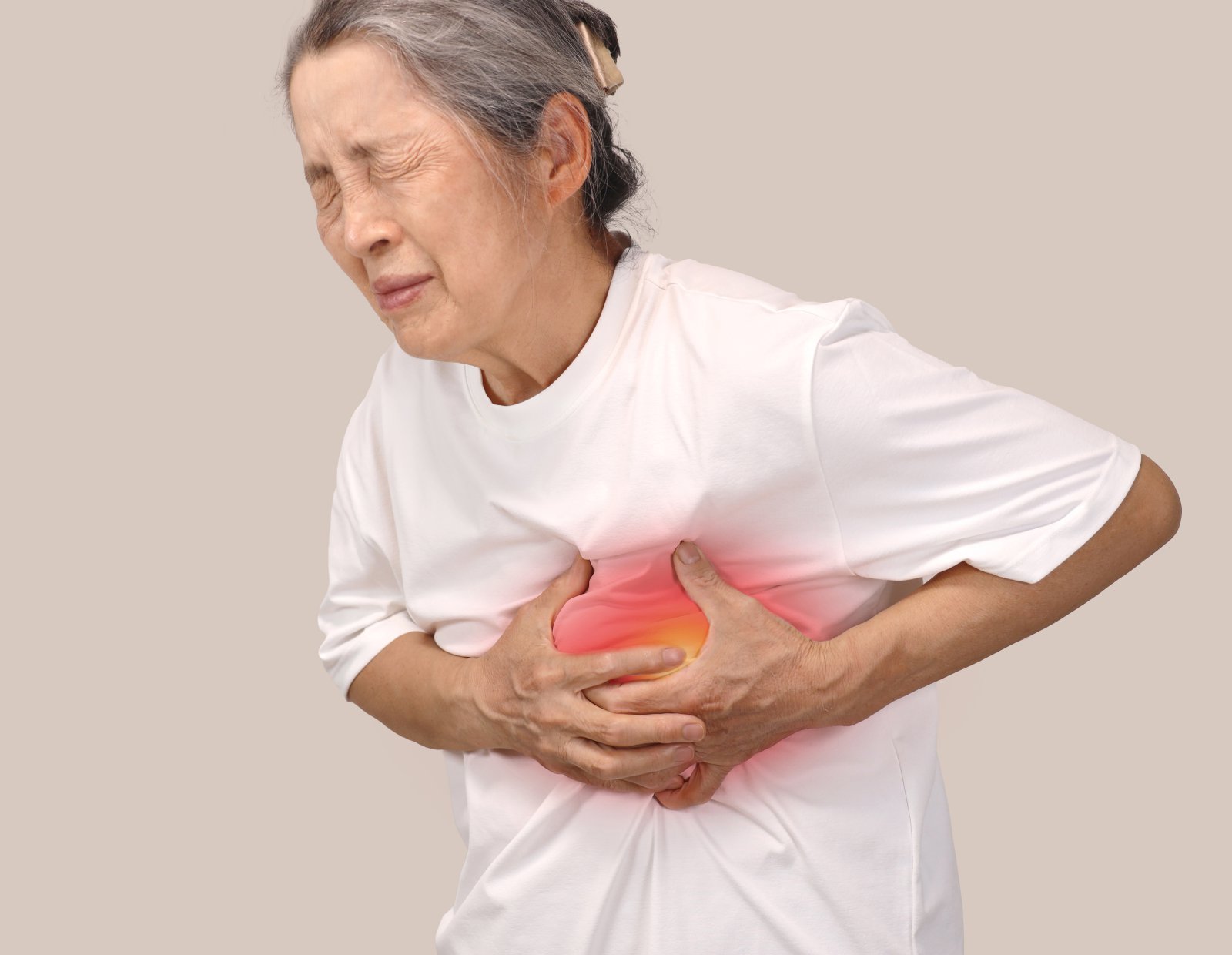
As spring unfolds, South Korea is experiencing significant temperature swings, with daily highs and lows differing by as much as 15 degrees Celsius. This dramatic fluctuation, while seemingly a natural part of the season, poses a serious threat to public health, particularly concerning cardiovascular well-being. Medical experts are issuing urgent warnings about the heightened risk of heart attacks and angina, conditions directly linked to the narrowing or blockage of arteries that supply blood to the heart.
The science behind this phenomenon is clear: such temperature variations cause blood pressure to fluctuate unpredictably, placing immense strain on the cardiovascular system. Research from Seoul National University's Graduate School of Public Health indicates a stark correlation: for every 1-degree Celsius increase in the daily temperature range, overall mortality rises by 0.58%, with circulatory disease deaths increasing by 0.81%. This means the current 15-degree swings could elevate mortality risks significantly, underscoring the severity of the situation.
For those with pre-existing heart conditions, hypertension, or diabetes, these conditions are particularly perilous. The risk of acute myocardial infarction, a sudden and often fatal event where coronary arteries become completely blocked, is elevated. Doctors emphasize that symptoms like chest pain, shortness of breath, and cold sweats, even if seemingly mild, should not be dismissed. Prompt medical attention is crucial, as rapid response can be life-saving and significantly improve patient outcomes.
Beyond individual health, the article also touches upon broader public health considerations. Sudden strenuous outdoor activities in spring can exacerbate the imbalance between oxygen demand and supply, further burdening the heart. Exposure to air pollution, especially on days with high fine dust concentrations or yellow dust, increases cardiovascular risk. Therefore, staying indoors during such conditions and dressing in layers to adapt to temperature changes are recommended. Avoiding early morning or late evening exercise, when blood pressure is most unstable, and prioritizing daytime activities is advised. Furthermore, quitting smoking and moderating alcohol consumption are essential lifestyle changes to mitigate these risks.
DistantNews Editorial
Originally published by Dong-A Ilbo in Korean. Translated, summarized, and contextualized by our editorial team with added local perspective. Read our editorial standards.
More Stories


From Our Blog

What Gets Lost (and Found) When News Is Translated

The Critical Role of Diaspora Media in Global News

What Travellers Should Know About Countries with Restricted Press

A Digital Nomad's Guide to Following Local News

How the Same Story Looks Different in Different Countries
