


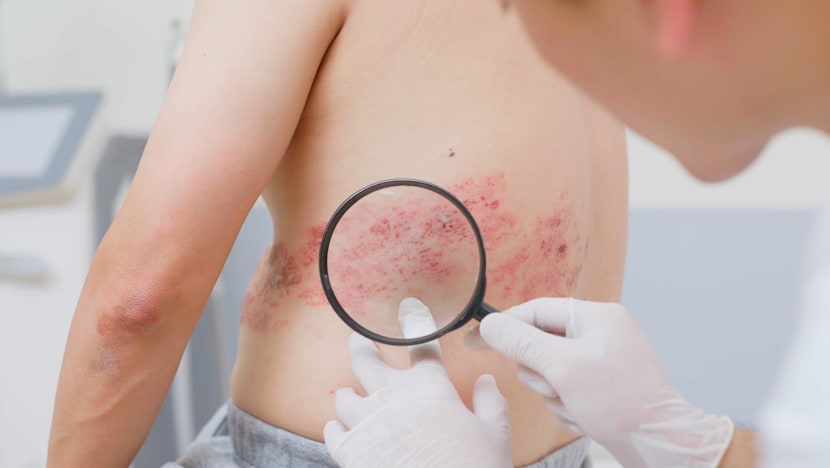
Shingles Vaccine Linked to Fewer Heart Attacks and Strokes, Study Suggests
Translated from English, summarized and contextualized by DistantNews.
TLDR
- A study presented at the American College of Cardiology's Annual Scientific Session suggests the shingles vaccine may reduce cardiac events in individuals with heart disease.
- Analysis of over 246,000 adults with atherosclerotic heart disease showed vaccinated individuals had significantly lower rates of heart attack, stroke, and heart failure.
- Researchers noted that vaccinated individuals were 46% less likely to suffer any major adverse cardiac event and 66% less likely to die from any cause, with potentially greater effects in high-risk populations.
A recent study presented at the American College of Cardiology's Annual Scientific Session has brought intriguing findings regarding the shingles vaccine, Shingrix or Zostavax. While primarily known for preventing the painful rash caused by the varicella-zoster virus, the research suggests a potential secondary benefit: a significant reduction in major cardiac events among individuals with existing heart disease. This is a development that warrants attention, especially for the vulnerable population it targets.
The study, which analyzed the medical reports of over 246,000 adults with atherosclerotic heart disease, found that those who had received at least one dose of the shingles vaccine experienced considerably fewer adverse cardiac events over the following year. Specifically, the vaccinated group showed a 32% lower likelihood of heart attack, a 25% lower chance of stroke, and a 25% reduced risk of developing heart failure. The overall reduction in major adverse cardiac events was 46%, and remarkably, a 66% decrease in mortality from any cause.
The researchers also noted that “vaccinated individuals were 46 per cent less likely to suffer any major adverse cardiac event, and 66 per cent less likely to die from any cause”.
Lead author Dr. Robert Nguyen highlighted that these protective effects might be even more pronounced in the highest-risk cardiovascular patient group. This raises important questions about how this information should be integrated into cardiac care protocols. While the findings are promising, it's crucial to understand the mechanisms behind this observed correlation and whether the vaccine can be considered a complementary strategy rather than a replacement for established cardiac treatments. Further research and clinical guidance will be necessary to clarify its role.
From a public health perspective in Singapore, where preventative healthcare is highly valued, these findings could have significant implications. While the primary recommendation for the shingles vaccine is for seniors aged 60 and above to prevent the debilitating effects of shingles and its complication, postherpetic neuralgia, this potential cardiovascular benefit adds another layer of importance. It underscores the interconnectedness of various health conditions and the potential for seemingly unrelated interventions to offer broader protection. As we continue to emphasize wellness and proactive health management, understanding such novel associations becomes increasingly vital.
Looking at the highest risk population, those with existing cardiovascular disease, these protective effects might be even greater than among the general public.
DistantNews Editorial
Originally published by CNA in English. Translated, summarized, and contextualized by our editorial team with added local perspective. Read our editorial standards.
More Stories



From Our Blog

What Gets Lost (and Found) When News Is Translated

The Critical Role of Diaspora Media in Global News

What Travellers Should Know About Countries with Restricted Press

A Digital Nomad's Guide to Following Local News

How the Same Story Looks Different in Different Countries
