


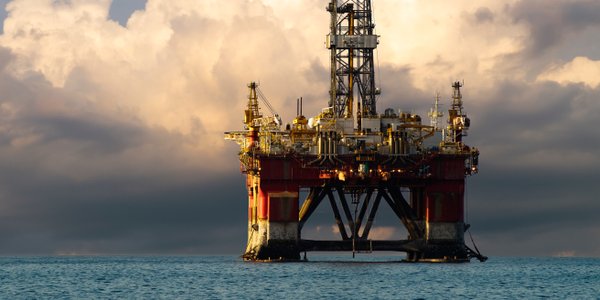

Shipping lines call container terminals strategic assets as port congestion worsens
Translated from Polish and summarized by DistantNews. Read the original for the full story.
At a glance
Analysis
Named sources
Context piece
- Port congestion in China, especially at Ningbo and Shanghai, left ships waiting more than 10 days after Typhoon Saudel and pushed anchored container capacity to 3.92 million tons, or 11.4% of global fleet capacity.
- Executives from MSC, Hapag-Lloyd, Maersk and CMA CGM say structural congestion requires greater investment in ports, rail, roads and other inland infrastructure.
- Major shipping groups are expanding terminal holdings, including a planned $1.7 billion terminal in Da Nang and MSC’s investment partnership with Hamburg’s HHLA.
Container terminals are becoming much more than points where cargo changes hands. As congestion worsens, the world’s largest shipping companies increasingly see them as strategic assets that can protect operations and make trade routes more reliable.
The pressure was especially visible in China at the start of September. Linerlytica reported that ships waiting to enter the ports of Ningbo and Shanghai faced delays of more than 10 days after Typhoon Saudel. By the end of the year’s 35th week, vessels waiting offshore represented 3.92 million tons of container capacity, or 11.4% of the global container fleet. Less than two weeks earlier, ships at anchor accounted for just under 7% of global capacity.
MSC Chief Executive Søren Toft described port congestion as a central problem for the container transport system. Adding more ships will not solve it, he argued, if ports cannot handle them efficiently. The result would simply be longer queues outside terminals.
Largely structural
Other industry leaders also see a problem that may not disappear quickly. Hapag-Lloyd Chief Executive Rolf Habben Jansen said much of the congestion at major ports was “largely structural” and could remain for several years. Maersk Chief Executive Vincent Clerc called for more investment in ports, railways, roads and other inland infrastructure as supply-chain bottlenecks increasingly move onto land.
CMA CGM Chairman and Chief Executive Rodolphe Saadé said terminals are becoming “increasingly strategic assets.” He said they help maintain operational continuity, strengthen trade corridors and give customers more reliable services. Companies are responding with major investments. APM Terminals, owned by Maersk and Hapag-Lloyd, plans to raise capacity at key transshipment hubs by 30%. With Vietnam’s Hateco, it is building the Lien Chieu container terminal in Da Nang, an investment worth more than $1.7 billion with planned annual capacity above 5.7 million TEU.
Maersk reported 55 terminals in the second quarter of 2026, including 29 consolidated entities. Its terminals division generated $458 million in EBIT, a 31.6% EBIT margin and a 14.8% rolling 12-month return on invested capital. MSC’s Terminal Investment Limited operates in more than 70 container terminals, including projects under development. MSC also partnered with Hamburg, which retains a 50.1% stake in HHLA while MSC holds 49.9%. The two shareholders agreed to contribute 450 million euros for future investment, while MSC committed to increasing cargo volumes at HHLA terminals.
Increasingly strategic assets
About this summary
Originally published by Rzeczpospolita in Polish. Translated, summarized, and contextualized automatically by DistantNews, with a note on how the source frames the story. Not individually reviewed before publishing. How this works.
More Stories
From Our Blog

News in Translation: What Gets Lost, and How We Keep the Framing

Diaspora Media: How Communities Follow News From Home

Traveling Where the Press Is Not Free: How to Read the News There

The Digital Nomad's Guide to Local News

The Same Story, Different Countries: How Coverage Changes at the Border
