

Shopping Malls Must Keep Pace With the Times
Translated from Polish and summarized by DistantNews. Read the original for the full story.
At a glance
News
Named sources
Context piece
- Polish shopping centers, totaling 15.85 million square meters of retail space, are transforming into multi-functional hubs that offer more than just shopping.
- Key attractions for consumers, particularly those aged 18-24, include dining, entertainment, leisure areas, and events, alongside traditional retail offerings.
- Malls are increasingly integrating with local communities by hosting cultural, sports, and charity events, while also focusing on convenience, omnichannel strategies, and adapting to the rise of smaller retail parks.
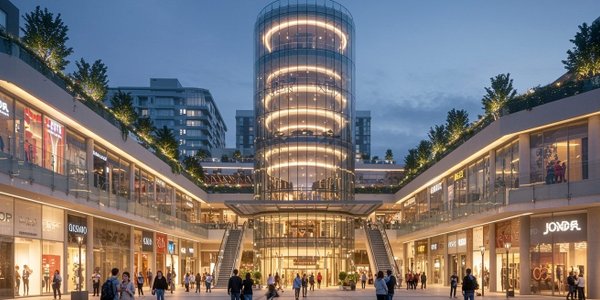
Shopping malls across Poland, encompassing 15.85 million square meters of retail and commercial space, are undergoing a significant transformation. While Warsaw, the Silesian agglomeration, and the Tricity area hold the largest share of this space, new developments are increasingly focusing on retail parks in smaller towns. This shift reflects a broader trend where malls are evolving from purely transactional spaces into experiential destinations.
Shopping malls have ceased to be solely a place for shopping. They have become a space for spending time, meeting, and using various services. The retail offer is still the most important, but shopping center customers want something more: good gastronomy, entertainment, relaxation areas, interesting events.
According to Anna Wysocka, head of the commercial department at CBRE, shopping centers are no longer just about purchasing goods. They are becoming vibrant spaces for spending time, socializing, and accessing various services. While retail remains central, consumers, especially the 18-24 age group, are drawn to enhanced offerings such as quality gastronomy, entertainment options like cinemas, fitness clubs, and engaging events. For this demographic, dining and entertainment are significant reasons for visiting a mall, with a notable percentage attending events.
Wysocka also highlighted that fundamental factors like location, a wide product selection, ample parking, and convenient opening hours remain crucial. However, the overall atmosphere, aesthetic appeal, availability of amenities like Wi-Fi and charging stations, and even coworking spaces are becoming increasingly important. The modern mall must provide a well-curated mix of offerings and convenience, giving customers compelling reasons to visit beyond just shopping. The integration of online and offline shopping experiences through omnichannel strategies is also a critical focus.
Of course, one cannot forget the basics. Our research shows that location, a wide offer, parking are very important for customers, they also pay attention to the opening hours of the center.
Furthermore, shopping centers are deepening their connection with local communities by hosting a variety of events, including cultural, sports, and family gatherings, as well as charity drives and educational initiatives. These activities not only boost the mall's image but also foster stronger relationships with customers, making the centers integral parts of their local fabric. Experts emphasize that these evolving entities must continuously adapt to changing consumer needs to remain competitive in a market increasingly influenced by smaller, convenience-oriented retail parks.
Shopping centers are living organisms that must constantly evolve, following customer needs. In the current reality of high surface saturation and the still dynamic expansion and growing popularity of convenience retail parks in smaller towns, traditional galleries are undergoing or will have to undergo transformation.
About this summary
Originally published by Rzeczpospolita in Polish. Translated, summarized, and contextualized automatically by DistantNews, with a note on how the source frames the story. Not individually reviewed before publishing. How this works.
More Stories

From Our Blog

What Gets Lost (and Found) When News Is Translated

The Critical Role of Diaspora Media in Global News

What Travellers Should Know About Countries with Restricted Press

A Digital Nomad's Guide to Following Local News

How the Same Story Looks Different in Different Countries
