


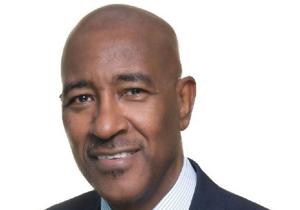
Short-term gains, long-term risks: Trinidad and Tobago's economic balancing act
Translated from English, summarized and contextualized by DistantNews.
TLDR
- The Trinidad and Tobago government faces the challenge of balancing immediate political realities with long-term economic sustainability.
- One year into its term, the administration has taken decisive actions to stabilize the economy.
- The core issue is ensuring that short-term stability does not create future vulnerabilities.
The Trinidad and Tobago government, now one year into its term, is navigating a complex landscape where immediate political imperatives must be reconciled with the imperative of long-term economic health. As highlighted in the Trinidad Express, the administration has made significant strides in stabilizing the economy, a crucial task given the nation's reliance on energy revenues and its susceptibility to global market fluctuations. The challenge, however, lies not just in achieving stability but in ensuring that the measures taken today do not sow the seeds of future crises.
Governance, in essence, is about this delicate balancing act. The "short-term gains" mentioned in the headline refer to the immediate positive effects of the government's policies, which likely aim to boost public confidence and address pressing economic concerns. These could include fiscal adjustments, targeted subsidies, or efforts to diversify the economy away from its traditional energy base. Such actions are often politically expedient, providing tangible benefits that resonate with the populace and bolster the government's standing.
However, the "long-term risks" are the potential unintended consequences of these short-term fixes. For instance, unsustainable spending, even if aimed at immediate relief, can lead to increased national debt or inflationary pressures down the line. Similarly, policies that favor certain sectors or groups for political reasons might stifle broader economic innovation or create market distortions. The article implicitly calls for a forward-thinking approach, one that prioritizes sustainable growth and resilience over quick political wins.
From a Trinidadian perspective, this narrative resonates deeply. The nation has experienced the boom-and-bust cycles of the energy sector, understanding firsthand the dangers of over-reliance and the need for prudent economic management. The government's task is to build a diversified, robust economy that can withstand external shocks. The challenge is amplified by the political realities of governing – the need to deliver results to voters, manage competing interests, and maintain public support. The Express, as a key voice in the nation's discourse, frames this as the central test of the current administration: can it secure immediate stability without mortgaging the country's future?
DistantNews Editorial
Originally published by Trinidad Express in English. Translated, summarized, and contextualized by our editorial team with added local perspective. Read our editorial standards.
More Stories
From Our Blog

What Gets Lost (and Found) When News Is Translated

The Critical Role of Diaspora Media in Global News

What Travellers Should Know About Countries with Restricted Press

A Digital Nomad's Guide to Following Local News

How the Same Story Looks Different in Different Countries
