


Signal to 'Deploy'... The 'Mosquito Fleet' Controlling Hormuz
Translated from Korean, summarized and contextualized by DistantNews.
TLDR
- Iran's 'mosquito fleet' of small, fast boats poses a significant threat in the Strait of Hormuz, according to the Financial Times.
- These boats, often hidden along the coast, can swarm and harass vessels, especially when combined with Iran's missile and drone capabilities.
- While the US has downplayed the threat, experts believe the fleet is a key element of Iran's asymmetric warfare strategy and could disrupt shipping lanes.
The strategic waters of the Strait of Hormuz remain a critical chokepoint, and Iran's asymmetric naval tactics, particularly its 'mosquito fleet,' continue to be a focal point of international concern. As reported by the Financial Times, this swarm of hundreds of small, high-speed boats, often concealed along Iran's southern coastline, represents a persistent threat. These vessels are designed to mobilize rapidly upon receiving a signal, overwhelming larger ships and potentially disrupting vital maritime traffic.
The 'mosquito fleet' of hundreds of small, high-speed boats, hidden along Iran's southern coastline, poses a threat in the Strait of Hormuz.
While some analysts, including those quoted by Dong-A Ilbo, suggest that individual boats may not pose a critical threat to modern naval warships or large tankers, their true danger lies in their integration with Iran's missile and drone capabilities. This combination transforms a seemingly minor force into a significant factor in regional security. The Iranian Revolutionary Guard Corps (IRGC) reportedly operates between 500 to 1,000 such armed speedboats, a testament to their strategic importance in Tehran's defense doctrine.
Experts believe that while individual boats may not be a serious threat to US warships, their combination with IRGC's missile and drone capabilities makes them a significant danger.
From our perspective in South Korea, the situation in the Strait of Hormuz is a complex geopolitical puzzle. The United States, despite deploying a significant naval presence, has struggled to fully neutralize this threat, with former President Trump notably dismissing the danger posed by these small craft. However, experts emphasize that Iran's strategy is not about direct confrontation but about creating instability and leveraging its geographical advantage. The IRGC's ability to disrupt shipping, even with minimal force, underscores the vulnerability of global trade routes. The persistence of the mosquito fleet, even after facing losses, highlights Iran's commitment to this asymmetric warfare model, posing a continuous challenge to maritime security and regional stability that demands careful monitoring.
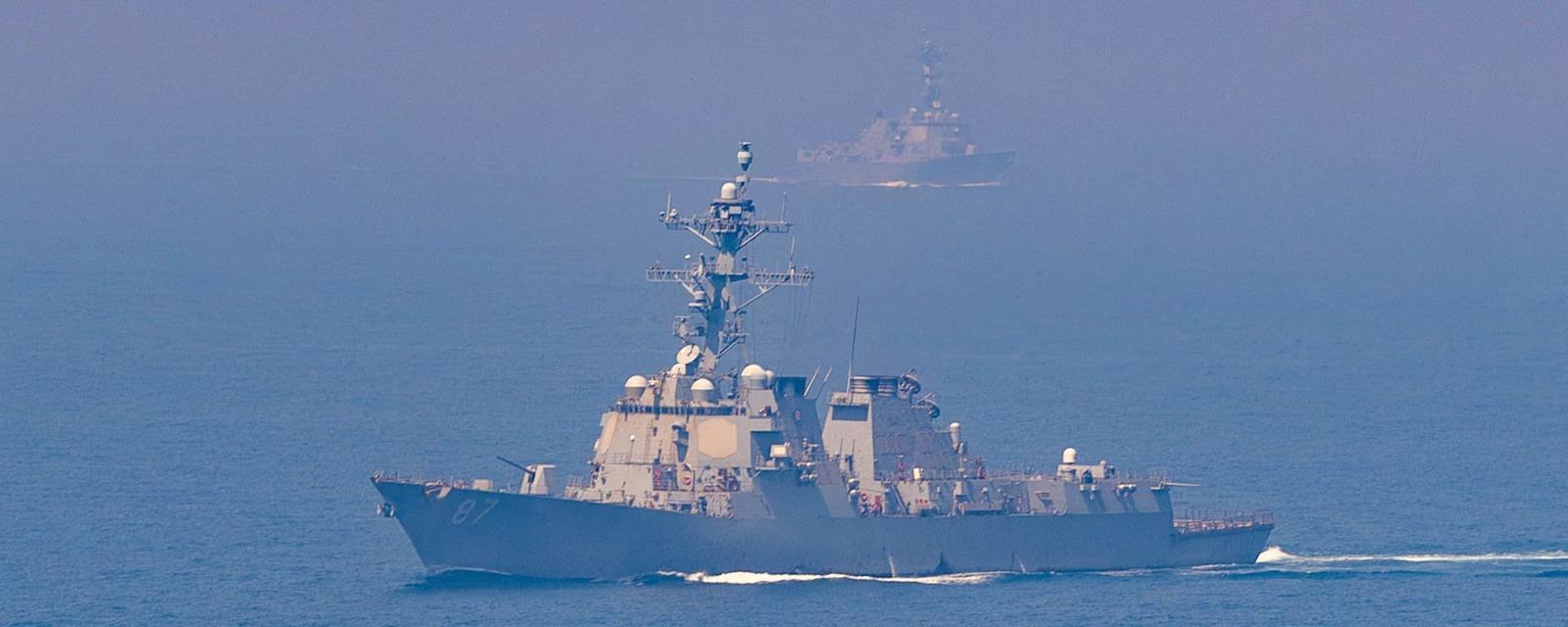
The US has deployed its largest fleet in decades to the Middle East but has failed to reopen the Strait of Hormuz.
DistantNews Editorial
Originally published by Dong-A Ilbo in Korean. Translated, summarized, and contextualized by our editorial team with added local perspective. Read our editorial standards.
More Stories


From Our Blog

What Gets Lost (and Found) When News Is Translated

The Critical Role of Diaspora Media in Global News

What Travellers Should Know About Countries with Restricted Press

A Digital Nomad's Guide to Following Local News

How the Same Story Looks Different in Different Countries
