

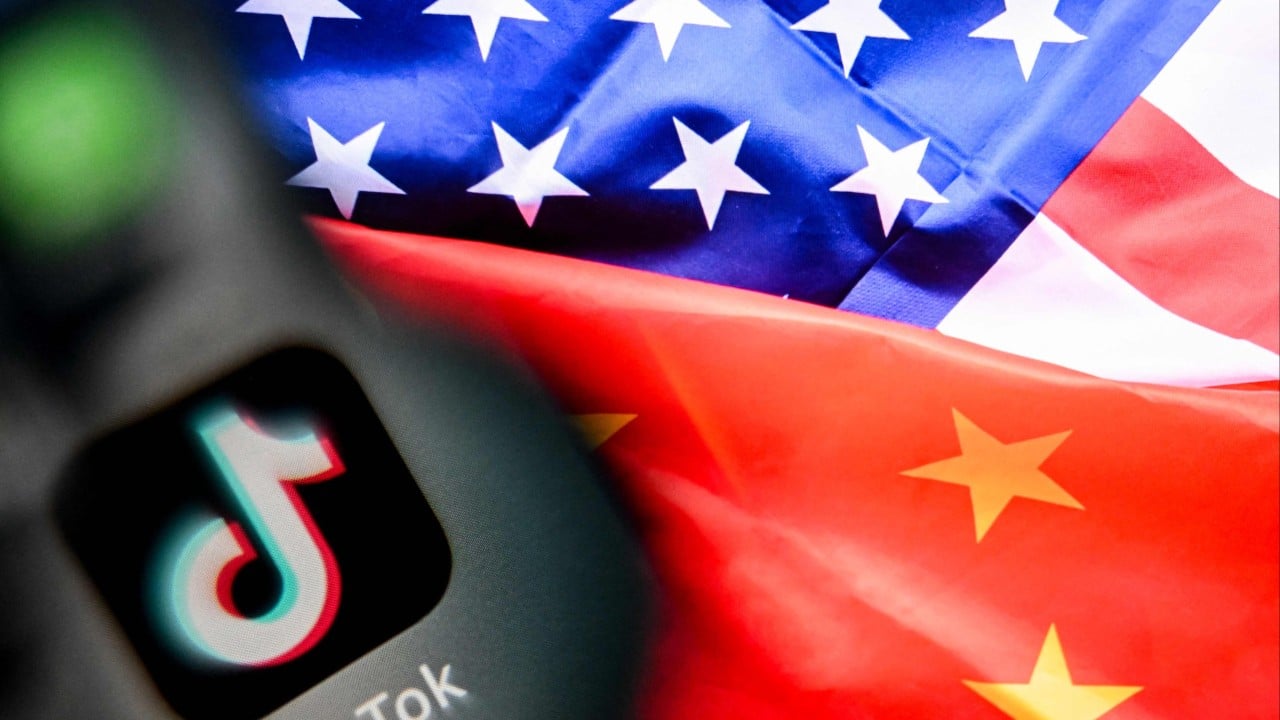
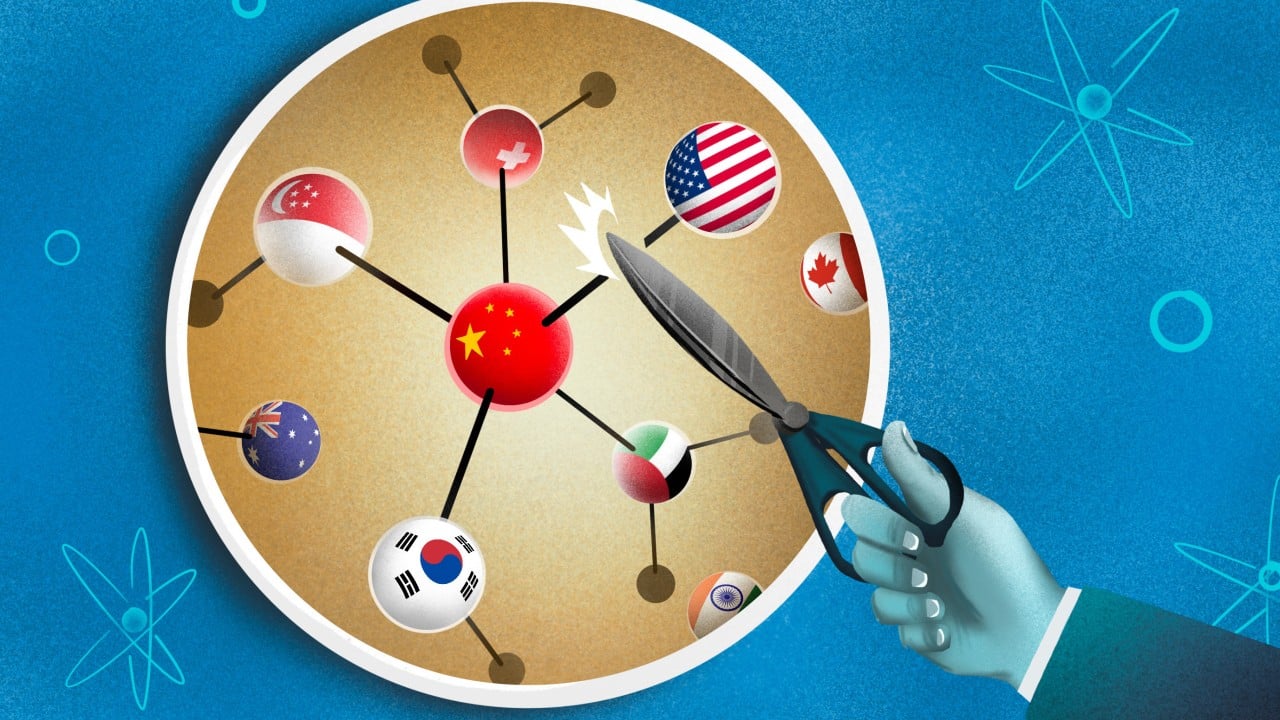
Singapore and South Korea eye science opportunities as last main US-China link shatters
Summarized and contextualized by DistantNews.
At a glance
News
Sources not specified
Context piece
- The US is tightening security-related restrictions on federally funded scientific collaborations with Chinese institutions.
- This move marks a significant step in reducing cooperation, which has been a durable link between the two countries.
- Singapore and South Korea are positioned to benefit from these shifts, potentially becoming intermediary research hubs.
The United States is implementing new security-related restrictions on federally funded scientific collaborations with Chinese institutions, signaling a significant reduction in cooperation between the two nations. This move targets scientific research, an area that has historically served as one of the most stable links in the US-China relationship.
Experts suggest these measures are unlikely to halt China's scientific progress but will reshape the landscape of international collaboration. The restrictions are creating opportunities for intermediary research hubs, potentially benefiting countries like Singapore and South Korea, while diminishing one of the most enduring channels of bilateral engagement.
The timing of these restrictions is notable, coinciding with upcoming summit talks between President Xi Jinping and Donald Trump aimed at managing an increasingly adversarial relationship. Despite the US-China Science and Technology Agreement being quietly renewed in late 2024, the practical space for collaboration is shrinking due to an expanding web of funding restrictions, blacklists, and security rules.
For diplomats involved in managing US-China ties for decades, this shift represents more than just science policy; it signifies the erosion of one of the few long-standing areas of common interest between the two global powers.
DistantNews Editorial
Originally published by South China Morning Post. Summarized and contextualized by our editorial team with added local perspective. Read our editorial standards.
More Stories

From Our Blog

Countries Without a Free Press: What You Need to Know

What Press Freedom Means for the News You Read

What Gets Lost (and Found) When News Is Translated

The Critical Role of Diaspora Media in Global News

What Travellers Should Know About Countries with Restricted Press
