

Slovakia May Be Brussels' Next Target Amid Anti-Corruption Reform Criticism
Translated from Hungarian, summarized and contextualized by DistantNews.
TLDR
- The European Parliament has criticized Slovakia's plans to abolish specialized anti-corruption bodies like NAKA and reform whistleblower protection, fearing politicization.
- Concerns were raised about a potential €1.225 million reduction in EU funding due to an OLAF recommendation and alleged fraud related to EU-funded pensions linked to government-affiliated figures.
- Slovak MEPs from the ruling and opposition parties opposed the resolution, arguing it would harm citizens, not the government, though the Parliament's decision is non-binding.
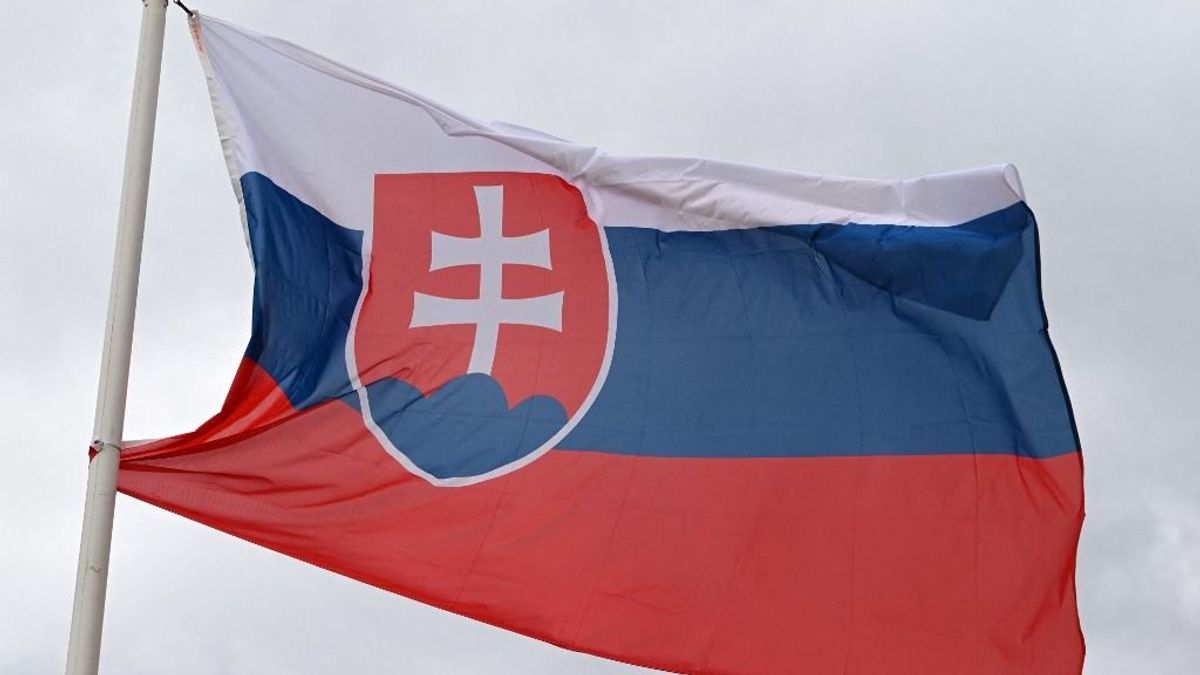
Brussels is once again turning its attention to Slovakia, this time with criticism leveled at the government's proposed reforms of its anti-corruption apparatus. The European Parliament has voiced significant concerns over plans to dismantle key institutions such as the National Criminal Agency (NAKA) and the Special Prosecutor's Office, alongside changes to whistleblower protection, which MEPs fear could lead to the politicization of justice.
This scrutiny extends to financial matters, with the Parliament noting a previous reduction of €1.225 million in EU funds following an OLAF recommendation. Allegations of fraud involving EU-subsidized pensions, reportedly linked to individuals close to the current government, further complicate the situation. Adding to the tension, Slovak officials are accused of threatening MEPs during a parliamentary oversight visit to Bratislava.
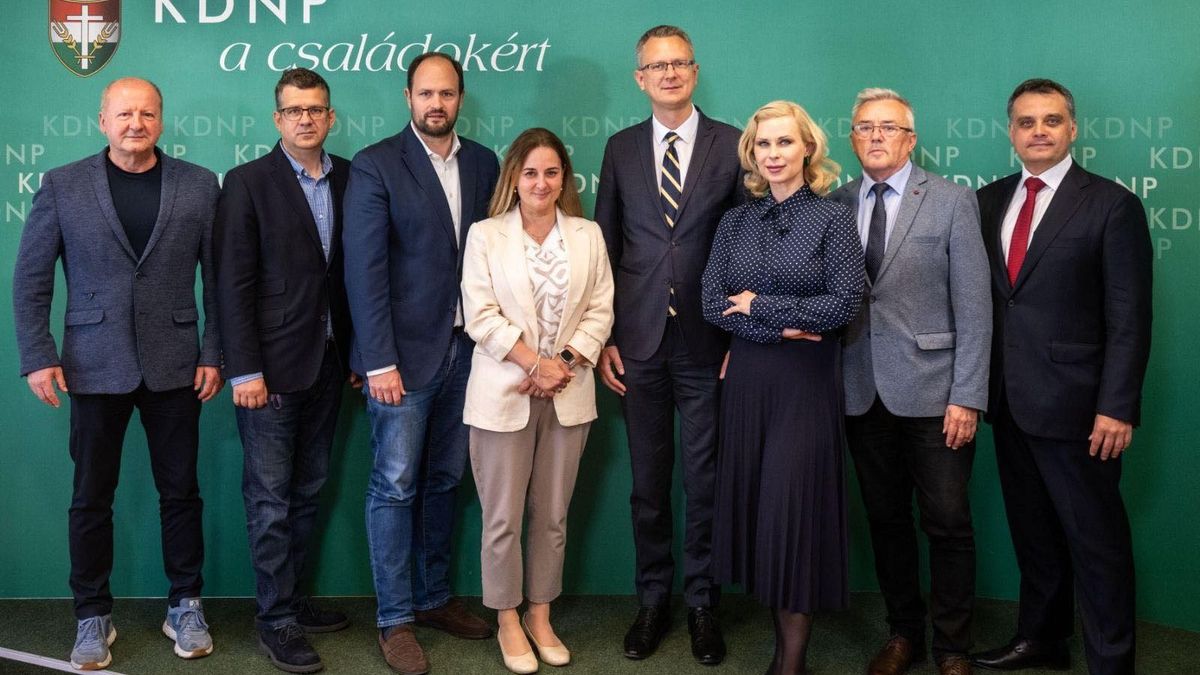
While the European Parliament's resolution is a political signal rather than a binding decision, it puts Slovakia under a spotlight. The Slovak government, particularly the ruling Hlas-SD party and some opposition members like KDH, have pushed back, arguing that such measures would unfairly penalize ordinary citizens. However, from Brussels' perspective, these reforms are seen as a potential step backward in Slovakia's fight against corruption and adherence to EU standards. This situation is particularly sensitive for Slovakia, as it navigates its relationship with the EU while implementing domestic policy changes that are perceived internationally as undermining the rule of law and anti-corruption efforts.
DistantNews Editorial
Originally published by Magyar Nemzet in Hungarian. Translated, summarized, and contextualized by our editorial team with added local perspective. Read our editorial standards.
More Stories
From Our Blog

Countries Without a Free Press: What You Need to Know

What Press Freedom Means for the News You Read

What Gets Lost (and Found) When News Is Translated

The Critical Role of Diaspora Media in Global News

What Travellers Should Know About Countries with Restricted Press
