



Slovenia Cuts Ministries, New Coalition Takes Shape
Translated from Croatian, summarized and contextualized by DistantNews.
TLDR
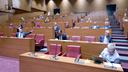
- Slovenia's parliament passed amendments to the Government Act, reducing the number of ministries from 19 to 14.
- The vote, supported by Janez Janša's SDS party and potential coalition partners, outlines a possible new coalition government.
- President Nataša Pirc Musar will not appoint a prime minister, leaving the selection process to the National Assembly due to a lack of trust among parties.
The recent parliamentary vote on amendments to the Government Act, which reduces the number of ministries from 19 to 14, marks a significant step in Slovenia's political landscape. The passage of these amendments, championed by Janez Janša's Slovenian Democratic Party (SDS) and supported by a coalition of NSi, SLS, Fokus, Demokrati, and Resnica, signals the potential formation of a new right-leaning government.
if the amendments to the law on the government are adopted, the SDS will send the starting points for negotiations on a coalition agreement to all parties that support them, on the basis of which a new government would be formed.
This development comes after President Nataša Pirc Musar's decision not to appoint a prime minister, citing a lack of mutual respect and trust among parliamentary parties during consultations. This move effectively passes the responsibility of selecting a prime minister to the National Assembly, a procedural shift that underscores the current political fragmentation.
While the SDS, along with its potential coalition partners, appears to have secured the necessary majority for a government, Janša has emphasized that the SDS will not form a government at any cost. This cautious stance suggests a strategic approach to coalition building, prioritizing stability and consensus over a hasty formation.
I will not give anyone a mandate to form a government because no one has the support of the majority, and I will leave the procedure for electing a prime minister to the National Assembly.
From our perspective at Večernji List, this situation highlights the complex dynamics of Slovenian politics. The reduction in ministries could streamline governance, but the underlying political divisions remain a challenge. The focus now shifts to whether these parties can translate their parliamentary support into a cohesive and functional governing coalition, a process that will be closely watched both domestically and internationally.
The SDS will not form a government at any cost.
DistantNews Editorial
Originally published by Večernji List in Croatian. Translated, summarized, and contextualized by our editorial team with added local perspective. Read our editorial standards.
More Stories


From Our Blog

What Gets Lost (and Found) When News Is Translated

The Critical Role of Diaspora Media in Global News

What Travellers Should Know About Countries with Restricted Press

A Digital Nomad's Guide to Following Local News

How the Same Story Looks Different in Different Countries
