


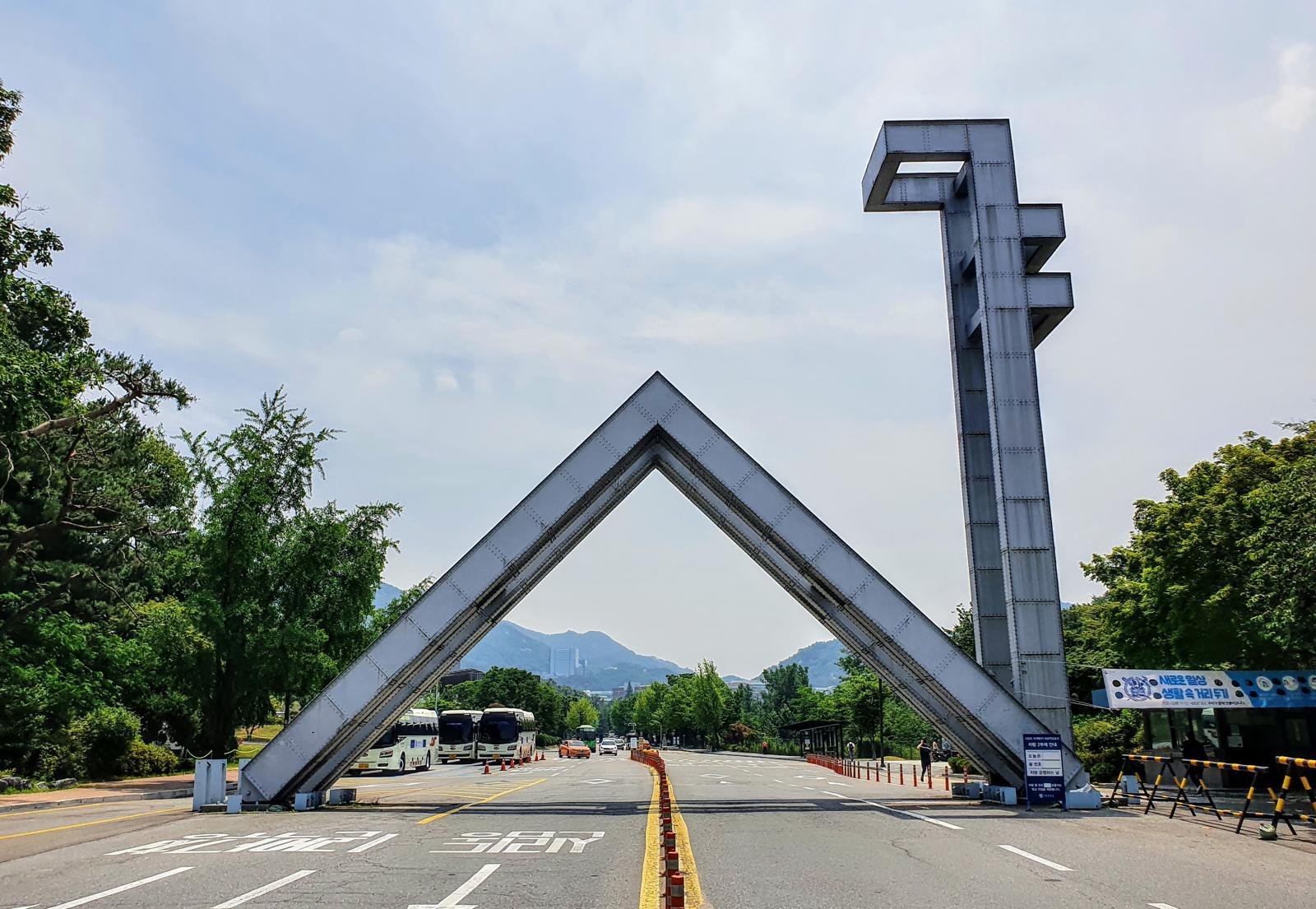
SNU Law Graduates' Presence in Prosecutor Ranks Dwindles to One Amidst Uncertainty
Translated from Korean, summarized and contextualized by DistantNews.
TLDR
- Only one graduate from Seoul National University Law School was appointed as a career prosecutor this year, a sharp decline from previous years.
- The proportion of new prosecutors from top SKY universities (Seoul National University, Korea University, Yonsei University) has fallen significantly since 2021.
- Analysts attribute the decline to uncertainty surrounding the prosecution service's future, including its planned abolition, leading to fewer law school graduates seeking careers as prosecutors.
The recent appointment of career prosecutors has revealed a striking shift in the recruitment landscape, with only one graduate from Seoul National University (SNU) Law School among the 48 appointed this year. This marks a dramatic decrease from previous years, where SNU graduates typically constituted 7-12% of new career prosecutors. The overall representation of graduates from the top three SKY universities (SNU, Korea University, Yonsei University) has also plummeted to just 12.5%, a stark contrast to the 24-32% seen since 2021.
This trend is occurring against the backdrop of significant institutional changes within the legal system, most notably the planned abolition of the Prosecutor's Office later this year. The uncertainty surrounding the future of the prosecution service appears to be deterring aspiring legal professionals. Despite the prosecution service facing a shortage of personnel, leading to a doubling of career prosecutor recruitment compared to the previous year, the appeal of becoming a prosecutor, particularly for graduates of elite law schools, has diminished.
Interviews with current law school students reveal a growing reluctance to pursue a career in prosecution. One third-year student from a Seoul law school noted that only 15 out of 100 students in a required "prosecution practice" course were enrolled, citing a general decline in the popularity of public service and specific anxieties about the prosecution's future. Another student from a SKY law school echoed these sentiments, suggesting that "prosecution reform" has created an unclear future for the profession, thus reducing applications.
From our perspective at Dong-A Ilbo, this development is more than just a statistical anomaly; it reflects a fundamental reevaluation of career paths within South Korea's legal field. While Western media might focus on the procedural aspects of prosecution reform, we see the human element – the impact on aspiring legal minds and the shifting perceptions of public service. The '검클빅' (geom-keul-big), once a coveted career path encompassing prosecutors, court clerks, and large law firm lawyers, is clearly becoming a relic of the past. This shift signals a broader societal trend where stability and perceived future prospects are increasingly prioritized over traditional, albeit prestigious, public sector roles, especially when those roles face existential uncertainty.
DistantNews Editorial
Originally published by Dong-A Ilbo in Korean. Translated, summarized, and contextualized by our editorial team with added local perspective. Read our editorial standards.
More Stories


From Our Blog

What Gets Lost (and Found) When News Is Translated

The Critical Role of Diaspora Media in Global News

What Travellers Should Know About Countries with Restricted Press

A Digital Nomad's Guide to Following Local News

How the Same Story Looks Different in Different Countries
