


South Korea debates 'solidarity wages' and basic income amid semiconductor boom
Translated from Korean, summarized and contextualized by DistantNews.
At a glance
News
Sources not specified
Context piece
- South Korean Labor Minister Kim Young-hoo proposed "Korean-style social solidarity wages" to address widening income gaps, suggesting adjustments to subcontracting prices as a practical measure.
- President Lee Jae-myung suggested exploring new alternatives like "basic income" funded by excess profits from booming industries.
- Experts propose various solutions, including industry-wide bargaining for minimum wages, utilizing secondary distribution mechanisms like taxes and solidarity funds, and expanding welfare programs with excess tax revenue.
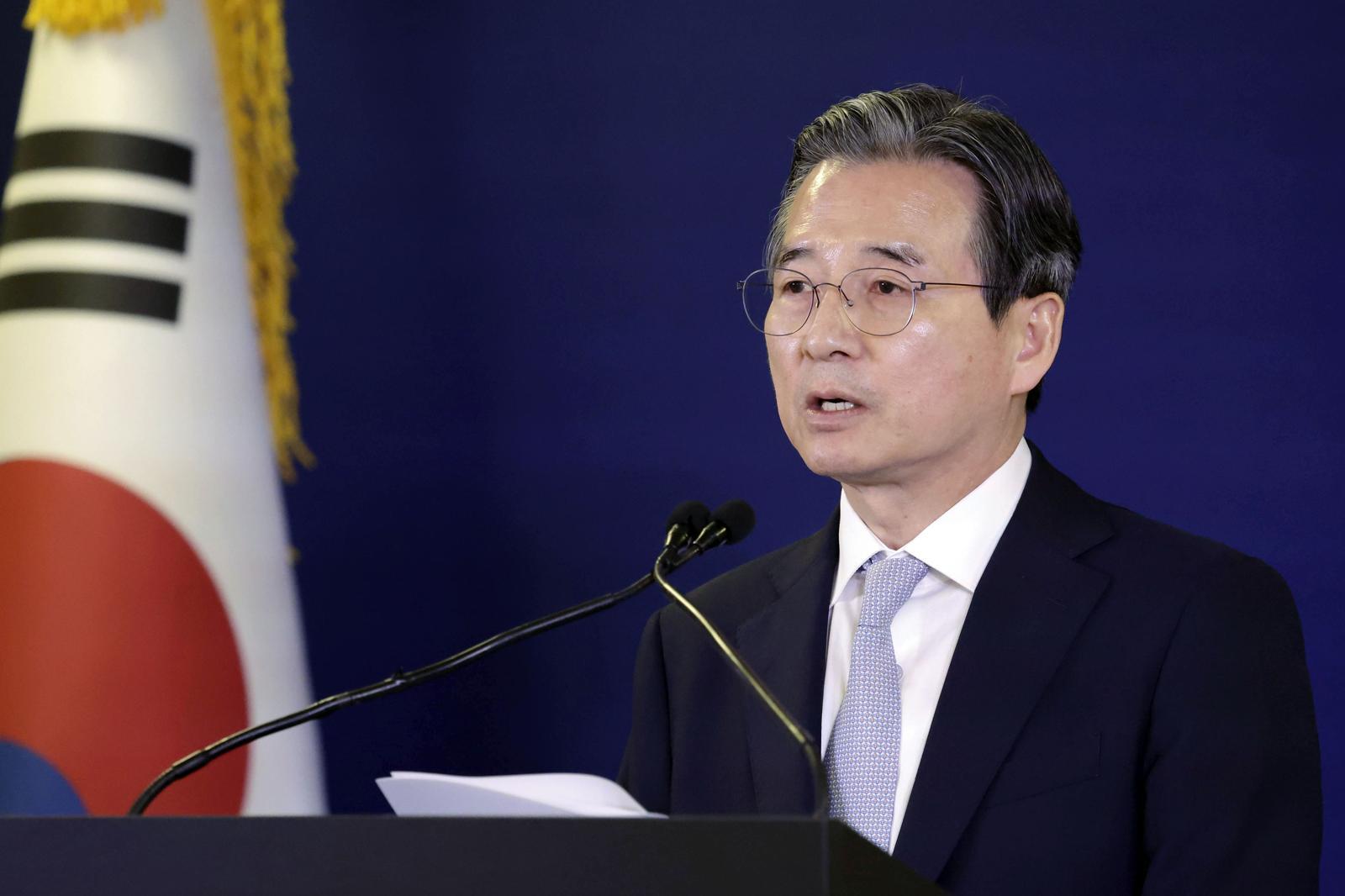
South Korea's Labor Minister, Kim Young-hoo, has advocated for "Korean-style social solidarity wages" to bridge the growing income disparity between workers, particularly in light of the semiconductor industry's booming performance. In a recent interview with Reuters, Kim suggested that adjusting subcontracting prices could be a practical way to ensure that small and medium-sized suppliers can invest in talent development. This concept is inspired by Sweden's "solidarity wage" model, which aims to reduce wage gaps within the same industry. While requiring social consensus to be implemented as policy, the minister's focus on subcontracting prices suggests a more realistic approach to achieving wage increases down the supply chain.
The widening gap between workers cannot be ignored, as it is the will of the sovereign people.
President Lee Jae-myung has also emphasized the need for innovative solutions beyond existing frameworks, pointing to "basic income" as a potential policy. In an interview with The Economist, Lee proposed using a portion of the excess profits generated by booming industries to fund basic income. He argued that the rise of industries creating substantial surplus profits necessitates a re-evaluation of current tax and distribution systems, and that basic income could be a highly effective policy option.
We must gather the wisdom of labor, management, and government to create a society where we can grow together through coexistence between primary contractors and subcontractors.
Experts are offering a range of perspectives on how to address the widening labor market polarization. Oh Min-kyu, a researcher at the Labor Problems Research Institute 'Haebang,' believes that the current system, which rewards only the top tier of the semiconductor supply chain, is problematic. He suggests that implementing industry-wide bargaining for a minimum wage applicable across the entire supply chain could effectively reduce wage gaps. Park Myung-jun, a senior research fellow at the Korea Labor Institute, recommends utilizing secondary distribution mechanisms, such as taxes and solidarity funds, to narrow the gap between primary contractors and subcontractors. Yoon Hong-sik, a professor of social welfare at Inha University, advocates for expanding welfare programs using excess tax revenue to strengthen the social safety net. Additionally, Jung Heung-joon, a business professor at Seoul National University of Science and Technology, proposes considering measures like earmarked taxes or funds to channel excess profits from industries like semiconductors into areas such as workforce development, education, and youth employment.
The rise of industries that generate enormous excess profits may require a re-examination of existing tax and distribution systems.
DistantNews Editorial
Originally published by Hankyoreh in Korean. Translated, summarized, and contextualized by our editorial team with added local perspective. Read our editorial standards.
More Stories
From Our Blog

What Gets Lost (and Found) When News Is Translated

The Critical Role of Diaspora Media in Global News

What Travellers Should Know About Countries with Restricted Press

A Digital Nomad's Guide to Following Local News

How the Same Story Looks Different in Different Countries
