



South Korea Eases Villa Construction Rules to Boost Housing Supply
Translated from Korean, summarized and contextualized by DistantNews.
At a glance
News
Named sources
New plan
- The South Korean government is easing regulations on multi-family and single-family homes (villas) to boost supply and stabilize the rental market.
- Measures include increasing the maximum building height to four stories and expanding construction funding.
- Experts believe this could help fill the gap before new apartments become available but caution that tax policies encouraging owner-occupancy might reduce existing rental stock.
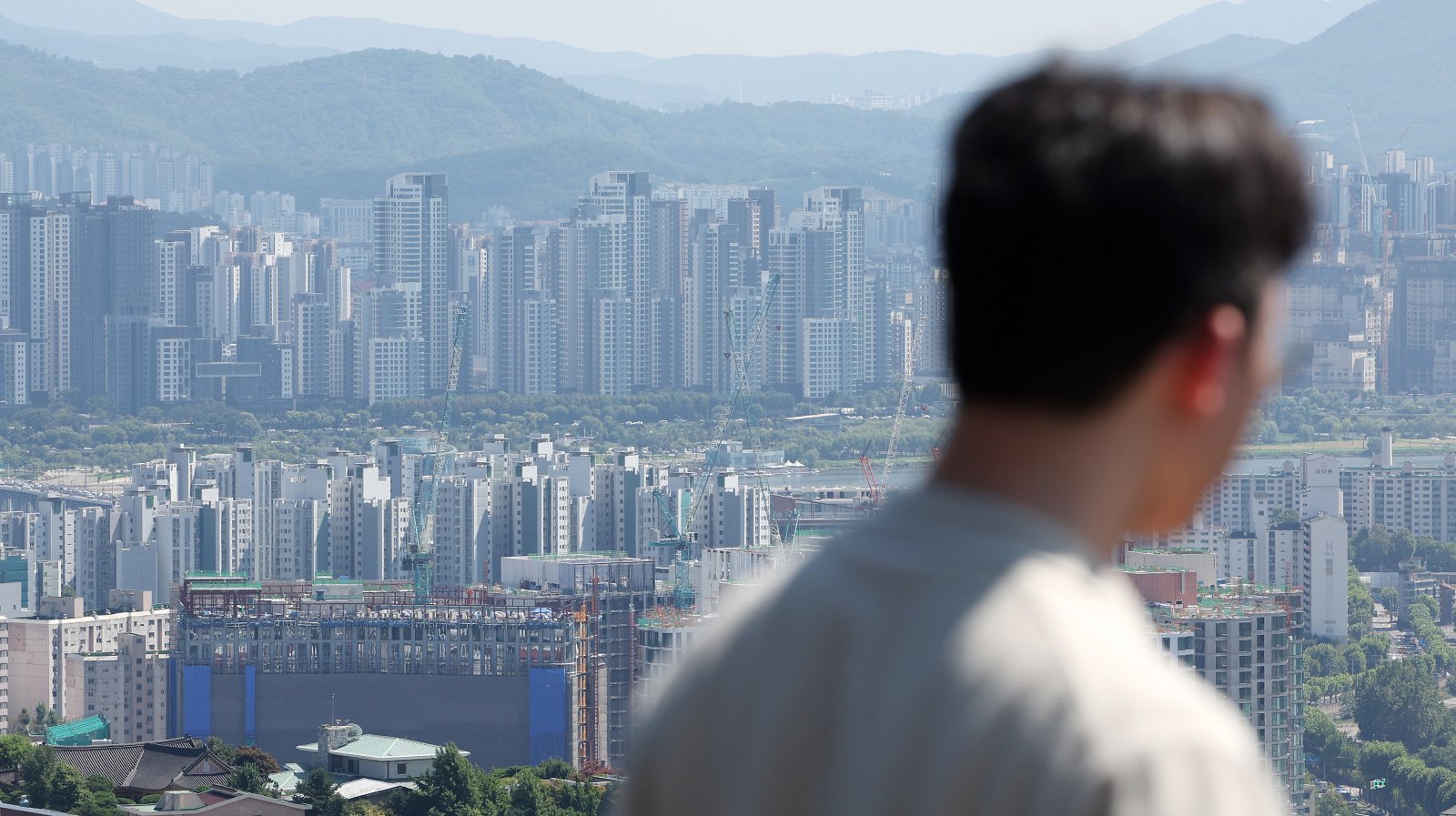
South Korea's government is significantly relaxing regulations on multi-family and single-family homes, commonly known as villas, to address anxieties in the 전월세 (jeonse and monthly rent) market. The aim is to accelerate the supply of these housing types, which can be built relatively quickly, to compensate for a supply gap before new apartment complexes are completed.
Key regulatory changes include increasing the permissible building height from three to four stories, potentially boosting the number of units per building by about 33%. The maximum construction area limit for these properties will also be raised from 660 square meters to under 1,000 square meters. Furthermore, the government is enhancing financial support for construction, increasing loan limits for villa construction from 70 million won to 90 million won and lowering interest rates from 3.5% to 3.2%.
The expansion of non-apartment housing supply is a short-term solution, so we shouldn't view it too negatively. Housing demand varies by individual, and we are seeing signs of recovery in non-apartment demand after the 전세 fraud incidents.
Experts view these relaxed regulations positively as a short-term measure to revitalize the non-apartment housing sector, which has struggled since the villa 전세 fraud crisis in 2022. Lee Eun-hyung, a researcher at the Korea Institute of Construction Policy, stated, "The expansion of non-apartment housing supply is a short-term solution, so we shouldn't view it too negatively. Housing demand varies by individual, and we are seeing signs of recovery in non-apartment demand after the 전세 fraud incidents."
Tax reforms that encourage owner-occupancy are likely to reduce the supply of apartments for rent. It will be difficult to stabilize the 전월세 market by only increasing non-apartment supply.
However, concerns remain about the overall impact on rental market stability. Critics point out that recent tax reforms aimed at encouraging owner-occupancy could lead to a reduction in the existing supply of apartments for rent. Go Jun-seok, a professor at Yonsei University, noted, "Tax reforms that encourage owner-occupancy are likely to reduce the supply of apartments for rent. It will be difficult to stabilize the 전월세 market by only increasing non-apartment supply."
Additional measures are suggested to further improve the supply conditions for new non-apartment housing. Some experts argue that deregulation should extend to existing villas and multi-family homes to facilitate smoother transactions and rentals. Nam Hyuk-woo of Woori Bank's Real Estate Research Institute recommended, "The non-apartment ecosystem is recovering from a near collapse after the 전세 fraud, which is positive for both demand and supply. However, if the support measures are limited to new construction, the supply effect could be limited. Deregulation for existing villas and multi-family homes should also be pursued concurrently."
The non-apartment ecosystem is recovering from a near collapse after the 전세 fraud, which is positive for both demand and supply. However, if the support measures are limited to new construction, the supply effect could be limited. Deregulation for existing villas and multi-family homes should also be pursued concurrently.
DistantNews Editorial
Originally published by Dong-A Ilbo in Korean. Translated, summarized, and contextualized by our editorial team with added local perspective. Read our editorial standards.
More Stories

From Our Blog

What Gets Lost (and Found) When News Is Translated

The Critical Role of Diaspora Media in Global News

What Travellers Should Know About Countries with Restricted Press

A Digital Nomad's Guide to Following Local News

How the Same Story Looks Different in Different Countries
