

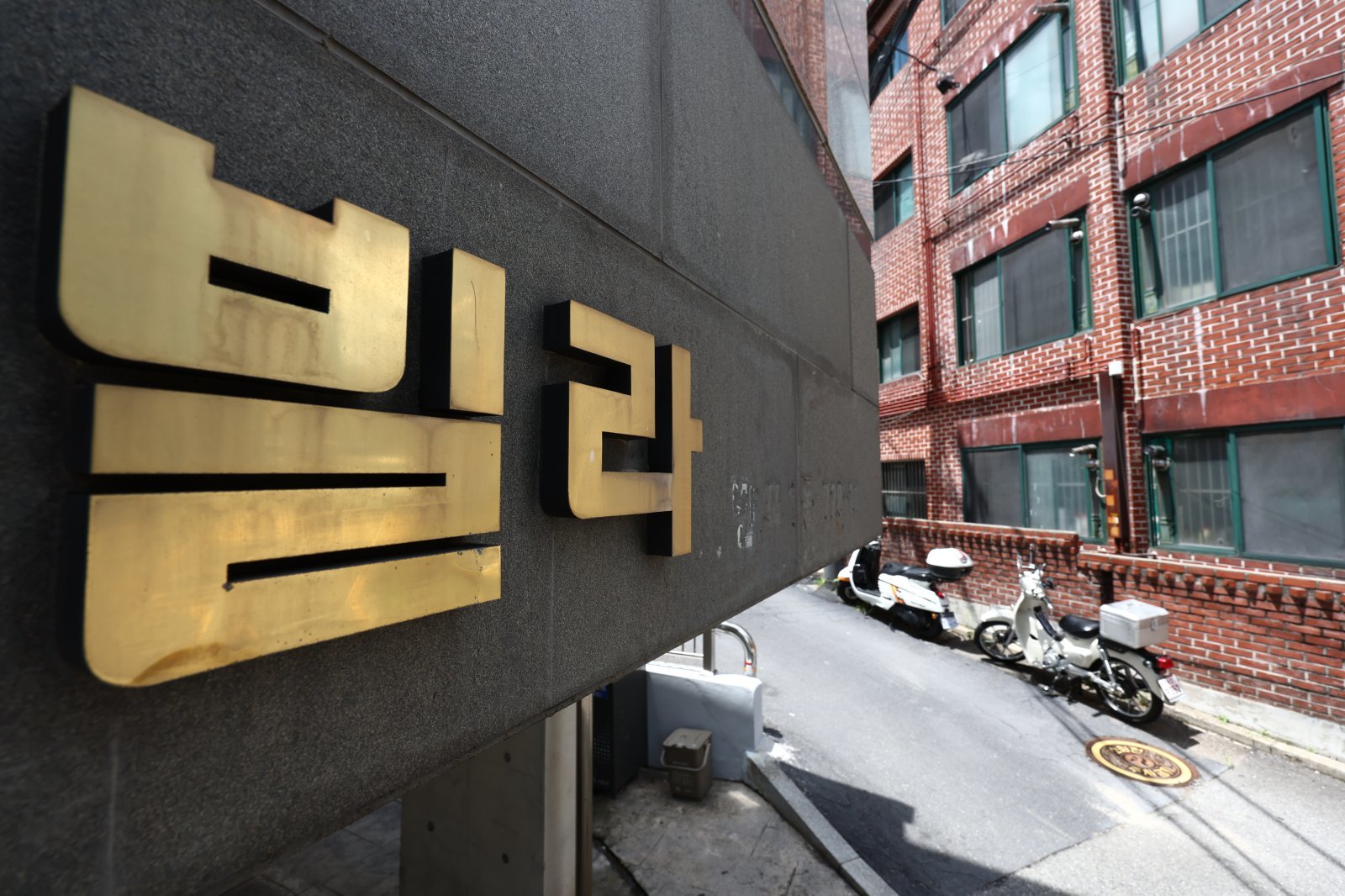
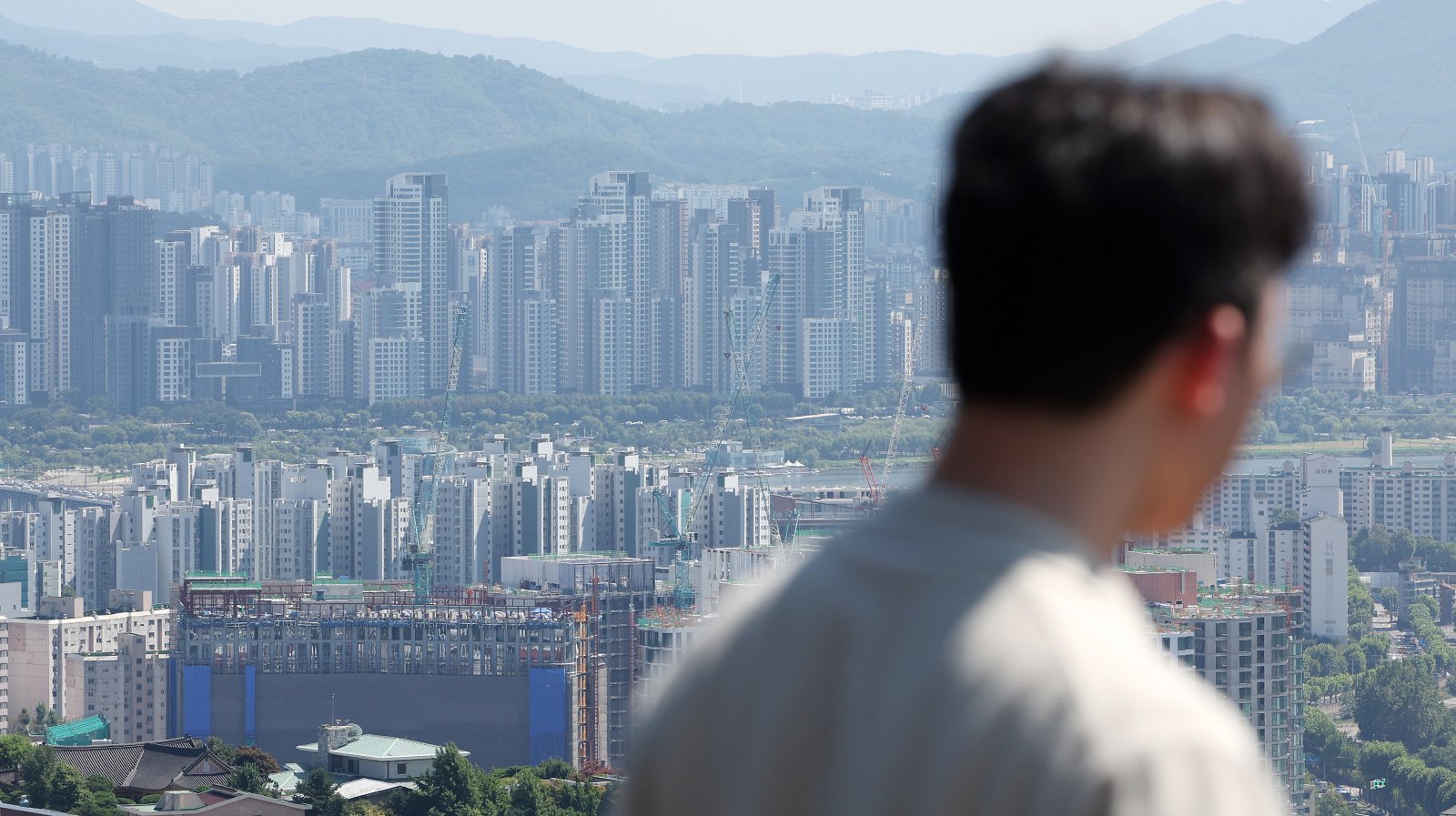
South Korea eyes tax exceptions for non-resident homeowners amid public outcry
Translated from Korean, summarized and contextualized by DistantNews.
At a glance
News
Sources not specified
Ongoing story
- South Korea is considering expanding exceptions for "non-resident" homeowners under new property tax reforms.
- The proposed changes aim to include unavoidable non-residency reasons like childcare and family care, which were not adequately addressed in the initial plan.
- Public feedback and pressure from the ruling party are pushing the government to revise the tax burden on non-resident single homeowners.
South Korea's government is reportedly revising its recently announced property tax reform package to address concerns about the increased tax burden on non-resident single homeowners. The initial plan, which lowered the comprehensive real estate tax (종부세) deduction for non-residents to 900 million won from 1.2 billion won, has drawn criticism for not adequately considering unavoidable reasons for non-residency.
Specifically, the government is now considering adding "childcare" and "family care" as exceptions to the non-residency rule. This move comes after a significant public outcry, with over 9,000 comments submitted during the legislative notice period. Many argued that the original plan unfairly penalizes individuals who are temporarily unable to reside in their homes due to job transfers, children's education, or caring for elderly parents.
There may be dissatisfaction with increasing the tax burden based solely on current residency status, even for a home purchased with difficulty.
The ruling party has also voiced support for revising the tax plan, advocating for a greater emphasis on increasing housing supply rather than solely relying on demand suppression through taxes. Lawmakers have suggested that the policy should not impose excessive burdens on non-resident homeowners and have called for a broader recognition of unavoidable non-residency situations.
We need to discuss broadening the scope of recognition for temporary non-residency.
Under the proposed revision, individuals who are temporarily unable to live in their homes due to unavoidable circumstances, such as mandatory job relocations, children's educational needs, or parental care, might be recognized as effectively residing in their property for tax purposes. This could include cases where homeowners cannot move in immediately due to ongoing lease agreements or reconstruction projects.
The government is expected to incorporate public feedback and the ruling party's recommendations into a revised tax reform package, which is slated for further discussion in early September. The aim is to strike a balance between curbing speculative property holding and ensuring fairness for homeowners facing unavoidable non-residency situations.
This tax reform plan will likely cause both rent and sale prices to rise, posing a significant risk to housing stability. I question why it is being pursued.
DistantNews Editorial
Originally published by Dong-A Ilbo in Korean. Translated, summarized, and contextualized by our editorial team with added local perspective. Read our editorial standards.
More Stories

From Our Blog

What Gets Lost (and Found) When News Is Translated

The Critical Role of Diaspora Media in Global News

What Travellers Should Know About Countries with Restricted Press

A Digital Nomad's Guide to Following Local News

How the Same Story Looks Different in Different Countries
