

Won-dollar fluctuations complicate calculations for South Korean SMEs, with smaller firms most vulnerable to currency risk
Translated from Korean, summarized and contextualized by DistantNews.
At a glance
News
Sources not specified
Context piece
- South Korean small and medium-sized enterprises (SMEs) face complex financial challenges due to the rapid fluctuations in the won-dollar exchange rate.
- While a weaker won benefits importers by reducing costs, it harms exporters who receive payments in dollars, leading to decreased profitability.
- SMEs lack the hedging capabilities of larger corporations, making them vulnerable to currency volatility and necessitating government support.
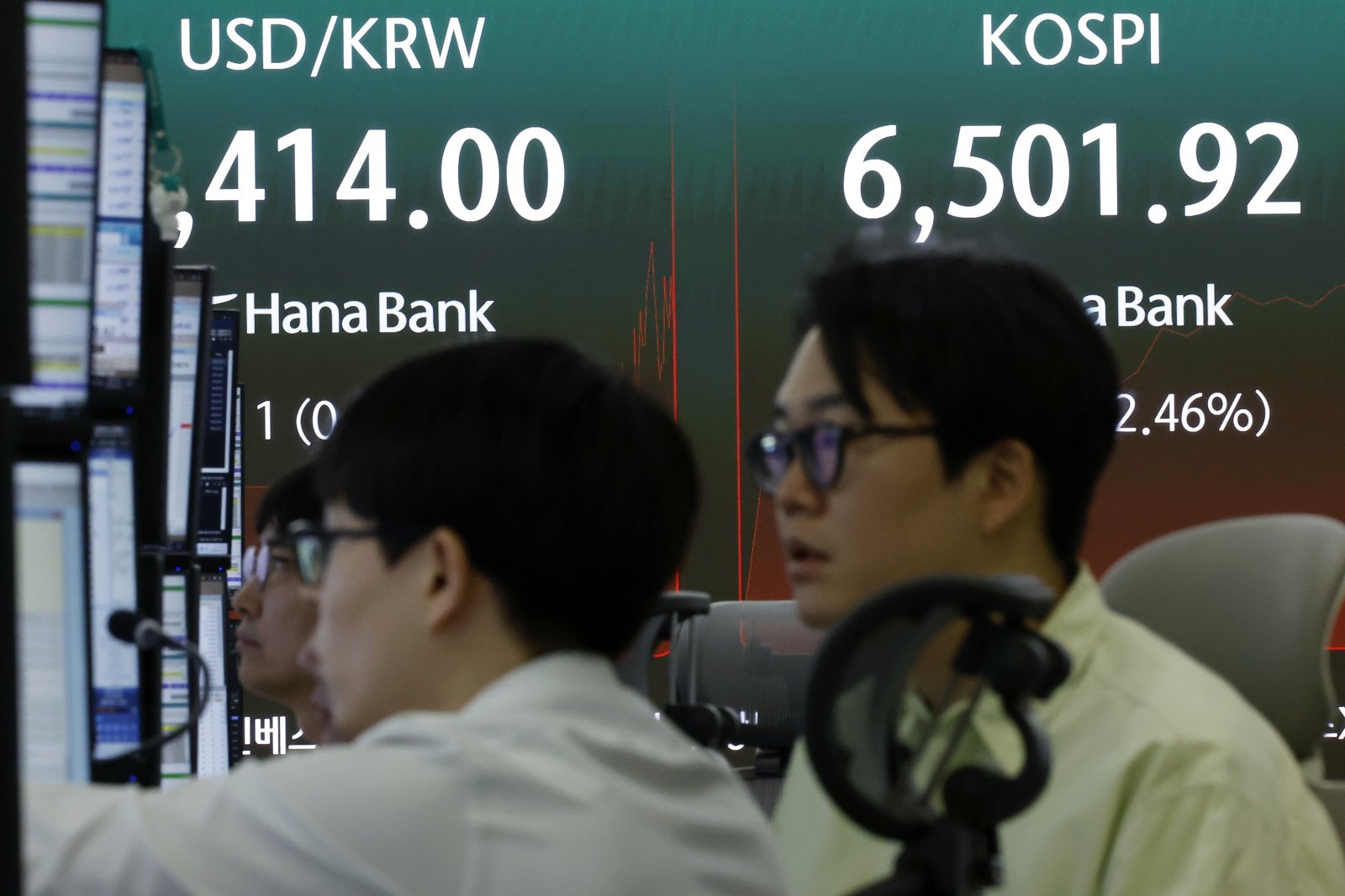
South Korean small and medium-sized enterprises are grappling with a volatile won-dollar exchange rate, which has swung dramatically in recent months. The currency's rapid fall from the mid-1500s to the low 1400s per dollar has created a complex financial landscape for businesses.
Importers, who pay for raw materials and components in dollars, benefit from the weaker won as their costs decrease. However, exporters, who receive payments in dollars, face a significant challenge. As the exchange rate drops, the won equivalent of their export earnings shrinks, directly impacting their profitability. For instance, a company expecting to receive $1 million could see its earnings fall from 1.56 billion won to 1.41 billion won if the exchange rate drops from 1560 to 1410 won per dollar, a difference of 150 million won.
The most difficult thing for SMEs is uncertainty. If we planned our business based on an exchange rate of 1400 won, but it rose to 1550 or 1600 won and then fell back to the 1400s, we wouldn't know what level to base our management strategy on.
Small and medium-sized enterprises are particularly vulnerable to this currency volatility. Unlike large corporations, they often lack the resources and expertise to implement effective hedging strategies, such as forward contracts, to mitigate currency risks. This uncertainty makes it difficult for them to forecast profits and plan business operations. "The most difficult thing for SMEs is uncertainty," said Kim Hee-jung, head of the economic policy department at the Korea Federation of SMEs. "If we planned our business based on an exchange rate of 1400 won, but it rose to 1550 or 1600 won and then fell back to the 1400s, we wouldn't know what level to base our management strategy on."
If the exchange rate moved within a certain range, we could adapt, but it's fluctuating wildly month by month, which is giving us headaches. When we set prices based on expected profits at the time of contract, our earnings inevitably decrease if the exchange rate drops significantly by the time we receive payment.
The situation is exacerbated for smaller businesses where the CEO often handles multiple roles, including sales, production, and finance. The time lag between signing export contracts and receiving payment further complicates matters, as currency fluctuations during this period can drastically alter profit margins. "If the exchange rate moved within a certain range, we could adapt, but it's fluctuating wildly month by month, which is giving us headaches," one SME official stated. "When we set prices based on expected profits at the time of contract, our earnings inevitably decrease if the exchange rate drops significantly by the time we receive payment."
Industry associations are calling for increased accessibility and broader support for currency risk management tools, such as currency fluctuation insurance and forward exchange transactions, which are often difficult for smaller firms to utilize due to a lack of specialized personnel and high costs. There is also a push to allow a portion of currency fluctuation costs to be reflected in delivery prices, linking it to existing pricing adjustment systems to prevent SMEs from bearing the full brunt of currency surges. Ultimately, SMEs seek a stable currency environment that allows for predictable business planning, rather than extreme volatility.
Currency fluctuation insurance and forward exchange transactions are strategies that can mitigate shocks or allow for price adjustments, but these are realistically difficult strategies for SMEs to pursue.
DistantNews Editorial
Originally published by Dong-A Ilbo in Korean. Translated, summarized, and contextualized by our editorial team with added local perspective. Read our editorial standards.
More Stories



From Our Blog

What Gets Lost (and Found) When News Is Translated

The Critical Role of Diaspora Media in Global News

What Travellers Should Know About Countries with Restricted Press

A Digital Nomad's Guide to Following Local News

How the Same Story Looks Different in Different Countries
