


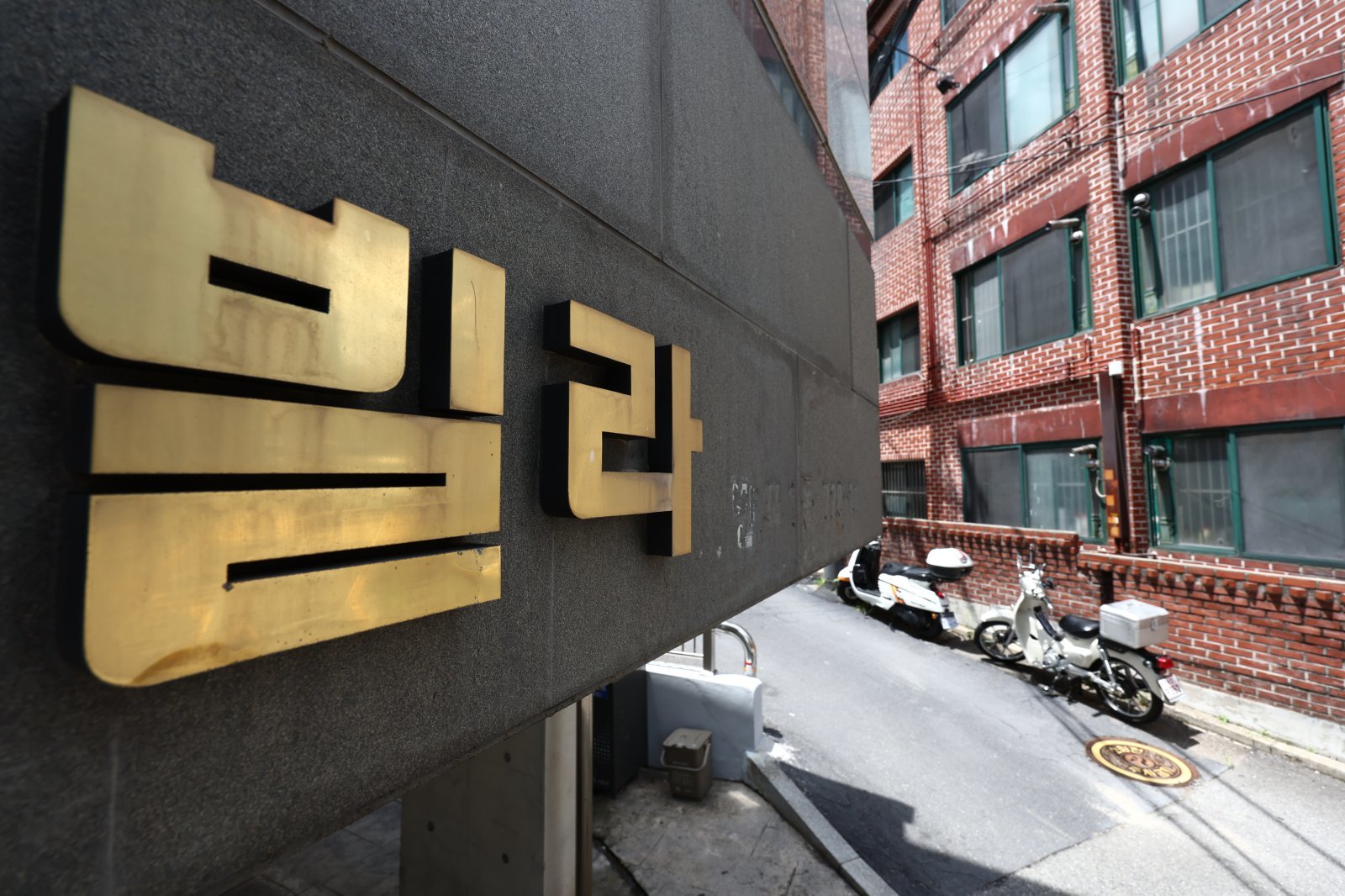
South Korea's youth housing loan program faces skepticism amid apartment preference and fraud fears
Translated from Korean, summarized and contextualized by DistantNews.
At a glance
News
Sources not specified
Context piece
- South Korea is introducing a new low-interest mortgage program for young people to buy non-apartment homes, aiming to address housing affordability.
- The policy offers loans up to 400 million won with a monthly repayment of around 850,000 won for a 30-year term.
- However, young Koreans show little interest due to a strong preference for apartments and lingering distrust of non-apartments after recent fraud scandals.
South Korea's government is launching a new mortgage program to help young people purchase non-apartment homes, such as villas and multi-family dwellings. The "Youth Future Bogeumjari Loan" aims to make homeownership more accessible by offering loans of up to 400 million won at a low interest rate, with monthly payments calculated to be around 850,000 won over 30 years. This initiative is part of broader measures to stabilize the real estate market.
The monthly principal and interest payments will be around 850,000 won.
The policy targets unmarried individuals under 39 and newlyweds with incomes below 70 million won who are first-time homebuyers. It allows for a loan-to-value ratio of up to 80% for non-apartments under 400 million won and 85 square meters. The government also plans to amend the Housing Finance Corporation Act to include residential officetels, which are currently excluded.
Despite these efforts, the policy faces a cool reception from young Koreans. A recent report indicated that nearly 80% of young households prefer apartments for their first home purchase. This preference stems from apartments' perceived advantages in liquidity and convenience. Furthermore, a series of "jeonse" (lump-sum deposit) scams and deposit non-repayment incidents have eroded trust in non-apartment properties.
79.7% of young households chose apartments as their preferred housing type for their first home purchase.
Many young people view apartments not just as residences but as investment vehicles. The new policy, which encourages buying non-apartments, is seen by some as an attempt to push them away from their goal of owning an apartment. Online discussions reveal concerns about potential price drops in non-apartments and difficulties in trading up to an apartment later. "I'm worried villas will drop in price," one user commented, while another said, "I'd rather rent for now and save up for an apartment."
I'd rather rent for now and save up for an apartment.
Adding to the skepticism, finding non-apartments under 400 million won in the Seoul metropolitan area has become increasingly difficult due to rising property prices. Critics argue that the policy fails to address the fundamental preference for apartments and the lingering distrust in alternative housing options.
I'm worried villas will drop in price.
DistantNews Editorial
Originally published by Dong-A Ilbo in Korean. Translated, summarized, and contextualized by our editorial team with added local perspective. Read our editorial standards.
More Stories


From Our Blog

What Gets Lost (and Found) When News Is Translated

The Critical Role of Diaspora Media in Global News

What Travellers Should Know About Countries with Restricted Press

A Digital Nomad's Guide to Following Local News

How the Same Story Looks Different in Different Countries
