


South Korea Unveils Prosecutorial Reorganization as Investigation Powers End and Judicial Control Division Emerges
Translated from Korean and summarized by DistantNews. Read the original for the full story.
At a glance
News
Official statement
New plan
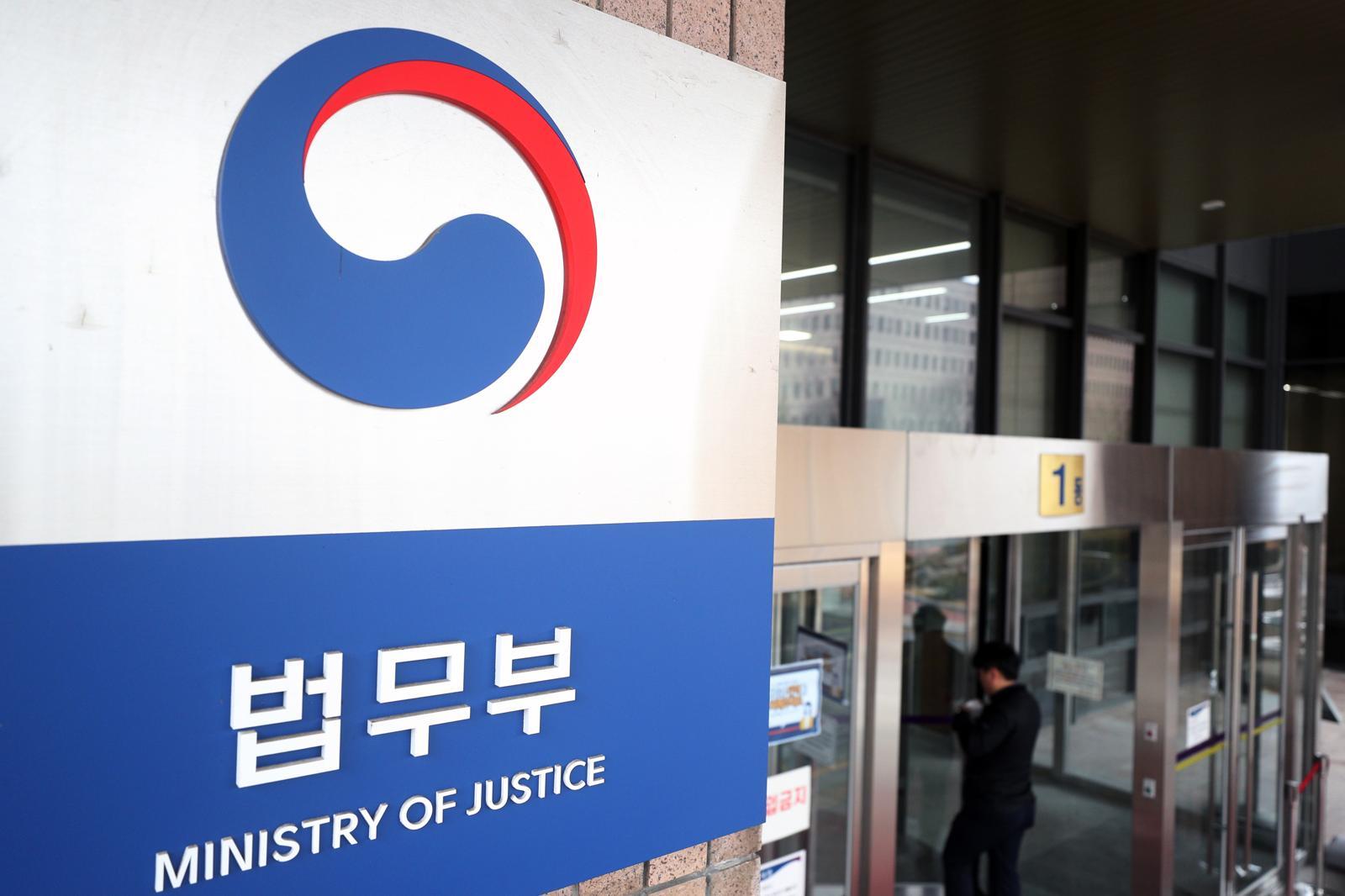
- South Korea’s Justice Ministry has proposed the structure and staffing of the Public Prosecution Office, which will replace the prosecution service in October under a separation of investigative and prosecutorial powers.
- The plan abolishes investigative information and joint investigation units, creates major-crime divisions, and transfers field forensic investigation functions to the Major Crimes Investigation Office.
- New judicial control divisions will review police decisions not to refer cases, request reinvestigations, and assess whether police complied with prosecutors’ requests.
South Korea’s Justice Ministry has laid out the shape of a new Public Prosecution Office ahead of the prosecution service’s abolition in October. The proposed system sharply reduces prosecutors’ investigative role while giving the new office a stronger function in supervising investigations and deciding whether cases should go to trial.
The Public Prosecution Office will consist of a central office, six regional offices, 18 district offices and 42 branches. It will have 2,292 prosecutors and 6,120 general staff, for a total workforce of 8,412. The ministry will publish the proposed organizational decree and an amendment to the prosecutor staffing decree for public comment through Sept. 9.
The plan eliminates the criminal information planning office and its two subordinate units, which analyzed and evaluated information related to crimes prosecutors could investigate. It also merges the existing anti-corruption and drug and organized-crime divisions into a major-crimes division. Since field forensic investigations will move to the Major Crimes Investigation Office, the prosecution service’s forensic division will disappear and become a smaller forensic science planning office focused on cross-examination, evidence preservation and analysis systems needed for charging and maintaining prosecutions.
Forty-three departments responsible for initiating investigations and joint investigations will be abolished and consolidated into 29 major-crime response divisions. These units will no longer conduct direct investigations. Instead, they will support investigation agencies, provide expertise and cooperate from case referral through prosecution. Five regional divisions will work alongside five joint investigation departments at the Major Crimes Investigation Office, offering legal and evidentiary advice at the investigation-opening and warrant-application stages.
The reorganization also creates judicial control divisions in each regional prosecution office. They will examine cases police decline to refer with the same scrutiny applied to referred cases, request reinvestigations and handle responsibility for inadequate investigations. The ministry said they will also assess whether police properly followed prosecutors’ requests for supplementary investigations. At the same time, it plans to strengthen responses to crimes targeting socially vulnerable people, cooperation with special judicial police, and the tracing and return of criminal proceeds in Seoul and Busan.
About this summary
Originally published by Hankyoreh in Korean. Translated, summarized, and contextualized automatically by DistantNews, with a note on how the source frames the story. Not individually reviewed before publishing. How this works.
More Stories


From Our Blog

News in Translation: What Gets Lost, and How We Keep the Framing

Diaspora Media: How Communities Abroad Follow Home

Traveling Where the Press Is Not Free: How to Read the News There

The Digital Nomad's Guide to Local News

The Same Story, Different Countries: How Coverage Changes at the Border
