


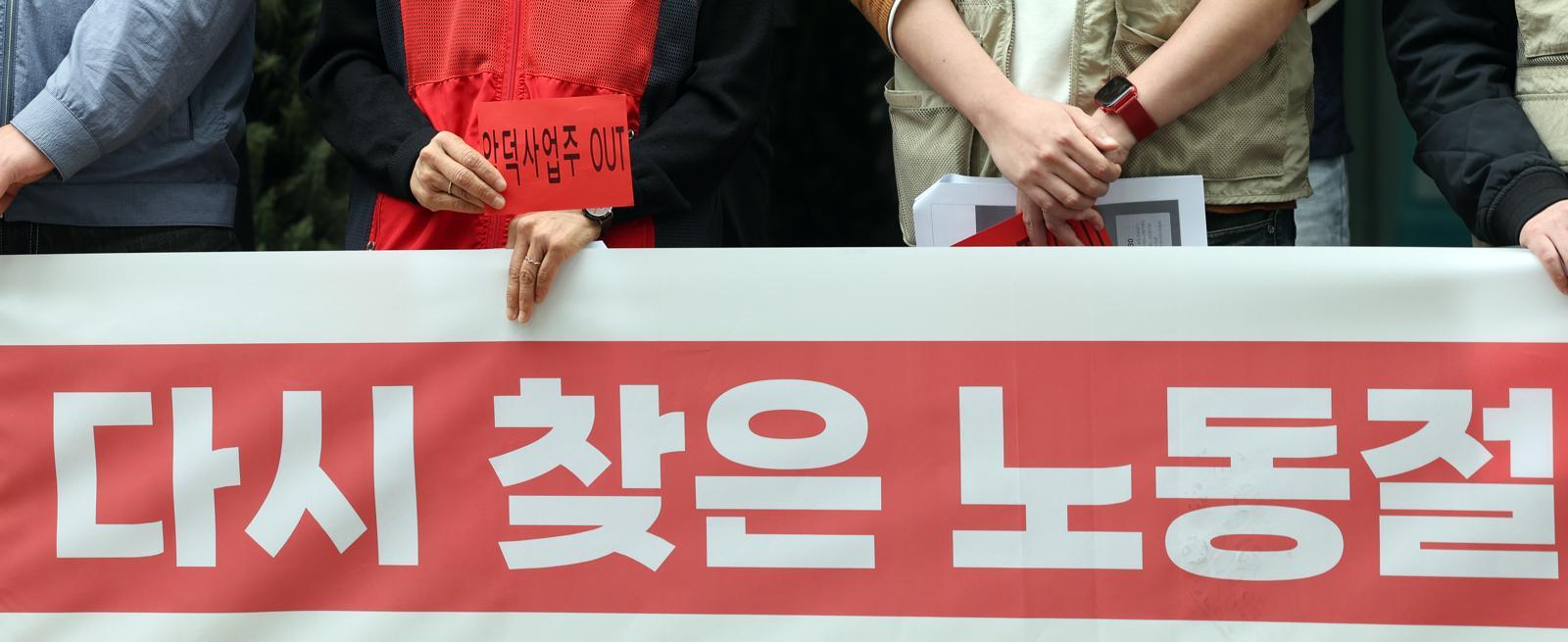
South Korea Welcomes New Public Holidays for Labor Day and Constitution Day
Translated from Korean, summarized and contextualized by DistantNews.
TLDR
- South Korea has designated May 1st (Labor Day) and July 17th (Constitution Day) as official public holidays starting this year.
- This change brings long-awaited holidays to public officials and teachers who previously worked on Labor Day, and restores Constitution Day as a holiday after an 18-year absence.
- The new regulations also include provisions for alternative holidays if these dates fall on weekends, though Labor Day's alternative holiday application differs due to its specific purpose.
The decision to officially designate May 1st, Labor Day, and July 17th, Constitution Day, as public holidays marks a significant moment for South Koreans, particularly for those in the public sector. For decades, public officials and teachers were excluded from the paid holiday afforded to private sector workers on Labor Day, leading to a sense of inequity. This change, finally rectifying that disparity after 63 years, is being met with widespread approval and a sense of long-overdue recognition for their contributions.
The restoration of Constitution Day as a public holiday after an 18-year hiatus is also a welcome development. As a day commemorating the promulgation of the South Korean constitution, its absence from the public holiday calendar had arguably diminished its significance. Reinstating it allows for a renewed focus on the foundational principles of our nation and provides an opportunity for families to reflect on its importance together.
Every Labor Day, I felt left out when my friends in private companies got to rest, but now, after 63 years, we will have a holiday without discrimination, which is very meaningful.
Furthermore, the inclusion of alternative holiday provisions, where applicable, adds another layer of public satisfaction. While the Ministry of Personnel and Management has clarified that Labor Day's unique nature means it won't follow the standard 'holiday replacement' rules like other public holidays, the overall sentiment is one of increased leisure and national commemoration. This move is not just about granting more days off; it's about acknowledging important labor rights and national milestones in a way that resonates with the public's desire for rest and national pride.
Even though it commemorates the promulgation of the Constitution of the Republic of Korea, it felt like its meaning was fading because we didn't have a day off. Now that it's a public holiday again, I plan to reflect on the value of Constitution Day with my family.
DistantNews Editorial
Originally published by Dong-A Ilbo in Korean. Translated, summarized, and contextualized by our editorial team with added local perspective. Read our editorial standards.
More Stories


From Our Blog

What Gets Lost (and Found) When News Is Translated

The Critical Role of Diaspora Media in Global News

What Travellers Should Know About Countries with Restricted Press

A Digital Nomad's Guide to Following Local News

How the Same Story Looks Different in Different Countries
