


South Koreans Favor Raising Elderly Definition Age to 70
Translated from Korean, summarized and contextualized by DistantNews.
TLDR
- A recent poll indicates that 60% of South Koreans favor raising the official age for defining 'elderly' from 65 to 70.
- This proposed change reflects a societal consensus driven by increased life expectancy and a growing, aging population.
- The current definition, established in 1981 when life expectancy was significantly lower, poses a substantial financial burden on welfare systems.
South Korea is grappling with a significant demographic shift, prompting a serious discussion about redefining the age at which one is considered 'elderly.' A recent poll by Korea Gallup reveals a strong public sentiment, with 6 out of 10 citizens supporting an increase in the age threshold from the current 65 to 70. This marks a notable change from 2015, when public opinion was divided, highlighting a growing societal consensus on the need to adapt our definitions to the reality of increased longevity.
The current definition of 'elderly' under the Elderly Welfare Act, set at 65 years, dates back to 1981. At that time, the average life expectancy was a mere 66.7 years. Today, with life expectancy soaring to 83.7 years and the elderly population surpassing 10 million, the financial strain on welfare programs like free subway rides and basic pensions is becoming unsustainable. The Dong-A Ilbo believes that maintaining the status quo is no longer feasible, especially with approximately every three working-age individuals now supporting one elderly person.
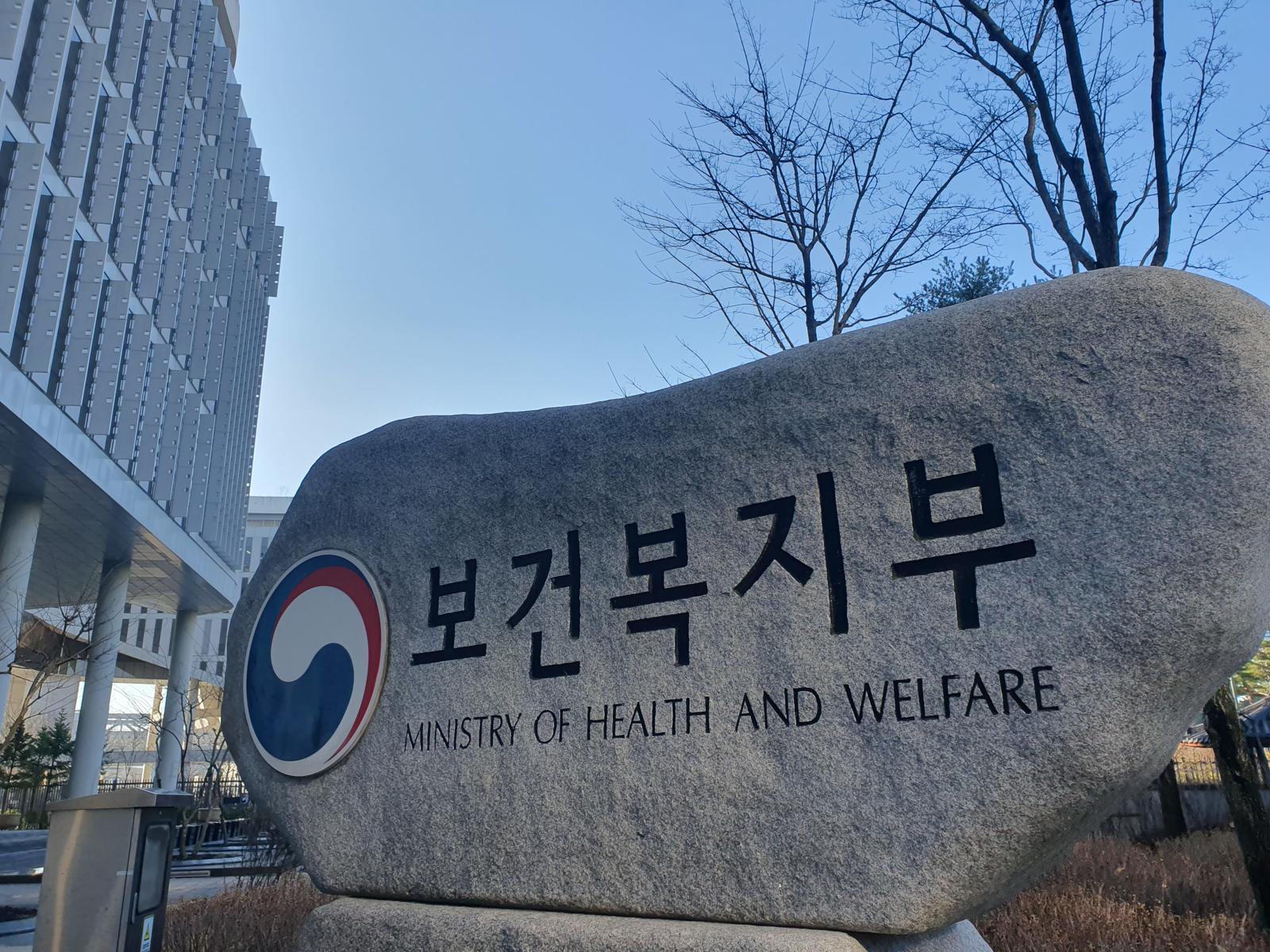
Furthermore, the perception of aging is evolving. A 2023 Ministry of Health and Welfare survey found that Koreans themselves consider 71.6 years to be the average age of being elderly. The Baby Boomer generation, now entering this age bracket, increasingly prioritizes self-reliance over reliance on welfare benefits. Many are seeking employment not just for income, but for health maintenance and social engagement, as indicated by a sharp decrease in those reporting 'insufficient retirement preparation' among those under 75.
While acknowledging the potential for income and welfare gaps if the age is raised abruptly, the Dong-A Ilbo argues that a serious discussion, including the extension of employment, must begin. The current system, with a legal retirement age of 60 but pension eligibility starting at 63 or 65, is increasingly out of sync with reality. This redefinition is not merely a statistical adjustment; it is a necessary step to ensure the long-term sustainability of our social welfare system and to reflect the changing realities of aging in modern South Korea.
DistantNews Editorial
Originally published by Dong-A Ilbo in Korean. Translated, summarized, and contextualized by our editorial team with added local perspective. Read our editorial standards.
More Stories


From Our Blog

What Gets Lost (and Found) When News Is Translated

The Critical Role of Diaspora Media in Global News

What Travellers Should Know About Countries with Restricted Press

A Digital Nomad's Guide to Following Local News

How the Same Story Looks Different in Different Countries
