


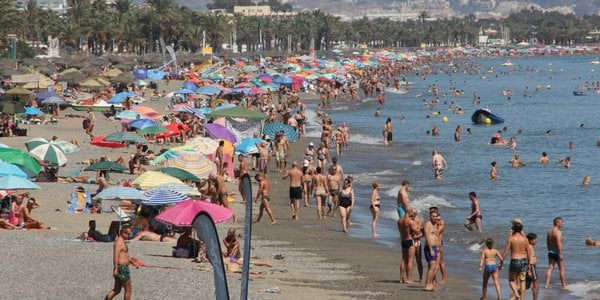
Spain's Tourism Hits Record High with 47 Million Visitors, Short-Term Rentals Surge
Translated from Polish, summarized and contextualized by DistantNews.
At a glance
News
Documents & data
Context piece
- Spain welcomed nearly 47 million tourists in the first half of 2026, setting a new record.
- British tourists led the numbers, followed by Germans and French visitors, though German and French numbers saw slight declines.
- There is a notable shift towards short-term rentals and non-commercial accommodation over hotels, with shorter stays becoming more popular.
Spain has achieved a new tourism record, welcoming almost 47 million foreign visitors in the first half of 2026. This surge is driven by a significant increase in British tourists, who numbered over 9.3 million during this period, marking a 4.3 percent rise year-on-year. German visitors, though second in number, saw a slight decrease of 1.1 percent, totaling nearly 5.7 million. French tourists followed, with over 5.6 million visitors, showing a modest 1 percent growth.
The tourism landscape is also evolving in terms of accommodation preferences. While hotel stays saw a 3.7 percent increase in the first six months, the popularity of short-term rentals surged by 10.7 percent. Accommodation outside the commercial market also grew by 6.2 percent. This trend is particularly evident in June, where hotel stays decreased by 1.7 percent, while rental apartments saw a 10.1 percent increase and non-commercial stays jumped by 26.8 percent.
Travel patterns are also shifting, with shorter stays becoming the norm. In June, the most common duration was four to seven nights, an increase of 1.9 percent. Day-trippers, who do not require overnight stays, also rose by 11.3 percent. Conversely, stays longer than 15 nights declined by 6.9 percent. The Balearic Islands, Catalonia, and Andalusia remain the most popular destinations, with Andalusia showing a strong growth of 7.9 percent in the first half of the year.
DistantNews Editorial
Originally published by Rzeczpospolita in Polish. Translated, summarized, and contextualized by our editorial team with added local perspective. Read our editorial standards.
More Stories



From Our Blog

What Gets Lost (and Found) When News Is Translated

The Critical Role of Diaspora Media in Global News

What Travellers Should Know About Countries with Restricted Press

A Digital Nomad's Guide to Following Local News

How the Same Story Looks Different in Different Countries
