


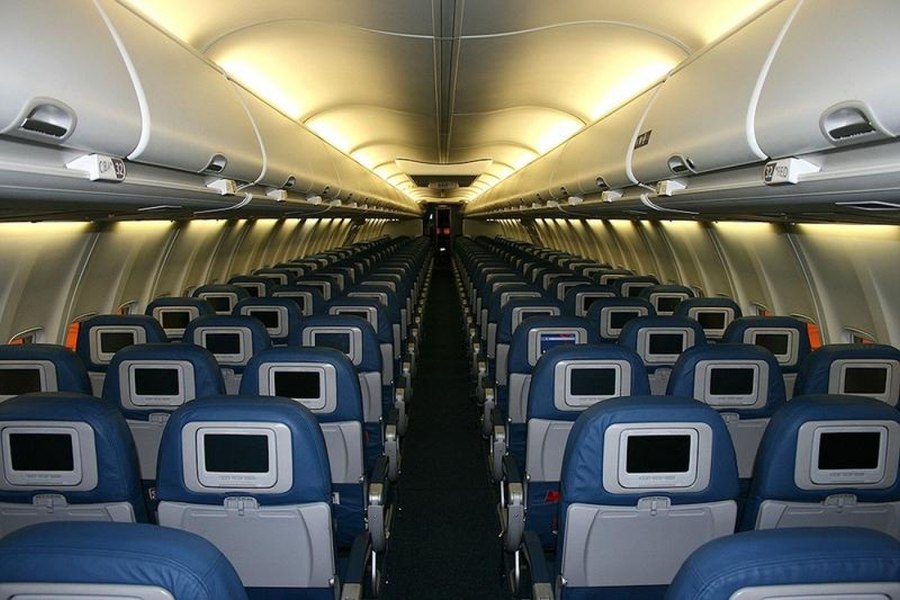
Spirit Airlines Cancels All Flights Amidst Rising Fuel Costs and Failed Bailout
Translated from Romanian, summarized and contextualized by DistantNews.
TLDR
- Spirit Airlines has canceled all flights and suspended customer service, effective May 2, 2026, due to financial difficulties.
- The airline cited rising fuel costs and failed bailout negotiations as primary reasons for its operational shutdown.
- Approximately 17,000 employees are affected, and passengers with existing tickets are advised to seek alternative travel arrangements.
The closure of Spirit Airlines marks a significant disruption in the U.S. aviation landscape, particularly for budget-conscious travelers. As reported by Adevărul, the airline's decision to cease operations, including the cancellation of all flights and suspension of customer service, stems from a confluence of factors, with soaring fuel prices being a major catalyst. This situation underscores the precariousness of the ultra-low-cost carrier model, which operates on thin margins and is highly susceptible to external economic shocks.
Cu mare dezamăgire, la 2 mai 2026, Spirit Airlines a început o reducere ordonată a operațiunilor noastre, cu efect imediat.
The article highlights the failed attempts to secure a last-minute bailout, including negotiations with the Trump administration. The opposition from a key group of creditors ultimately scuttled the rescue plan. This narrative suggests a complex interplay between corporate finance, government intervention, and market forces. The failure to reach an agreement, despite the potential impact on 17,000 jobs and millions of passengers, reflects the challenging environment for airline companies.
Toate zborurile au fost anulate, iar serviciul de relații cu clienții nu mai este disponibil.
From a Romanian perspective, the collapse of a major U.S. airline serves as a case study in the vulnerabilities of the global aviation industry. While Spirit Airlines' business model was distinct, the underlying issues—rising operational costs, intense competition, and the sensitivity of the market to economic downturns—are universal. The article's focus on fuel costs as a primary driver is particularly relevant, as energy prices have a cascading effect on various sectors. The situation also prompts reflection on the role of government in supporting industries during crises and the potential consequences when such support is not forthcoming. The sheer scale of the disruption—affecting thousands of employees and millions of travelers—is a stark reminder of the interconnectedness of the global economy.
Suntem mândri de impactul modelului nostru ultra-low-cost asupra industriei în ultimii 34 de ani și am sperat să ne putem servi oaspeții mulți ani de acum înainte.
DistantNews Editorial
Originally published by Adevărul in Romanian. Translated, summarized, and contextualized by our editorial team with added local perspective. Read our editorial standards.
More Stories

From Our Blog

What Gets Lost (and Found) When News Is Translated

The Critical Role of Diaspora Media in Global News

What Travellers Should Know About Countries with Restricted Press

A Digital Nomad's Guide to Following Local News

How the Same Story Looks Different in Different Countries
