


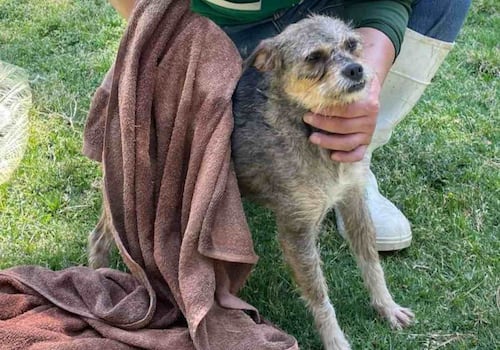
State of Mexico Bans Animal Experimentation in Schools; Penalties for Mistreatment and Abandonment Enacted
Translated from Spanish, summarized and contextualized by DistantNews.
TLDR
- The State of Mexico has banned animal experimentation in primary and secondary schools.
- The new law also prohibits the sale of animals on public streets and mandates proper care for animals under human custody.
- Stricter regulations are now in place for animal use in work, entertainment, and transport, with sanctions for violations.
In a significant move towards animal welfare, the State of Mexico has enacted a new law that prohibits animal experimentation in its schools. This progressive legislation, part of the Ley de Protección, Cuidado y Bienestar Animal, extends protections to animals beyond the classroom, also forbidding their sale on public thoroughfares. For those who keep animals, the law now mandates the provision of adequate food, medical attention, and basic care, ensuring a higher standard of well-being. El Universal, a prominent voice in Mexican journalism, reports on these developments, highlighting the comprehensive nature of the new regulations. The law also introduces stringent rules for animals involved in labor, performances, and transportation, aiming to prevent suffering and mistreatment. This includes prohibitions on excessive loads, prolonged work hours, and transport conditions that cause distress. Furthermore, animals used for work must not be made to perform if they are ill or injured. Those seeking to use animals for entertainment or exhibitions will require special authorization, adding a layer of oversight. The requirement for health and welfare certificates for all commercialized animals ensures a baseline of care before sale. This legislative advancement reflects a growing awareness and commitment to animal rights within Mexico, setting a precedent for improved animal protection standards.
In the case of animals used for work, the norm prohibits loads beyond limits, prolonged working hours, and activities when they present illnesses or injuries.
DistantNews Editorial
Originally published by El Universal in Spanish. Translated, summarized, and contextualized by our editorial team with added local perspective. Read our editorial standards.
More Stories


From Our Blog

What Press Freedom Means for the News You Read

What Gets Lost (and Found) When News Is Translated

The Critical Role of Diaspora Media in Global News

What Travellers Should Know About Countries with Restricted Press

A Digital Nomad's Guide to Following Local News
