


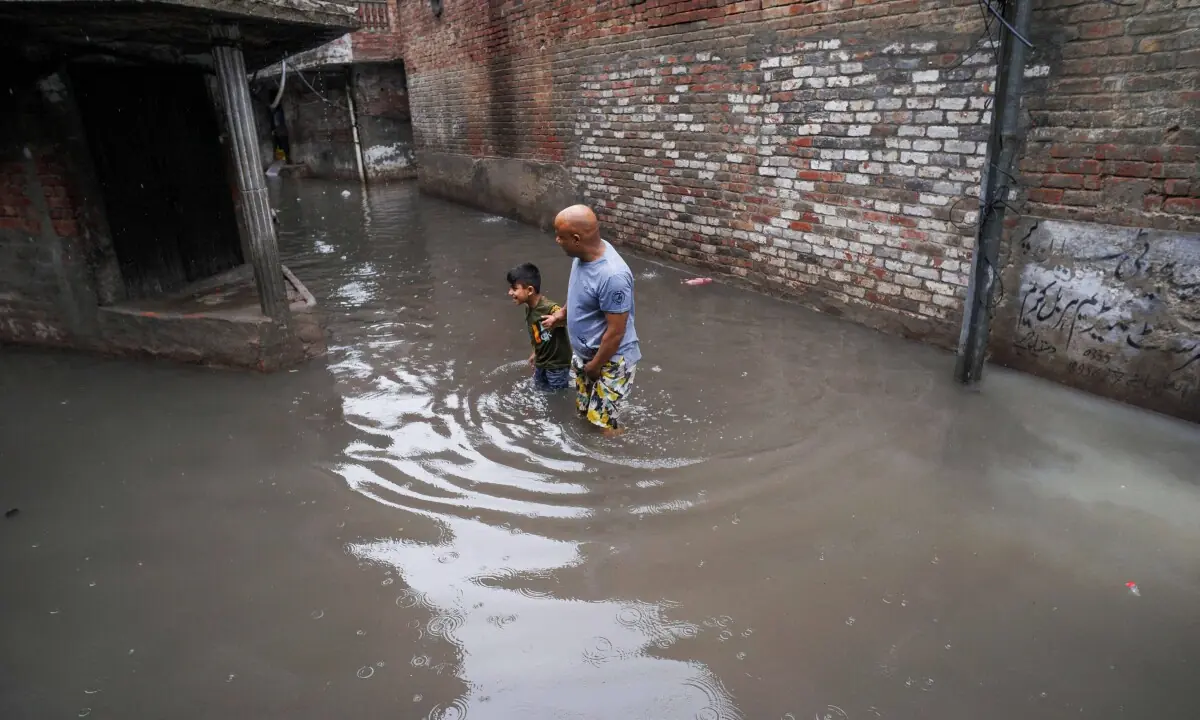
Still unprepared
Summarized and contextualized by DistantNews.
At a glance
News
Sources not specified
Ongoing story
- Pakistan is facing a nationwide emergency due to heavy monsoon rains, with over 100 deaths reported since June 26.
- The Met Office forecasts more rain and thunderstorms through July 28, warning of floods and landslides.
- Despite lessons from the devastating 2022 floods, the country's climate adaptation and disaster preparedness remain weak, highlighting governance failures.
Pakistan is grappling with a severe nationwide emergency as monsoon rains, which began on June 26, have claimed around 100 lives and caused widespread devastation. The Meteorological Office has predicted further widespread rain and thunderstorms until July 28, with the National Disaster Management Authority issuing warnings for rising river levels, flash floods, urban flooding, and landslides across many regions.
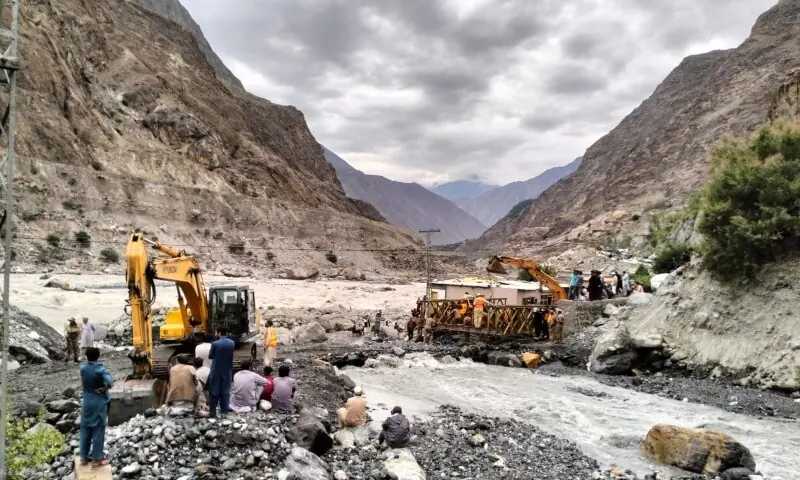
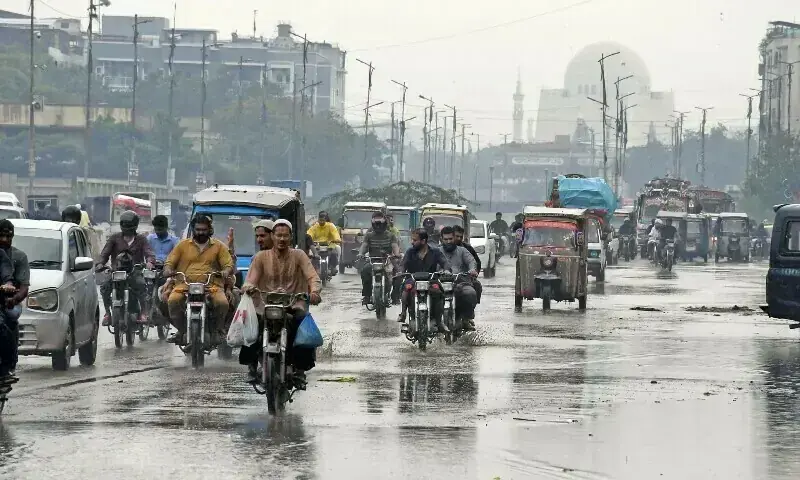
The impact of the rains is being felt from Gilgit-Baltistan, where glacial lake outburst floods have disrupted roads and electricity, to Punjab's heavily inundated cities and swelling rivers. Lahore has recorded its heaviest rainfall of the season, while Gujranwala and Sialkot are experiencing extensive flooding. Homes, crops, livestock, and public infrastructure have suffered significant damage, underscoring how quickly a weather emergency can escalate into a humanitarian crisis.
Despite the catastrophic floods of 2022, which served as a stark reminder of the need for climate adaptation, many of the same systemic weaknesses persist. Clogged drains, encroachments on waterways, fragile buildings, poorly maintained infrastructure, fragmented institutions, and delayed relief efforts continue to plague the country's response. While official claims of improved drainage and desilting efforts deserve scrutiny, the ongoing submergence of major roads, appearance of sinkholes, and prolonged isolation of communities suggest significant gaps remain.
Climate change is intensifying extreme weather events, but governance failures are magnifying their human cost. Effective adaptation requires more than just emergency meetings and relief announcements; it necessitates resilient infrastructure, robust planning, and accountable institutions. The immediate priority is to prevent further loss of life by pre-positioning rescue teams, essential supplies, and communication equipment in vulnerable areas. Warnings must reach communities in local languages, and access to isolated regions needs urgent restoration. Looking beyond the immediate crisis, Pakistan must implement long-term strategies, including publishing flood-risk maps, enforcing construction bans in floodplains, expanding glacial monitoring, and subjecting preparedness claims to independent audits. The nation cannot control the monsoon, but it must cease treating predictable hazards as annual surprises, recognizing that true preparedness is measured by lives protected, not by official briefings.
DistantNews Editorial
Originally published by Dawn. Summarized and contextualized by our editorial team with added local perspective. Read our editorial standards.
More Stories
From Our Blog

What Gets Lost (and Found) When News Is Translated

The Critical Role of Diaspora Media in Global News

What Travellers Should Know About Countries with Restricted Press

A Digital Nomad's Guide to Following Local News

How the Same Story Looks Different in Different Countries
