


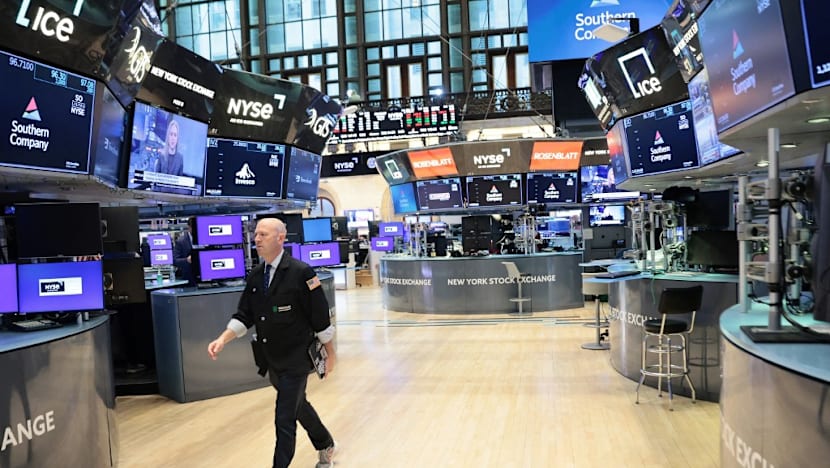
Stocks rise, oil falls as traders eye earnings, US-Iran ceasefire
Summarized and contextualized by DistantNews.
TLDR
- Global stock markets in the US and Europe reached record highs, driven by strong first-quarter corporate earnings reports.
- Oil prices declined despite ongoing tensions and attacks between Iran and US forces in the Strait of Hormuz.
- Investors remained optimistic due to positive earnings and reassurances from US defense officials, though concerns about the prolonged Middle East crisis persist.
Global financial markets demonstrated remarkable resilience this week, with both European and US stocks surging to fresh record highs. Investors appear to be prioritizing the robust performance of corporate earnings over the persistent geopolitical uncertainties, particularly the escalating tensions between the United States and Iran in the Strait of Hormuz.
The market psychology and the market momentum are so positive right now that as long as the news isn't truly terrible, the stock market seems inclined to rally.
Despite the United Arab Emirates reporting continued Iranian missile and drone attacks, and the exchange of fire between US and Iranian forces in the crucial Strait of Hormuz, market sentiment remained largely positive. This optimism was bolstered by reassurances from US Defense Secretary Pete Hegseth, who stated that the US was not seeking conflict, while simultaneously vowing a strong response to any Iranian aggression. The successful passage of a Maersk ship through the Strait under US escort further contributed to market confidence.
In the US, major indices like the S&P 500 and Nasdaq closed at record levels, with the Nasdaq leading the gains partly fueled by significant increases in chip company stocks. Analysts attribute this rally to strong market psychology and momentum, suggesting that as long as major negative news is avoided, the stock market is inclined to climb. The positive impact of first-quarter earnings season on US equities continues to be a significant driver.
US equities continue to get a boost from the first quarter earnings season.
European markets also saw gains, with Paris and Frankfurt posting increases of over one percent. However, London's FTSE 100 index experienced a dip, weighed down by a sharp decline in HSBC's share price following its earnings miss, which was impacted by a fraud-related charge and Middle East economic risks. Conversely, Italian bank UniCredit saw its shares jump after reporting a substantial rise in first-quarter net profit.
First-quarter corporate earnings have largely been robust so far which has helped to sustain global equities despite the uncertain backdrop.
While the current market environment is largely positive due to strong corporate results, analysts caution that the prolonged nature of the Middle East crisis could eventually challenge investor optimism. The ability to maintain this positive outlook will depend on the de-escalation of the conflict and the emergence of a lasting resolution. From our perspective at CNA, the market's ability to shrug off significant geopolitical risks in favor of corporate performance highlights a complex interplay of factors, where economic fundamentals are currently outweighing immediate security concerns, at least in the short term.
However, the longer the situation goes on without any sign of a lasting resolution, the harder it will be for investors to remain positive.
DistantNews Editorial
Originally published by CNA. Summarized and contextualized by our editorial team with added local perspective. Read our editorial standards.
More Stories


From Our Blog

What Gets Lost (and Found) When News Is Translated

The Critical Role of Diaspora Media in Global News

What Travellers Should Know About Countries with Restricted Press

A Digital Nomad's Guide to Following Local News

How the Same Story Looks Different in Different Countries
