

Strait of Hormuz Tensions Could Signal Decline of US Dominance, Chinese Analysts Say
Translated from English, summarized and contextualized by DistantNews.
TLDR
- Analysts at Chinese investment bank Citic Securities suggest the Strait of Hormuz situation could signal a decline in US global dominance.
- They compare the current standoff to the 1950s "Suez moment," which marked a turning point for British power.
- The report highlights the growing economic rivalry between China and the US and the impact of shipping disruptions on global supply chains.
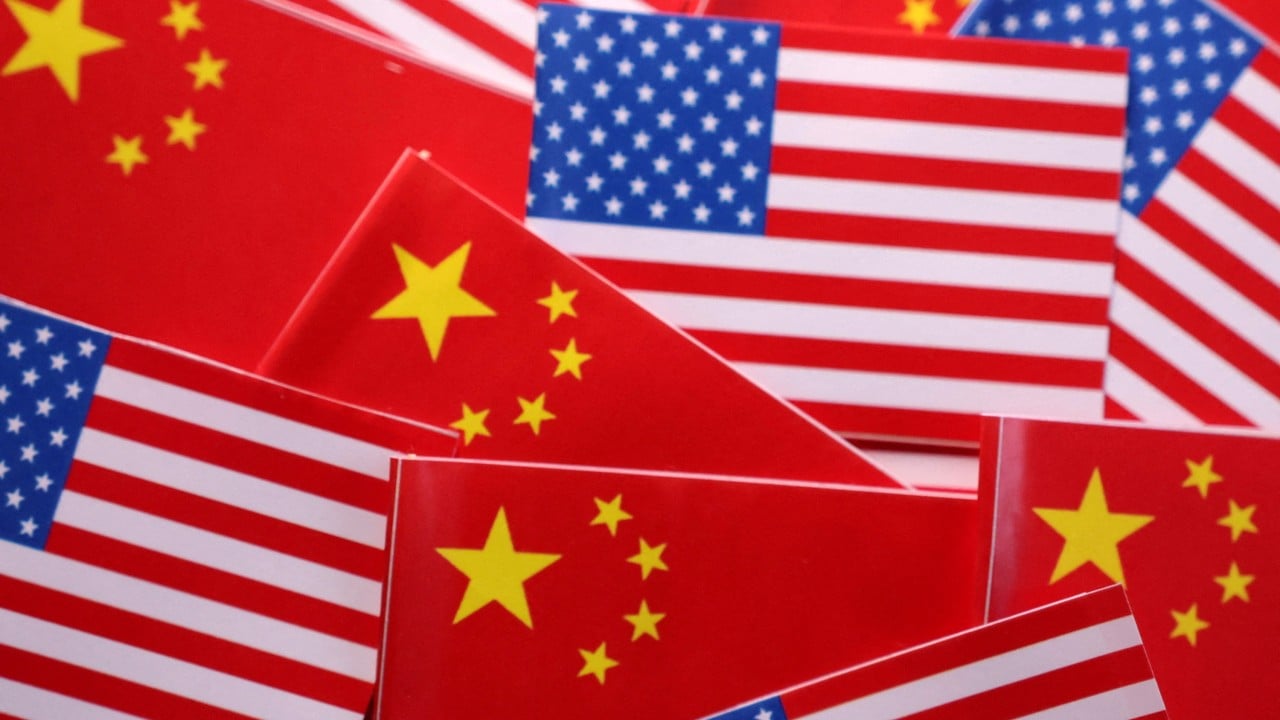
A significant analysis emerging from China's Citic Securities posits that the ongoing tensions and potential blockades in the Strait of Hormuz could represent a pivotal "Hormuz moment," potentially accelerating the decline of American global supremacy. This perspective, deeply rooted in the context of Sino-US economic competition, frames the current events not merely as a regional security issue but as a potential watershed in the global order.
The Suez moment marked the United Kingdom’s relinquishing of global power.
The comparison drawn to the 1956 Suez Crisis, which ultimately led to Britain relinquishing its global superpower status, is particularly striking. Citic Securities analysts suggest that the US, much like Britain then, finds itself "wedged" in the Strait of Hormuz, facing a profound challenge to its control over this critical global chokepoint. This analogy resonates within China, where the narrative of a shifting global power balance, with China poised to surpass the US economically, is frequently discussed.
The US was now “wedged” in the Strait of Hormuz, facing a challenge to its control of the waterway “and in search of a way out or forward”.
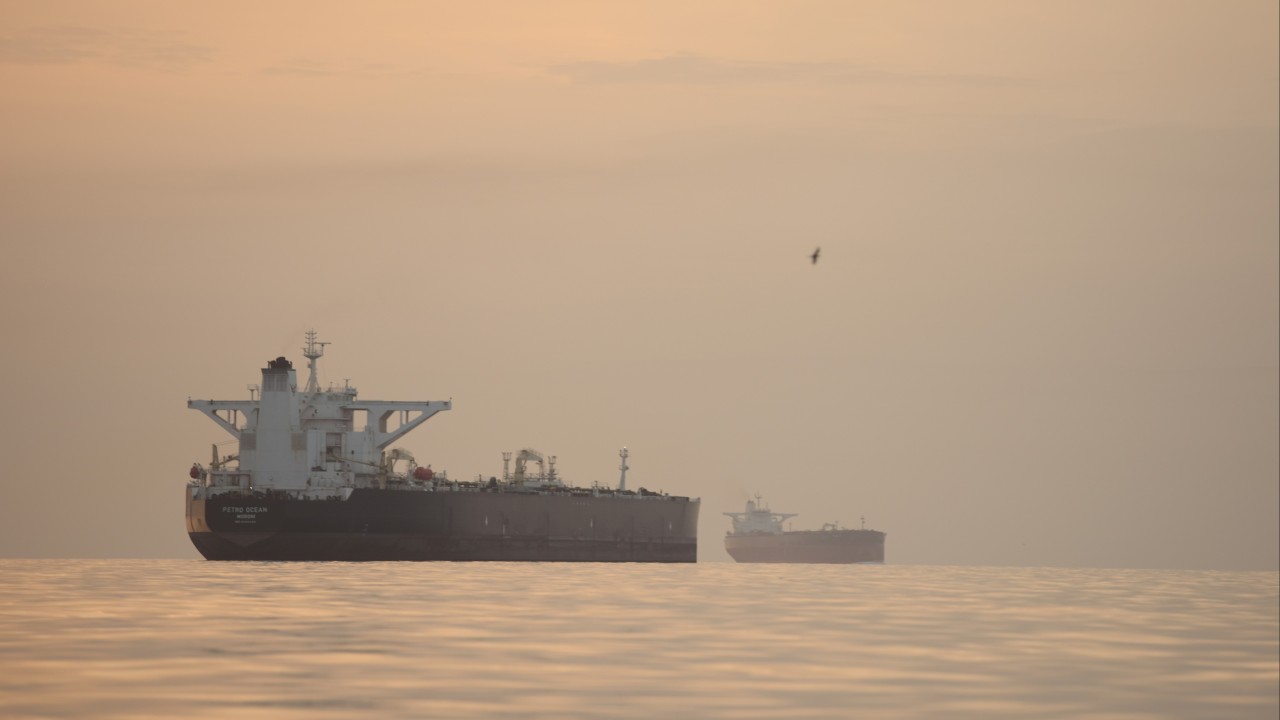
The report underscores the vulnerability of global supply chains, particularly energy supplies, to disruptions in the Strait of Hormuz. As the conflict between the US and Iran intensifies, the uncertainty faced by vessels and international trade is mounting. This instability, according to the analysts, could further erode confidence in American leadership and its ability to ensure global stability.
This may well be a Hormuz moment from which we can draw several inferences about the evolution of the global order.
From a Chinese perspective, this "Hormuz moment" is viewed through the lens of long-term economic competition. The analysis suggests that America's increasingly "transactional" relationships with other powers, potentially including China, might become more pronounced. The implication is that as US influence wanes, China's economic and geopolitical standing could rise, reshaping the international economic order in ways that favor Beijing's interests. This viewpoint emphasizes China's strategic calculation of global trends and its positioning within a multipolar world.
A transactional mindset towards America’s ties with China may become even more pronounced.
DistantNews Editorial
Originally published by South China Morning Post in English. Translated, summarized, and contextualized by our editorial team with added local perspective. Read our editorial standards.
More Stories


From Our Blog

Countries Without a Free Press: What You Need to Know

What Press Freedom Means for the News You Read

What Gets Lost (and Found) When News Is Translated

The Critical Role of Diaspora Media in Global News

What Travellers Should Know About Countries with Restricted Press
