


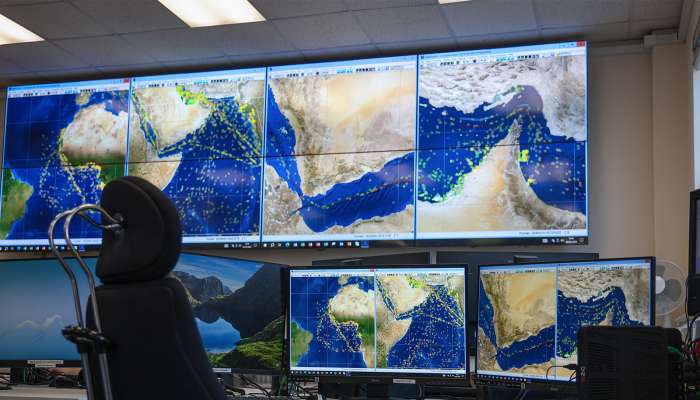
Strait of Hormuz traffic drops by over 90% amid West Asia tensions
Summarized and contextualized by DistantNews.
TLDR
- Shipping traffic through the Strait of Hormuz has plummeted by over 90% due to escalating tensions in West Asia.
- Maritime security officials report over 40 incidents involving merchant ships between March 1 and April 27, including direct attacks.
- The disruption has stranded approximately 850-870 merchant vessels, raising concerns for seafarer safety and global trade.
The Times of Oman's report on the Strait of Hormuz traffic decline paints a stark picture of the impact of regional tensions on global maritime security and trade. The headline itself, 'Strait of Hormuz traffic drops by over 90% amid West Asia tensions,' immediately conveys the severity of the situation, emphasizing the critical nature of this waterway.
From an Omani perspective, the Strait of Hormuz is not just a global chokepoint; it is a vital artery for the region's energy exports and a key transit route. The dramatic reduction in traffic, falling from around 130 ships daily to fewer than 10, signifies a near-paralysis of this crucial passage. The article meticulously details the incidents reported by the UK Maritime Trade Operations (UKMTO), including direct attacks and harassment, underscoring the heightened risks faced by merchant vessels and their crews.
Ships or their crew were either directly damaged or suffered collateral impact, such as shrapnel from intercepted drones, while several vessels were also harassed or forced to turn back.
The human element is powerfully conveyed through Commander Jo Black's statement about the 20,000 sailors stranded, facing issues with crew changes and strained supplies, and growing concerns over their mental well-being. This focus on the seafarers' plight is particularly relevant in a region with a long maritime history and a significant population involved in seafaring professions. The potential resurgence of piracy off the coast of Somalia, mentioned as a consequence of prolonged disruption, adds another layer of regional security concern.
This situation highlights the interconnectedness of regional conflicts and global economic stability. While Western media might focus on the geopolitical implications for energy markets, the Times of Oman's report emphasizes the immediate, on-the-ground impact on shipping operations, the safety of personnel, and the broader security landscape of the Gulf region, which directly affects Oman's interests and its role in regional maritime governance.
Our first concern is the safety and security of seafarers. There are around 20,000 sailors on ships going nowhere. Crew changes are not happening, and supplies are becoming strained.
DistantNews Editorial
Originally published by Times of Oman. Summarized and contextualized by our editorial team with added local perspective. Read our editorial standards.
More Stories
From Our Blog

What Gets Lost (and Found) When News Is Translated

The Critical Role of Diaspora Media in Global News

What Travellers Should Know About Countries with Restricted Press

A Digital Nomad's Guide to Following Local News

How the Same Story Looks Different in Different Countries
