


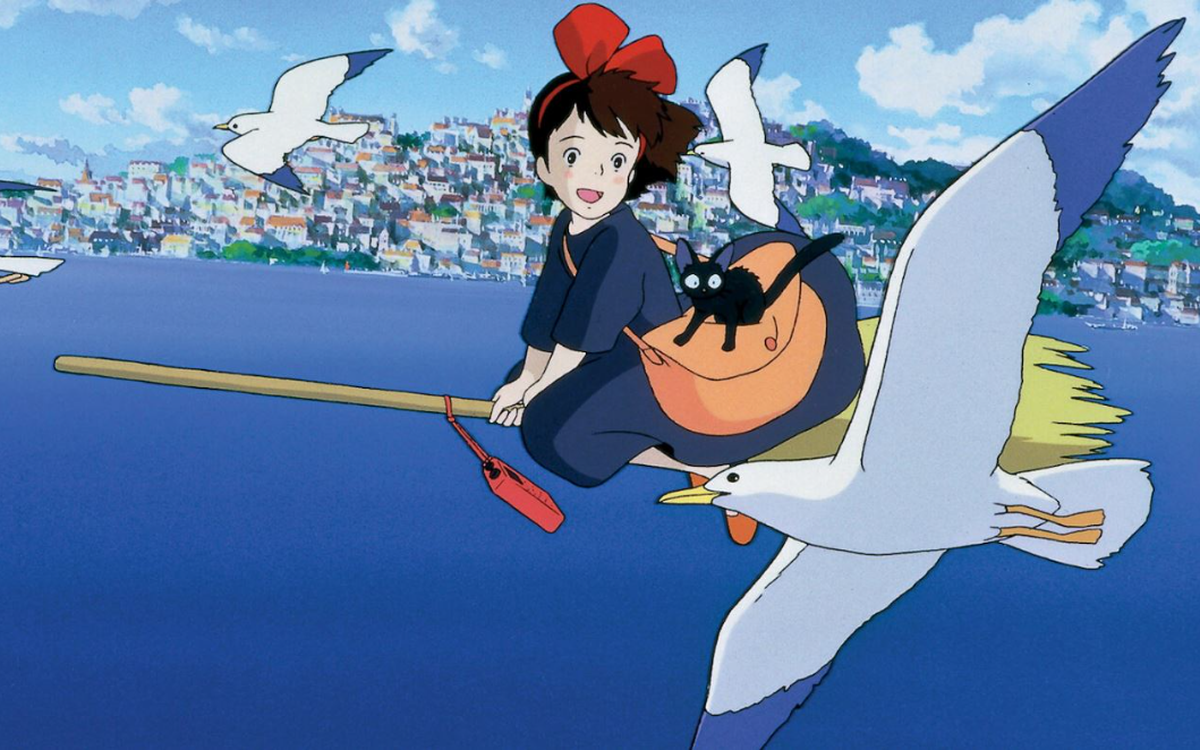
Studio Ghibli's Masterpieces Gradually Being 'Forgotten' in Japan
Translated from Vietnamese, summarized and contextualized by DistantNews.
TLDR
- Studio Ghibli films are becoming less accessible to young audiences in Japan, with no presence on domestic streaming platforms.
- While broadcast television airs some Ghibli classics, the lack of streaming options forces viewers to wait for scheduled broadcasts or purchase physical media.
- This limited accessibility contrasts sharply with the easy on-demand viewing of other popular anime, raising concerns about Ghibli's legacy among younger generations.
A concerning trend is emerging in Japan regarding the accessibility of beloved Studio Ghibli masterpieces. Despite their iconic status and the enduring legacy of directors like Hayao Miyazaki, Ghibli films are increasingly difficult for contemporary Japanese audiences, particularly the youth, to access. This situation is largely due to their conspicuous absence from major domestic streaming services, a stark contrast to their availability on platforms like Netflix in international markets.
While Nippon TV continues to air Ghibli classics such as 'Whisper of the Heart' and 'Kiki's Delivery Service' during prime time slots like 'Friday Roadshow,' this sporadic broadcast schedule is insufficient in an era defined by on-demand content. For younger viewers accustomed to the instant gratification of streaming platforms like Netflix, Amazon Prime Video, and U-NEXT, the need to wait for a specific television broadcast or resort to purchasing DVDs and Blu-rays feels archaic. This limited accessibility risks Ghibli films becoming relics rather than living cultural touchstones for a new generation.
Although these are classic works, the infrequent broadcast frequency raises the question: how many opportunities do young Japanese audiences still have to access Ghibli's heritage?
This deliberate strategy, potentially orchestrated by Nippon TV which acquired Studio Ghibli in 2023, aims to maintain the 'rarity' and event status of each broadcast, thereby maximizing viewership and advertising revenue. However, as writer and journalist Soichiro Matsutani points out, this approach is defensive and overly reliant on traditional television models. In a rapidly evolving digital landscape, this strategy could inadvertently lead to Ghibli's cultural relevance diminishing among younger demographics who prioritize convenience and immediate access. The question remains: how can Japan ensure its most cherished cinematic heritage remains vibrant and accessible for future generations in the digital age?
Today, users can easily rewatch Demon Slayer: Kimetsu no Yaiba or all of Makoto Shinkai's films with just a few taps on their phone. However, with Ghibli, 'watching anytime' almost doesn't exist.
DistantNews Editorial
Originally published by Tuổi Trẻ in Vietnamese. Translated, summarized, and contextualized by our editorial team with added local perspective. Read our editorial standards.
More Stories



From Our Blog

What Gets Lost (and Found) When News Is Translated

The Critical Role of Diaspora Media in Global News

What Travellers Should Know About Countries with Restricted Press

A Digital Nomad's Guide to Following Local News

How the Same Story Looks Different in Different Countries
