

Sun Fanglin, Chinese scientist who paved the way for new cancer drugs, dies aged 58
Summarized and contextualized by DistantNews.
At a glance
News
Official statement
Outcome reported
- Sun Fanglin, a leading Chinese scientist whose work contributed to new cancer treatments, died at age 58.
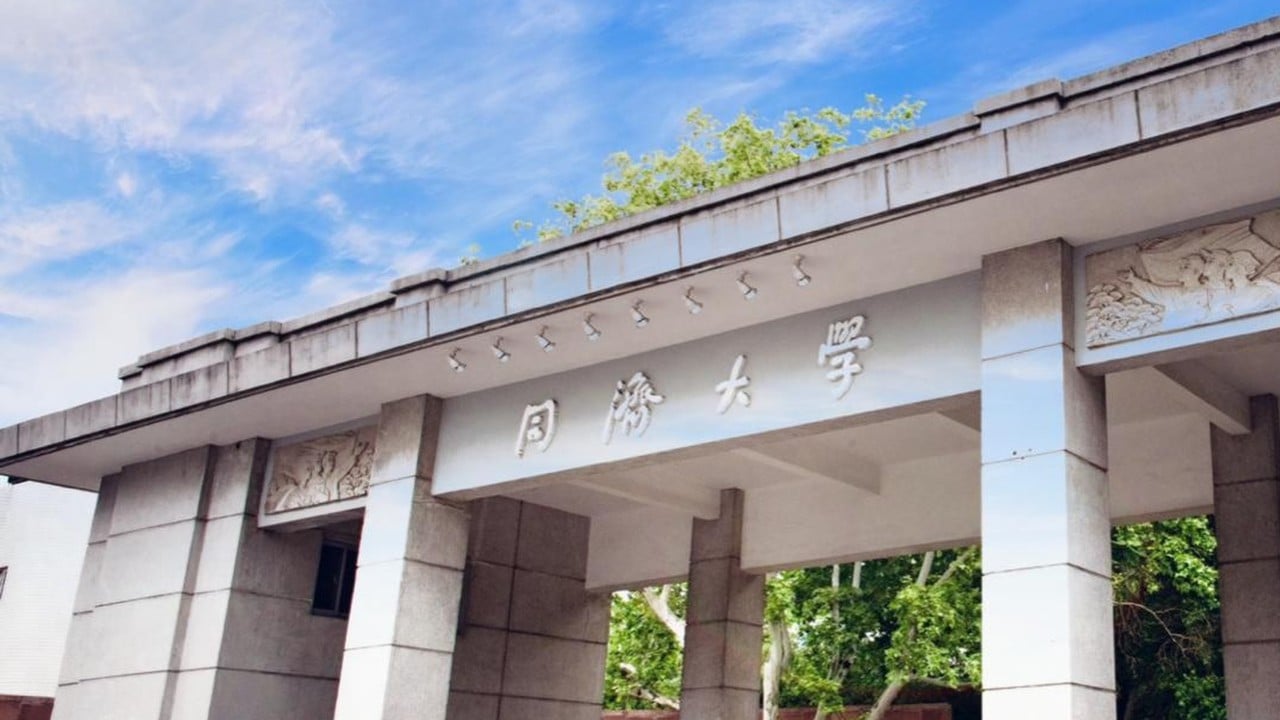
- He was the director of the Advanced Institute of Translational Medicine at Tongji University in Shanghai.
- His research on cellular aging and tumor resistance provided a framework for developing novel anti-cancer drugs.
Shanghai: Sun Fanglin, a prominent Chinese scientist whose groundbreaking research on cellular aging and tumor resistance paved the way for new cancer therapies, has died at the age of 58.
Sun was a key figure in the scientific community, serving as the director of the Advanced Institute of Translational Medicine at Tongji University in Shanghai. He also previously held the position of dean at the university's School of Life Sciences and Technology. The institute announced his passing on July 10, following treatment for an undisclosed illness.
A distinguished biologist, Sun specialized in the complex interplay between gene regulation, epigenetics, and the aging process. His work explored how behaviors and environmental factors can influence gene expression. He played a crucial role in several national research initiatives, including the National Programme on Key Basic Research, according to Tongji University.
Sun's research team achieved a significant global breakthrough by identifying biological pathways that can reverse tumor resistance to targeted drugs. This discovery offered a "core theoretical framework for cell therapies and the development of new anti-tumour drugs," as stated in the institute's obituary. His contributions have had a lasting impact on the field of oncology, offering hope for more effective cancer treatments.
provided a core theoretical framework for cell therapies and the development of new anti-tumour drugs
DistantNews Editorial
Originally published by South China Morning Post. Summarized and contextualized by our editorial team with added local perspective. Read our editorial standards.
More Stories

From Our Blog

Countries Without a Free Press: What You Need to Know

What Press Freedom Means for the News You Read

What Gets Lost (and Found) When News Is Translated

The Critical Role of Diaspora Media in Global News

What Travellers Should Know About Countries with Restricted Press
