

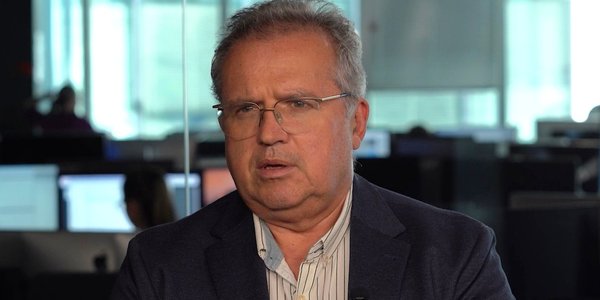

Suspicion of Ebola in hundreds of people. WHO: These numbers will likely grow
Translated from Polish and summarized by DistantNews. Read the original for the full story.
At a glance
News
Named sources
Context piece
- The World Health Organization (WHO) warns that the Ebola epidemic in the Democratic Republic of Congo is likely to grow, with nearly 600 suspected cases and 139 probable deaths.
- The virus has spread to urban areas, and deaths among healthcare workers indicate potential transmission within medical facilities.
- The WHO has deployed a team and allocated $3.9 million to support response efforts, while experimental vaccines are expected from the US and UK.
The Democratic Republic of Congo is once again facing the grim reality of an Ebola outbreak, and the World Health Organization (WHO) is sounding the alarm. Tedros Ghebreyesus, the head of the WHO, has issued a stark warning: the numbers of suspected cases and probable deaths are expected to rise, painting a concerning picture of the epidemic's trajectory.
We expect these numbers to continue to grow, given the time it has taken for the epidemic to be detected.
What makes this outbreak particularly troubling, according to the WHO, is the virus's spread into urban centers and the alarming reports of healthcare workers falling ill. This suggests that the virus may be circulating within healthcare settings, a scenario that complicates containment efforts and poses a significant risk to those on the front lines of medical care. The WHO's assessment highlights a high risk of national and regional spread, though the global risk is currently deemed low.
We have a team on the ground supporting national authorities. We have sent people, supplies, equipment and funds.
Compounding the challenge is the fact that the current outbreak is caused by a strain of the Ebola virus for which there are no approved vaccines or therapies. This lack of readily available countermeasures means that response efforts must rely heavily on traditional public health measures, such as contact tracing, isolation, and community engagement. The delayed detection of the virus, coupled with significant population movements in the affected regions and an existing humanitarian crisis, further exacerbates the situation.
We will administer the vaccine and see in whom the disease develops.
From our perspective in Poland, as reported by Rzeczpospolita, the international community's response is crucial. The WHO's deployment of a team and allocation of emergency funds signal a commitment to assisting Congolese authorities. However, the situation in eastern Congo, where armed rebel groups operate, presents a formidable obstacle to aid delivery. The complexities of this outbreak, from its origins to the challenges in containing it, underscore the critical need for sustained international cooperation and robust public health infrastructure in affected nations.
This has caused an escalation of the Ebola epidemic.
About this summary
Originally published by Rzeczpospolita in Polish. Translated, summarized, and contextualized automatically by DistantNews, with a note on how the source frames the story. Not individually reviewed before publishing. How this works.
More Stories

From Our Blog

News in Translation: What Gets Lost, and How We Keep the Framing

Diaspora Media: How Communities Abroad Follow Home

Traveling Where the Press Is Not Free: How to Read the News There

The Digital Nomad's Guide to Local News

The Same Story, Different Countries: How Coverage Changes at the Border
