


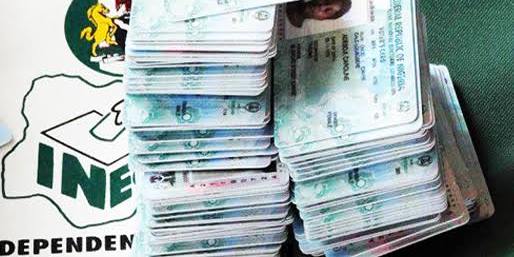
Taraba State’s alleged PVC impunity
Summarized and contextualized by DistantNews.
At a glance
News
Sources not specified
Under investigation
- Teachers and workers in Taraba State, Nigeria, allegedly faced pressure to submit Permanent Voter Card (PVC) photocopies to receive salaries.
- The Taraba State Universal Basic Education Board (TSUBEB) denied making salary payment contingent on PVC submission, stating the chairperson encouraged voter card acquisition.
- The controversy highlights concerns about government officials potentially overstepping their powers by linking earned wages to political actions, especially ahead of the 2027 general elections.
Allegations that teachers and workers in Nigeria's Taraba State were required to submit photocopies of their Permanent Voter Cards (PVCs) before receiving salaries have sparked national outrage. The Taraba State Universal Basic Education Board (TSUBEB) has denied these claims, asserting that its chairperson, Christiana Binga, merely encouraged staff to obtain voter cards.
The allegation that teachers and other workers in Taraba State were directed to present photocopies of their Permanent Voter Cards (PVCs) before receiving their salaries has rightly provoked outrage across the country.
This controversy serves as a reminder to politicians and government officials about the boundaries of their authority, particularly as Nigeria approaches the 2027 general elections. The opposition, led by Senator Emmanuel Bwacha of the People’s Democratic Party (PDP), alleges that workers were ordered to submit PVC photocopies for salary processing.
The Taraba State Universal Basic Education Board (TSUBEB) has denied making salary payment contingent on PVC submission, insisting that its chairperson, Christiana Binga, merely encouraged teachers to obtain their voter cards.
If true, such a directive would represent a significant constitutional overreach by Governor Agbu Kefas's administration through TSUBEB. While civic participation and voter registration are important, compelling vulnerable groups like workers to engage in political actions against their will crosses a dangerous line. Linking salaries, which are payment for work performed, to political compliance is a departure from democratic norms.
Politicians across Nigeria often go beyond merely encouraging citizens to register as voters and collect their PVCs. They sometimes adopt impunity to compel vulnerable groups, such as workers, to take political actions against their will.
The 1999 Constitution guarantees freedom of expression and association, and prohibits discrimination. The right to vote includes the freedom not to vote. Governments cannot lawfully make participation in the electoral process a prerequisite for receiving earned wages. Such actions can blur the line between civic mobilization and political intimidation, potentially leading to workers being pressured to vote for specific parties or candidates, undermining democracy.
Salary is not a political favour. It is payment for work already done. It cannot lawfully be subjected to partisan considerations or electoral compliance.
DistantNews Editorial
Originally published by Vanguard. Summarized and contextualized by our editorial team with added local perspective. Read our editorial standards.
More Stories


From Our Blog

How the Same Story Looks Different in Different Countries

What Gets Lost (and Found) When News Is Translated

The Critical Role of Diaspora Media in Global News

What Travellers Should Know About Countries with Restricted Press

A Digital Nomad's Guide to Following Local News
