

Texas Monitors Travelers for Hantavirus After Cruise Ship Outbreak
Translated from Spanish, summarized and contextualized by DistantNews.
TLDR
- Texas health authorities are monitoring two residents who traveled on the MV Hondius cruise ship, where a hantavirus outbreak occurred.
- The individuals returned to the U.S. before the outbreak was identified and are currently asymptomatic but cooperating with daily symptom checks.
- The CDC assesses the risk to the general U.S. population as very low, emphasizing that hantavirus transmission requires close contact and is not spread by asymptomatic individuals.
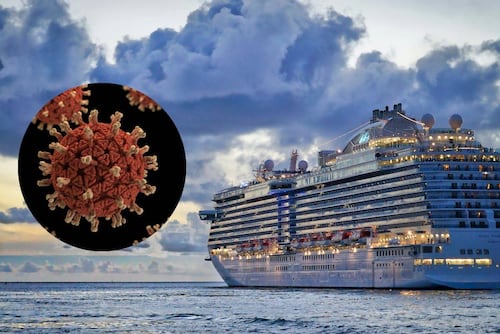
Texas health officials are maintaining a vigilant watch over two state residents who were passengers aboard the MV Hondius cruise ship, a vessel that experienced a hantavirus outbreak during its voyage in the South Atlantic, as reported by El Universal. These individuals disembarked and returned to the United States prior to the identification of the outbreak. While currently asymptomatic, they are actively cooperating with health authorities, undergoing daily temperature checks, and have pledged to report any potential symptoms immediately.
Ambos acordaron vigilar la aparición de síntomas mediante controles diarios de temperatura y contactar a las autoridades de salud pública ante cualquier señal de posible enfermedad
This proactive monitoring is part of a broader national effort, with other individuals also under surveillance in Georgia, Arizona, and California. The Centers for Disease Control and Prevention (CDC) has moved swiftly to coordinate with both domestic and international partners upon notification of the situation. CDC Director Jay Bhattacharya has reassured the public, stating that the risk of hantavirus infection for the general U.S. population is considered 'very low.' He emphasized that the virus is primarily transmitted through close contact with infected rodents and that human-to-human transmission is rare and requires direct contact, noting that it is not spread by individuals who do not exhibit symptoms.
El riesgo para la población estadounidense por este virus es "muy bajo"
The situation involving the MV Hondius highlights the importance of international health cooperation and rapid response protocols. Spain has agreed to receive the vessel in the Canary Islands following a request from the World Health Organization (WHO), facilitating medical evacuations and passenger management. From a U.S. perspective, particularly in border states like Texas, vigilance is a standard practice when potential infectious disease risks emerge from international travel. The emphasis remains on containment through monitoring and clear communication, ensuring public health is protected without causing undue alarm, given the low probability of widespread transmission.
Bhattacharya añadió que el hantavirus "no se transmite por personas sin síntomas" y que el contagio requiere "contacto cercano".
DistantNews Editorial
Originally published by El Universal in Spanish. Translated, summarized, and contextualized by our editorial team with added local perspective. Read our editorial standards.
More Stories


From Our Blog

What Press Freedom Means for the News You Read

What Gets Lost (and Found) When News Is Translated

The Critical Role of Diaspora Media in Global News

What Travellers Should Know About Countries with Restricted Press

A Digital Nomad's Guide to Following Local News
