


The Best Investment in a Child Starts Long Before the First Exam
Translated from Spanish, summarized and contextualized by DistantNews.
At a glance
Opinion
Named sources
Context piece
- True quality education begins in early childhood, focusing on emotional regulation and social skills rather than just academic performance.
- The crucial first years of life involve rapid neural connections, forming the foundation for future learning.
- Investing in early childhood education means recognizing its long-term impact on a child's development and ability to face future challenges.
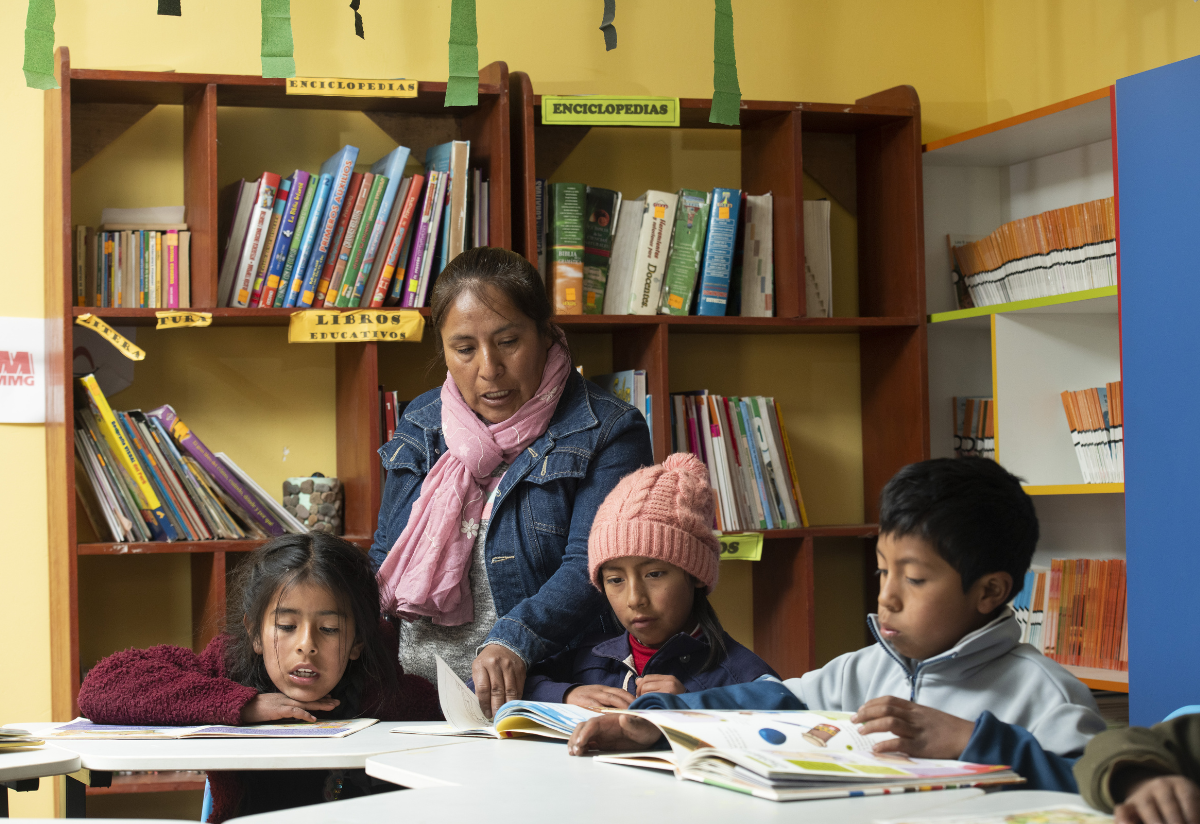
The true measure of quality education begins long before a child's first exam, emphasizing the critical importance of early childhood development. Lady Justo, national coordinator for early education at Innova Schools, argues that focusing solely on reading, writing, math, and test results overlooks the foundational skills developed in the earliest years.
During the first years of life, over a million neural connections form every second, a pace unmatched at any other stage. This period is crucial for developing not only cognitive abilities but also essential social and emotional skills. Children learn to express emotions, regulate frustration, build ideas, communicate, play purposefully, negotiate, and persevere through mistakes. These experiences, often facilitated through play, are fundamental for future learning but are frequently undervalued because they don't fit traditional assessment metrics.
According to UNICEF, during the first years of life more than a million neural connections are formed per second, a rhythm that is not repeated at any other time of life.
"We have become accustomed to valuing what we can easily measure," Justo writes. "But how do we grade a child's ability to recognize their frustration? Where do we record that they learned to wait, to listen to another, or to try again after making a mistake?" This highlights the challenge of quantifying crucial developmental milestones that do not appear on report cards.
Investing in early childhood education requires a comprehensive understanding of its profound impact. It involves adequate resources and quality services, but more importantly, it means recognizing that the opportunities provided in these formative years shape a child's entire trajectory. Insufficient development of these foundational skills can lead to later difficulties with concentration, task completion, and independent learning, underscoring the long-term benefits of prioritizing early education.
We have become accustomed to valuing what we can easily measure. But how do we grade a child's ability to recognize their frustration? Where do we record that they learned to wait, to listen to another, or to try again after making a mistake?
DistantNews Editorial
Originally published by La República in Spanish. Translated, summarized, and contextualized by our editorial team with added local perspective. Read our editorial standards.
More Stories


From Our Blog

What Gets Lost (and Found) When News Is Translated

The Critical Role of Diaspora Media in Global News

What Travellers Should Know About Countries with Restricted Press

A Digital Nomad's Guide to Following Local News

How the Same Story Looks Different in Different Countries
