

Experts Urge Dialogue to Counter Polarization in Peru
Translated from Spanish, summarized and contextualized by DistantNews.
At a glance
News
Named sources
Context piece
- Experts and religious leaders called for renewed dialogue to address political and social polarization in Peru.
- The call came during an international symposium on religious freedom in Lima, which brought together participants from nine countries.
- Specialists warned about the deterioration of public debate, urging respect for differing viewpoints to strengthen democracy.
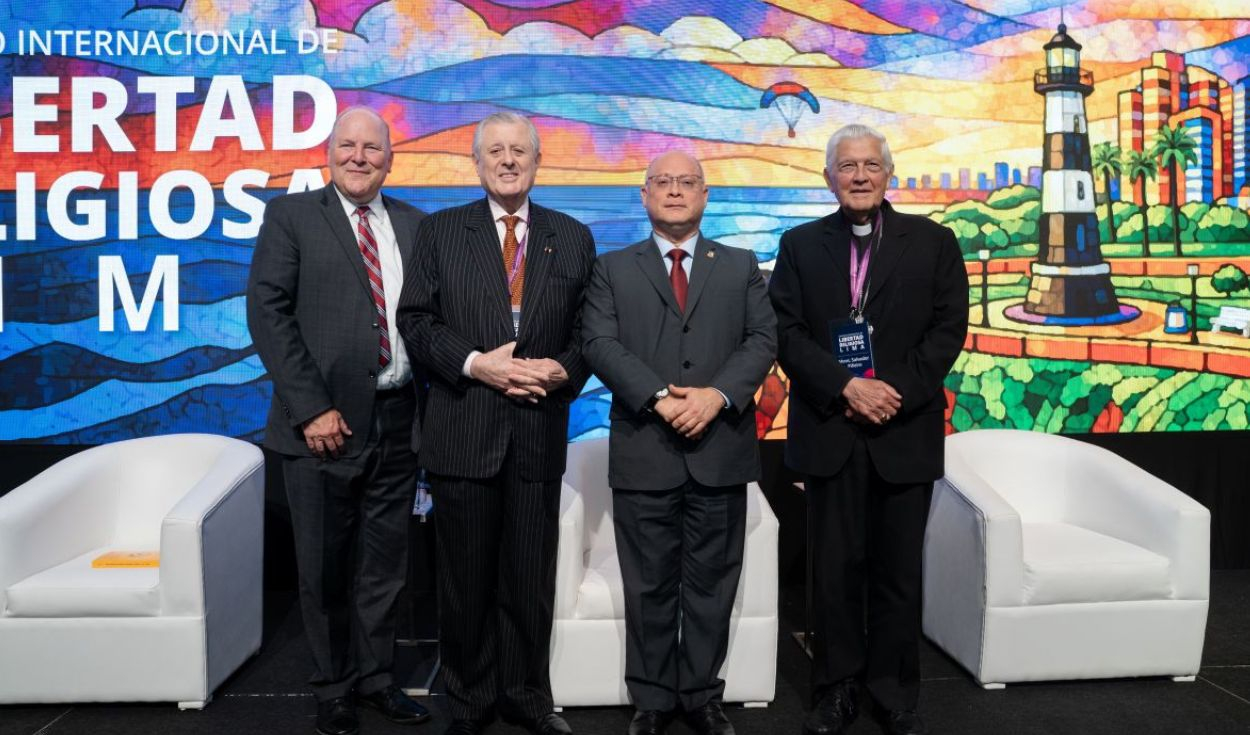
In a climate of intense political and social polarization, experts and representatives from various religious traditions have urged a return to dialogue as a crucial tool for bridging divisions and fostering democratic coexistence. This call to action emerged from the closing of the International Symposium on Religious Freedom, held in Lima.
The symposium gathered magistrates, legislators, officials, academics, and religious leaders from nine countries to examine the challenges facing religious freedom and belief in increasingly fragmented societies. A primary concern voiced during the closing session was how to maintain spaces for coexistence when differing thoughts, beliefs, and political stances escalate into confrontation.
Every day, people seem to believe it is acceptable to condemn and slander those who disagree with them and categorize them as enemies.
Gary B. Doxey, associate director of the International Center for Law and Religion Studies at Brigham Young University, highlighted the decline of public debate and the alarming trend of viewing those with different opinions as adversaries. "Every day, people seem to believe it is acceptable to condemn and slander those who disagree with them and categorize them as enemies," he stated. Doxey emphasized that differences themselves are not inherently a threat to democracy but are part of a pluralistic society, provided they are expressed respectfully.
He proposed that religious freedom can serve as a bridge-building mechanism, fostering peace and healing societal divisions. The discussion extended beyond protecting specific faiths to recognizing the rights of those with diverse beliefs, no religious affiliation, or differing convictions. Participants stressed the need to cultivate a culture of plurality, where understanding and respecting those with different ideas is actively learned and practiced, starting from education.
Religious freedom is a path to build bridges that lead to peace. It can help us heal divisions.
DistantNews Editorial
Originally published by La República in Spanish. Translated, summarized, and contextualized by our editorial team with added local perspective. Read our editorial standards.
More Stories

From Our Blog

What Gets Lost (and Found) When News Is Translated

The Critical Role of Diaspora Media in Global News

What Travellers Should Know About Countries with Restricted Press

A Digital Nomad's Guide to Following Local News

How the Same Story Looks Different in Different Countries
